You’ve mastered the Tunisian simple stitch. You’ve crocheted your first scarf, maybe even a cozy blanket. But now… you’re staring at your hook, wondering: Is this all there is?
If you’ve ever felt that quiet spark of curiosity—What if I could make something truly unique? Something that turns heads?—then you’re ready to go beyond the basics.
Tunisian crochet isn’t just another way to make fabric. It’s a rich, textured, almost painterly craft that blends the best of knitting and crochet. Its dense, velvety fabric feels luxurious. Its vertical ridges create natural lines of design. And unlike regular crochet, it’s built row by row with stitches held on the hook like a knitting needle—giving you incredible control over tension, texture, and dimension.
But most tutorials stop at the simple stitch. They don’t show you how to unlock its hidden potential.
In this guide, we’re going beyond the beginner patterns. You’ll learn how to elevate your Tunisian crochet from “nice project” to “showstopper.” We’ll explore advanced stitch combinations, creative colorwork techniques, shaping for garments, and even how to design your own pieces—no pattern required. Whether you’re a seasoned crocheter feeling stuck or someone who just fell in love with Tunisian crochet last week, these tips will open doors you didn’t even know existed.
Let’s turn your hook into a brush—and your yarn into paint.
Unlock Texture: Mix Stitches Like a Pro
The magic of Tunisian crochet doesn’t lie in doing one stitch over and over. It lies in combining them.
Think of it like cooking. You can make a delicious meal with just salt and butter—but add a pinch of smoked paprika, a splash of lemon, and a handful of fresh herbs? That’s when the dish becomes unforgettable.
The same applies to Tunisian crochet.
Start by pairing the Tunisian simple stitch (Tss) with the Tunisian knit stitch (Tks). The Tss creates a slightly bumpy, textured surface. The Tks? Smooth, almost like stockinette stitch in knitting. When you alternate them—say, two rows of Tss followed by two rows of Tks—you get a fabric that breathes, ripples, and glows under light.
Try this: Make a small swatch. Row 1: Tss. Row 2: Tks. Row 3: Tss. Row 4: Tks. Now hold it up to the window. Notice how the light catches differently on each row? That’s texture speaking.
Now, go further.
Add the Tunisian purl stitch (Tps). It’s the cousin of the Tks, but it creates a subtle ridge on the front side—perfect for mimicking cable patterns without the complexity of crossing stitches. Use it in a stripe: three rows of Tss, one row of Tps, repeat. You’ll get a fabric that looks hand-knit, but you only used one hook.
Pro Tip: Always count your stitches when switching between stitches. Tks and Tps are taller than Tss. If you don’t adjust, your edges will curl. Keep a small notebook—jot down your stitch counts and row patterns. You’ll thank yourself later.
And here’s the best part: texture is your secret weapon for hiding mistakes. A dropped stitch? No problem. If it’s surrounded by a pattern of ridges and smooth panels, the eye just glides right over it.
You’re not just making a blanket. You’re creating a tactile experience.
Colorwork Without Cutting Yarn: The Magic of Tapestry Tunisian
Let’s talk color.
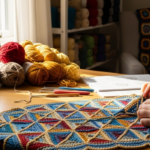
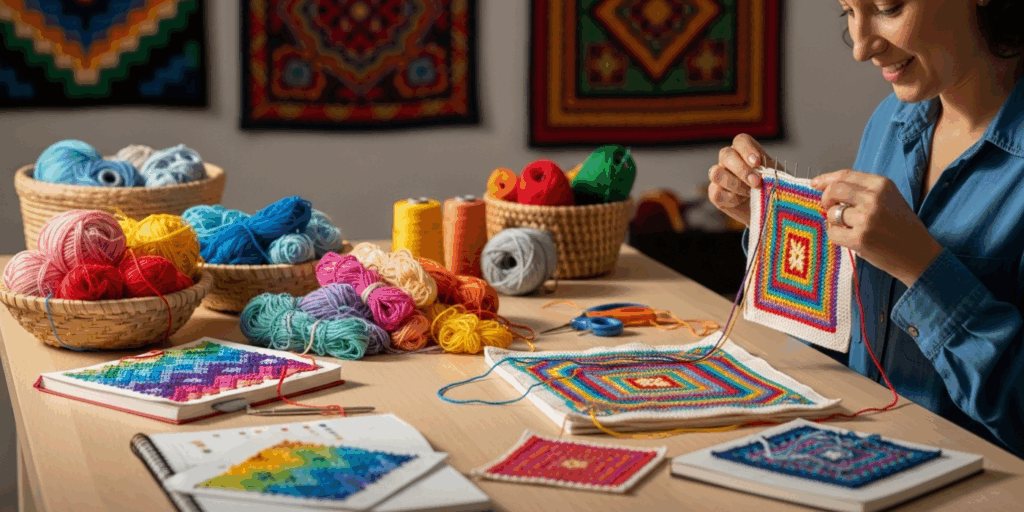
Most crocheters think colorwork means cutting yarn every few stitches, weaving in 50 ends, and praying you don’t tangle yourself into a knot. But Tunisian crochet? It’s the perfect canvas for tapestry crochet—and you don’t have to cut your yarn at all.
Imagine this: You’re making a blanket with a geometric pattern—maybe diamonds, or a modern chevron. Instead of switching yarns every row, you carry the unused color along the back of your work, just like in tapestry knitting.
Here’s how:
- Work your row in your main color.
- When you need a new color, drop the old yarn and pick up the new one.
- As you pull the new yarn through each stitch, catch the old yarn behind the stitches—like a little loop of thread you’re tucking in.
- Continue. The unused color floats invisibly on the wrong side.
Why this matters: No ends to weave in. No weak spots from cutting. Just one continuous, seamless design.
I once made a baby blanket with 6 colors in a rainbow gradient. I didn’t cut a single strand. When I finished, the back looked like a tangled mess of colorful threads—but the front? A smooth, vibrant mural. The baby’s mom cried when she saw it. Not because it was perfect—but because it looked hand-painted.
Bonus trick: Use a smaller hook for colorwork. It helps keep your tension tight and prevents the float from showing through. A 5mm hook for worsted weight? Perfect.
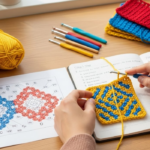
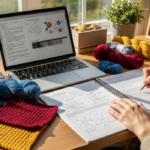
And here’s the game-changer: You can create your own designs. Graph paper. A coloring app. Even a pixelated photo. Turn it into a grid, then map each square to a stitch. Your favorite pet? Your dog’s face in Tunisian tapestry? Yes, you can. And no one will believe you didn’t hire an artist.
Color isn’t just about beauty—it’s about storytelling. And Tunisian crochet? It’s your pen.
Shape Like a Designer: Crocheting Garments That Fit
Here’s the truth: most Tunisian crochet patterns are for blankets, scarves, and pillows. Why? Because people assume you can’t shape it.
You can.
And you should.
Tunisian crochet fabric has a beautiful drape—especially when you use a larger hook and a softer yarn like cotton or bamboo. That means it’s perfect for sweaters, cardigans, and even fitted tops.
But shaping? That’s where most tutorials fail.
The secret? Increase and decrease stitches strategically—not just at the edges.
Instead of just adding stitches at the beginning and end of rows (which creates bulky, uneven corners), try invisible increases:
- Front Post Tunisian Simple Stitch (FPTss): Pull the stitch up from the front of the stitch below. This creates a raised bump—perfect for shaping bust lines or waist darts.
- Tunisian Purl Decrease (Tps2tog): Work two purl stitches together as one. It creates a subtle inward curve.
I made my first Tunisian cardigan using these techniques. I started at the bottom with a wide rectangle. Every 5 rows, I added a FPTss on each side—just two stitches—creating a gentle flare. Then, at the underarms, I decreased every 3 rows with a Tps2tog. The result? A garment that hugged my curves without being tight. It looked like it came from a boutique. And I’d never sewn a seam.
Try this: Make a simple tube scarf first. Then, halfway through, start decreasing one stitch every other row on each side. When you finish, fold it in half and sew the ends. Voilà—a cowl that fits like a glove.
And don’t forget blocking. Tunisian fabric loves a good steam. Pin your garment to a towel, mist it lightly with water, and let it dry flat. It will relax into the perfect shape.
You’re not just crocheting. You’re tailoring.
Design Your Own Patterns: From Idea to Finished Piece
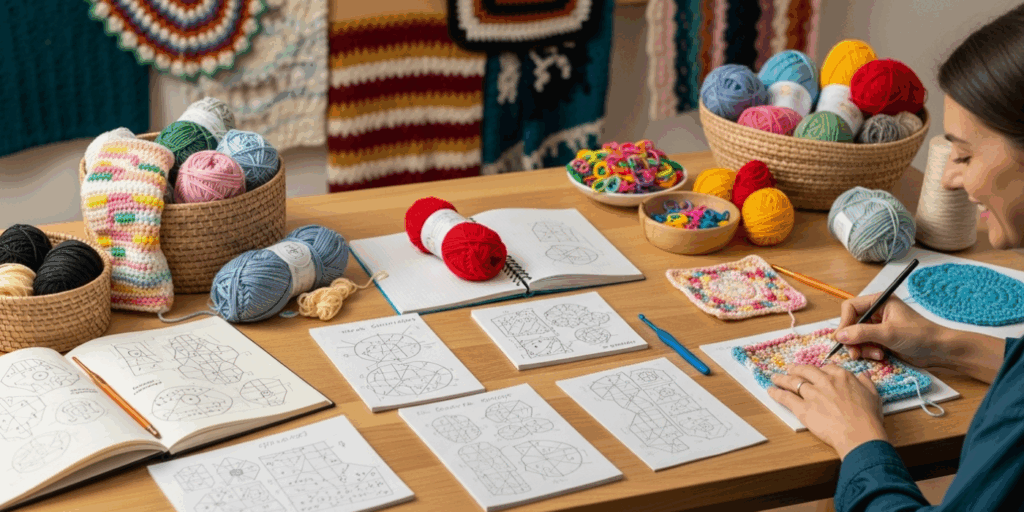
Here’s the most powerful tip of all: You don’t need a pattern to create something beautiful.
Most crocheters wait for instructions. But Tunisian crochet is so forgiving, so flexible, that you can invent your own designs.
Start small.
Pick a shape: a square, a circle, a hexagon.
Pick a stitch: Tss, Tks, Tps—your choice.
Pick a color: one, two, five.
Now, ask yourself: What do I want this to feel like?
- Cozy? Use Tss with bulky yarn.
- Light and airy? Use Tks with lace-weight cotton.
- Dramatic? Try alternating Tss and Tps every row with a metallic thread.
Then, just start.
Make a 10-row swatch. Don’t overthink it. Observe. Does it curl? Too tight? Add a chain edge. Does it look flat? Try a border of Tps to give it lift.
I once designed a shawl just by doodling on napkins during coffee breaks. I wanted something that looked like wind ruffling through leaves. So I used Tks for the base, then added single Tps stitches every 4th stitch, spaced further apart as I went down. When I blocked it? It flared like a feather. A friend asked where I bought it. I told her I made it while waiting for my latte.
Your turn.
Grab a notebook. Sketch a shape. Write down: “I want this to feel like…” — summer rain? A mountain ridge? Your grandmother’s quilt?
Then, crochet it.
No pattern. No fear.
Because Tunisian crochet doesn’t follow rules—it creates them.
The Quiet Power of Tunisian Crochet
There’s something deeply personal about Tunisian crochet.
It’s slow. It’s meditative. You hold multiple loops on your hook—like holding your breath—until you release them in one smooth motion. It’s not just craft. It’s mindfulness.
And when you go beyond the basics, you’re not just making things. You’re expressing yourself.
You’re saying: I see beauty in texture. I value patience. I trust my hands to create something that no machine ever could.
The world is full of mass-produced goods. But your Tunisian blanket? Your colorwork shawl? Your fitted cardigan? Those are soul-made. They carry your rhythm, your pauses, your mistakes turned into art.
And that’s why this matters.
You don’t need to be a professional. You don’t need to sell your pieces. You just need to keep going.
Try one new stitch this week. Experiment with one color combo. Shape one garment. Don’t wait for “perfect.” Just start.
Because the most beautiful things aren’t made by following instructions.
They’re made by daring to break them.
Your Next Step: Make It Yours
So here’s what I want you to do.
This week, choose one thing from this article and try it.
- Mix two Tunisian stitches in a swatch.
- Try tapestry colorwork with just two yarns.
- Start shaping a simple square into a triangle.
- Sketch a design on paper—and crochet it without a pattern.
Then, take a photo. Share it. Post it on Instagram. Send it to a friend. Or just keep it in your journal.
Because your hands are capable of creating magic.
And you don’t need permission.
You just need to pick up your hook.
I’d love to hear what you make. What’s the first design you’re going to try? Drop a comment below—I read every one.
And if this article helped you see Tunisian crochet in a new light? Share it with someone else who’s ready to go beyond the basics.
Your next masterpiece? It’s not on a pattern page.
It’s waiting… in your hands.
Luiza Santos is a passionate crochet and knitting enthusiast who finds joy in transforming simple yarn into meaningful, handmade creations. With a deep love for texture, color, and craftsmanship, she believes every stitch carries a story. Luiza brings warmth, creativity, and years of hands-on experience to everything she makes, inspiring others to discover the beauty of fiber arts.