Imagine wrapping yourself in a cloud woven by hand—soft, warm, and uniquely yours. No mass-produced factory seam in sight. Just loops of yarn, patience, and a little bit of magic turned into something you can wear, share, and treasure. That’s the quiet revolution happening in wardrobes across America: the return of handmade crochet wearables. Not as a nostalgic throwback, but as a bold, stylish, and deeply personal statement in a world of fast fashion.
In this article, we’re diving into why crochet scarves, shawls, and sweaters aren’t just trending—they’re transforming how we think about clothing. From the rise of slow fashion to the mental health benefits of crafting, from Instagram-worthy designs to budget-friendly DIY projects, crochet is no longer just for grandmas’ attics. It’s on runways, in coffee shops, and in the hands of millennials and Gen Zers who want their clothes to tell a story.
Whether you’re a seasoned crocheter looking for fresh inspiration or someone who’s never held a hook before, this guide will show you why these cozy creations are more than just accessories—they’re wearable art with soul. We’ll explore the top styles making waves, how to choose the perfect piece for your lifestyle, where to find (or make) them affordably, and even how crocheting itself can calm your mind. By the end, you might just pick up a hook—and discover that the coziest thing in your closet isn’t bought… it’s made.
Why Crochet Is the New Slow Fashion Hero
Let’s be real: fast fashion is exhausting. We’ve all bought a sweater that pilled after two washes, or a scarf that lost its shape by January. The environmental toll is staggering—the fashion industry produces 10% of global carbon emissions and over 92 million tons of textile waste every year. Meanwhile, consumers are waking up. A 2023 McKinsey report found that 67% of U.S. shoppers now prioritize sustainability, and 58% are willing to pay more for ethically made items.
Enter crochet.
Handmade crochet wearables are the ultimate anti-fast-fashion statement. Each piece is crafted slowly, with intention. You’re not buying a garment made in a sweatshop—you’re investing in time, skill, and care. And because it’s made-to-order or homemade, there’s zero overproduction. No dead stock. No landfill.
Plus, crochet is endlessly customizable. Want a scarf that matches your favorite blue coat? Pick the yarn. Want a shawl with fringe that sways just right when you walk? Choose the stitch pattern. Want a sweater with pockets shaped like hearts? Go for it.
And here’s the kicker: crochet items last. A well-made crochet sweater, if cared for, can easily last a decade—or be passed down to your niece. That’s the opposite of disposable. It’s heirloom.
Real-life example: Sarah, a 29-year-old teacher from Portland, started crocheting her own scarves after her favorite vintage one wore out. She used leftover yarn from her grandmother’s stash, picked a simple double crochet pattern, and finished her first scarf in a weekend. Now she gifts them to friends—and has turned her hobby into a small Etsy shop. “People don’t just buy a scarf,” she says. “They buy the story behind it.”
That’s the power of handmade.
The Top 3 Crochet Styles Taking Over 2025 (And How to Wear Them)
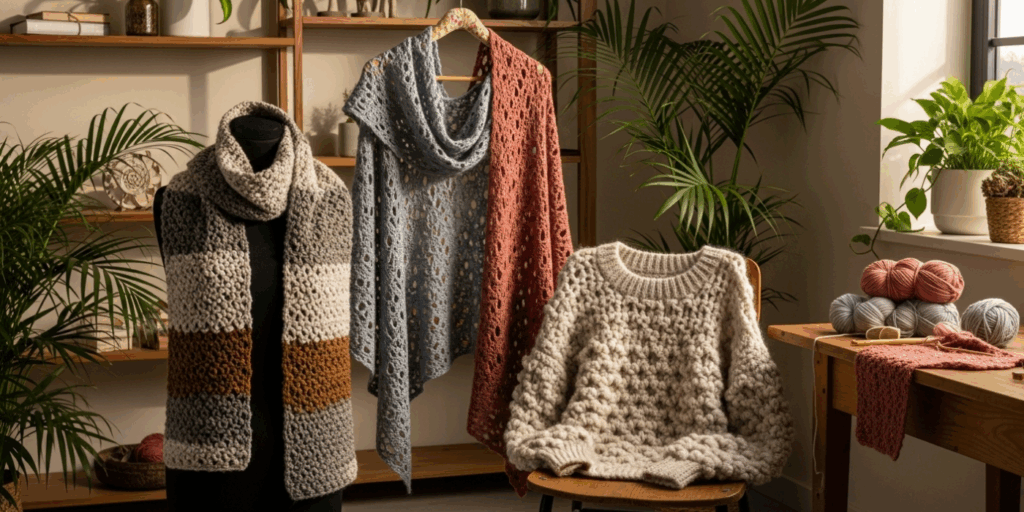
If you’ve scrolled through Pinterest or TikTok lately, you’ve probably seen them: oversized crochet shawls draped over shoulder bags, cropped sweaters paired with high-waisted jeans, and asymmetrical scarves that look like they were painted with yarn.
Here are the three styles dominating 2025—and how to make them work for you.
1. The Oversized Boho Shawl
Think of it as a blanket that doubles as a statement piece. These shawls are often made with chunky yarn, openwork stitches (like pineapple or lace mesh), and long, flowing fringe. They’re perfect for layering over a simple turtleneck or a little black dress. Pro tip: Choose neutral tones like oatmeal, sage, or dusty rose for maximum versatility. If you’re bold, try a gradient ombre yarn—it looks like a sunset wrapped around your shoulders.
2. The Cropped Cottagecore Sweater
No, this isn’t your grandma’s bulky cardigan. Modern cropped crochet sweaters are fitted, airy, and often feature delicate floral motifs or geometric lace panels. They’re ideal for spring and fall, worn over a camisole or under a blazer. Bonus: They flatter most body types by defining the waist without squeezing. Look for patterns labeled “semi-fitted” or “crop with bell sleeves.”
3. The Infinity Scarf with Texture
Gone are the days of plain, looped scarves. Today’s infinity scarves use a mix of stitches—front post double crochet, bobble clusters, ribbing—to create visual interest and extra warmth. Wear one doubled for winter, or loosely draped for a casual weekend look. Pair it with a leather jacket for contrast, or a flowy maxi dress for boho vibes.
Pro styling hack: Don’t be afraid to mix textures. A chunky crochet sweater looks stunning with sleek leather pants. A lacy shawl softens a structured blazer. Crochet is the ultimate texture mixer.
How to Start Your Crochet Wardrobe (Even If You’ve Never Held a Hook)
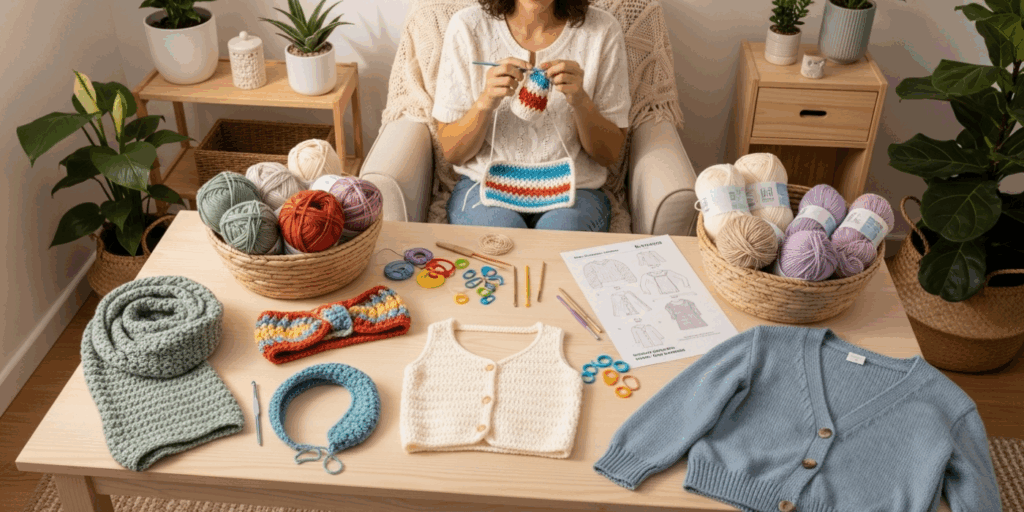
Maybe you’re thinking, “This sounds amazing… but I can’t even tie my shoes with yarn.” Totally okay. Crochet is one of the most accessible crafts out there—and you don’t need a degree to start.
Here’s your beginner-friendly roadmap:
Step 1: Grab the Basics
You only need two things: a crochet hook (size I/5.5mm is perfect for beginners) and one skein of medium-weight (worsted) acrylic or cotton yarn. Avoid super bulky yarn at first—it’s harder to control. Look for brands like Lion Brand Vanna’s Choice or Red Heart Super Saver—they’re affordable and come in endless colors.
Step 2: Learn Two Stitches
Master the chain stitch (ch) and the single crochet (sc). That’s it. With just those, you can make a simple scarf in under 3 hours. YouTube tutorials from channels like Bella Coco or * crochet with me* are gold. Watch one video. Pause. Try. Repeat.
Step 3: Start Small
Make a 5-inch square. Then another. Then sew them together into a coaster, a pot holder, or a tiny blanket for your cat. Small wins build confidence.
Step 4: Join a Community
Find a local yarn store that hosts “Crochet & Coffee” nights. Or join Facebook groups like “Crochet Lovers United.” You’ll get pattern suggestions, encouragement, and maybe even free yarn from someone cleaning out their stash.
Real benefit? Studies show that repetitive handcrafts like crocheting reduce cortisol levels (the stress hormone) by up to 40%. It’s meditation with results.
And here’s the best part: you’ll end up with something beautiful. Something you made. Something that keeps you warm.
The Secret Ingredient: Yarn That Speaks to You
Not all yarn is created equal—and choosing the right one can make or break your project.
Here’s what to look for:
- For beginners: Acrylic or cotton blends. They’re forgiving, machine-washable, and budget-friendly ($5–$8 per skein).
- For luxury feel: Merino wool or alpaca. Softer, warmer, and naturally breathable—but pricier ($15–$30). Perfect for shawls you’ll wear for years.
- For eco-warriors: Organic cotton, bamboo, or recycled polyester yarns. Brands like Lion Brand Re-Spun or Tunisian Crochet Yarn Co. offer sustainable options without sacrificing softness.
- Avoid: Super thin “sock yarn” or super fluffy “bouclé” if you’re new. They’re tricky to handle and can be frustrating.
Pro tip: Always buy an extra skein—even if you think you’ve calculated perfectly. Running out mid-project is the worst. Plus, extra yarn means you can make matching mittens later.
And here’s a fun twist: try gradient yarn. It changes color slowly as you crochet, so your scarf or shawl looks like it was dipped in watercolor. No need to change colors yourself. Magic.
Crochet as Self-Care: Why Making Things Heals
Let’s talk about something we don’t say enough: crafting is therapy.
In a world of endless notifications, scrolling, and screen fatigue, crochet gives your hands something real to do. It’s tactile. It’s rhythmic. It forces you to be present.
A 2021 study from the University of Wollongong in Australia found that people who engaged in needlework (including crochet) reported significantly lower levels of anxiety and higher levels of happiness. Why? Because you’re focused on counting stitches, not checking emails. You’re creating something beautiful out of nothing. And that’s empowering.
For many, crochet became a lifeline during the pandemic. One woman in Ohio shared how she crocheted 37 scarves while caring for her sick mother. “It kept me sane,” she said. “Every loop felt like a breath.”
You don’t have to be crafting for trauma to benefit. Even 20 minutes a day—while listening to a podcast or watching your favorite show—can reset your nervous system.
And here’s the beautiful ripple effect: when you make something for someone else, you’re giving more than warmth. You’re giving time. Attention. Love.
A handmade scarf isn’t just fabric. It’s a hug you can wear.
Where to Find (or Sell) Trendy Crochet Wearables
Not ready to make your own? No problem. The handmade market is booming.
Top places to buy:
- Etsy (search “handmade crochet shawl 2025” — you’ll find thousands of unique pieces, many under $60)
- Local craft fairs (support small artists—often you can meet the maker and ask for custom colors!)
- Instagram shops (@crochetwithjess, @thelittleyarnshop) — many creators post weekly drops with limited runs
Want to sell your own?
Start small. Make three scarves. Photograph them in natural light (near a window works wonders). Write a simple caption: “Handmade with love. One-of-a-kind. Ships in 3 days.” List them on Etsy for $35–$55. Most beginners make back their yarn costs in their first week.
Pro tip: Use keywords like “boho crochet,” “handmade winter scarf,” or “eco-friendly crochet shawl.” These get searched a lot.
And if you’re feeling ambitious? Host a “Crochet Swap” with friends. Bring one item you made, trade for another. You’ll leave with three new pieces—and new friends who speak your language.
Final Thought: Your Hands Are More Powerful Than You Think
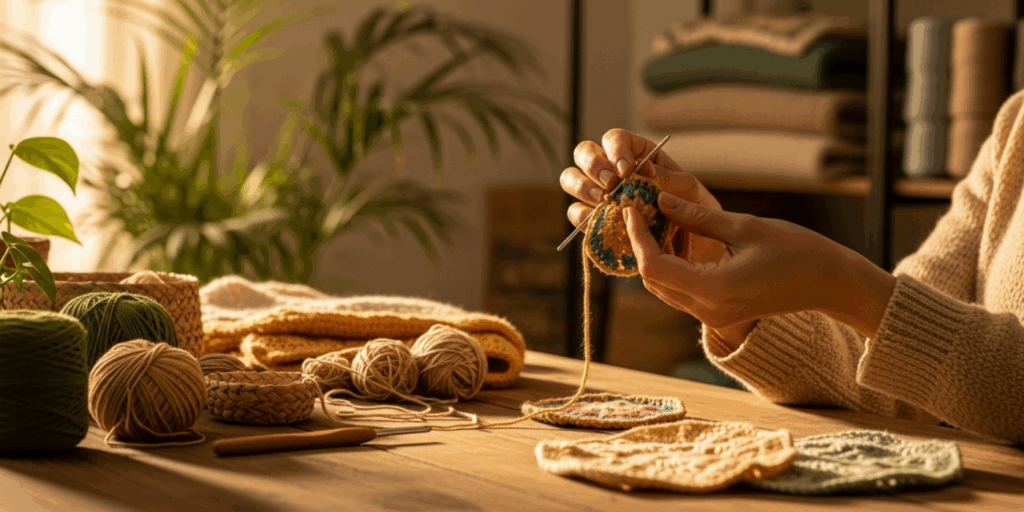
We live in a world that tells us to buy, consume, upgrade, repeat.
But somewhere between the click of a mouse and the rush of delivery, we’ve lost touch with the quiet power of making.
Crochet wearables remind us that beauty doesn’t have to be fast. Warmth doesn’t have to be mass-produced. Style doesn’t have to cost a fortune.
When you slip on a scarf you crocheted—or one made by someone who poured hours into it—you’re wearing more than yarn. You’re wearing intention. You’re wearing resilience. You’re wearing a little piece of slow, sacred, human magic.
So maybe this weekend, you’ll pull out that dusty hook from your drawer. Maybe you’ll buy a skein of soft, creamy yarn. Maybe you’ll start with just ten stitches.
That’s all it takes.
One loop. One row. One breath.
And then another.
Because the coziest things in life aren’t bought.
They’re made.
What’s Your Crochet Story?
Have you ever made—or been gifted—a handmade crochet piece that changed your day? Maybe it was a shawl from your mom, a scarf from a friend, or the first thing you ever crocheted yourself?
I’d love to hear it. Drop a comment below with your story—or a photo of your favorite crochet wearable. Let’s build a little community of makers, wearers, and warm-hearted souls.
And if this article inspired you to pick up a hook… go ahead. You’ve got this.
Your next favorite sweater? It’s waiting in your hands.
Luiza Santos is a passionate crochet and knitting enthusiast who finds joy in transforming simple yarn into meaningful, handmade creations. With a deep love for texture, color, and craftsmanship, she believes every stitch carries a story. Luiza brings warmth, creativity, and years of hands-on experience to everything she makes, inspiring others to discover the beauty of fiber arts.