Imagine this: You’ve spent hours sketching your dream blanket, picking out the perfect color palette, and even humming along to your favorite playlist as you started your first stitch. Then—snap—your yarn breaks. Not because you pulled too hard, but because it’s cheap, scratchy, and completely unsuited for the project. Frustrating, right?
You’re not alone. Every crocheter—from beginners just learning the chain stitch to seasoned artisans crafting heirloom sweaters—has faced this moment. The truth? The yarn you choose doesn’t just affect how your project looks—it determines how much joy (or stress) you’ll feel while making it.
Choosing the right yarn isn’t about following trends or picking the shiniest ball on the shelf. It’s about understanding why certain fibers behave the way they do, how weight and texture impact your final piece, and what your project really needs to thrive. Whether you’re making a baby onesie, a chunky winter scarf, or a delicate lace shawl, the yarn is your silent partner in creation.
In this guide, we’ll walk you through the four most important factors to consider when selecting yarn for any crochet project: fiber content, yarn weight, texture and drape, and purpose-driven choices. You’ll learn how to match yarn to your project like a pro—no guesswork, no wasted money, no itchy sweaters. Plus, we’ll share real-life examples, simple hacks, and a few “aha!” moments that will change the way you shop for yarn forever.
Let’s unravel the mystery—and make every stitch count.
1. Fiber Content: It’s More Than Just “Wool” or “Acrylic”
When you first start crocheting, you might think all yarn is created equal. But here’s the secret: the fiber your yarn is made from affects everything—softness, warmth, durability, care, and even how it feels against your skin.
Let’s break down the most common types:
- Natural Fibers (like wool, cotton, silk, alpaca, and bamboo) are breathable, biodegradable, and often have beautiful drape. Wool, for example, is elastic and warm—perfect for winter hats and sweaters. But it can shrink or felt if washed in hot water. Cotton, on the other hand, is cool and absorbent, making it ideal for dishcloths, baby items, or summer tops. But it doesn’t stretch much, so it can be unforgiving for garments that need give.
- Synthetic Fibers (like acrylic, nylon, and polyester) are affordable, machine-washable, and come in endless colors. Acrylic is the go-to for beginners because it’s soft, durable, and forgiving. But some lower-quality acrylics can pill, feel plasticky, or trap heat—great for a quick blanket, not so great for something you’ll wear all day.
- Blends are where magic happens. A wool-acrylic blend gives you warmth and easy care. A cotton-nylon mix adds strength to socks. A bamboo-alpaca blend? Silky soft with a luxurious drape—perfect for shawls.
Here’s a real example: Sarah, a mom of two, once made a baby blanket using 100% acrylic because it was on sale. It looked fine… until her toddler started drooling on it. The blanket held moisture, smelled weird after washing, and felt stiff. She switched to a 70% cotton/30% bamboo blend next time—and now it’s her most-used blanket. Soft, washable, and breathable. That’s the power of choosing wisely.
Pro Tip: Always check the label. Look for fiber percentages. If you’re making something for sensitive skin (babies, elderly, or allergy-prone people), lean toward natural fibers like organic cotton, bamboo, or merino wool. For high-use items like rugs or bags, choose blends with nylon or polyester for extra strength.
2. Yarn Weight: The Secret to Perfect Gauge and Drape
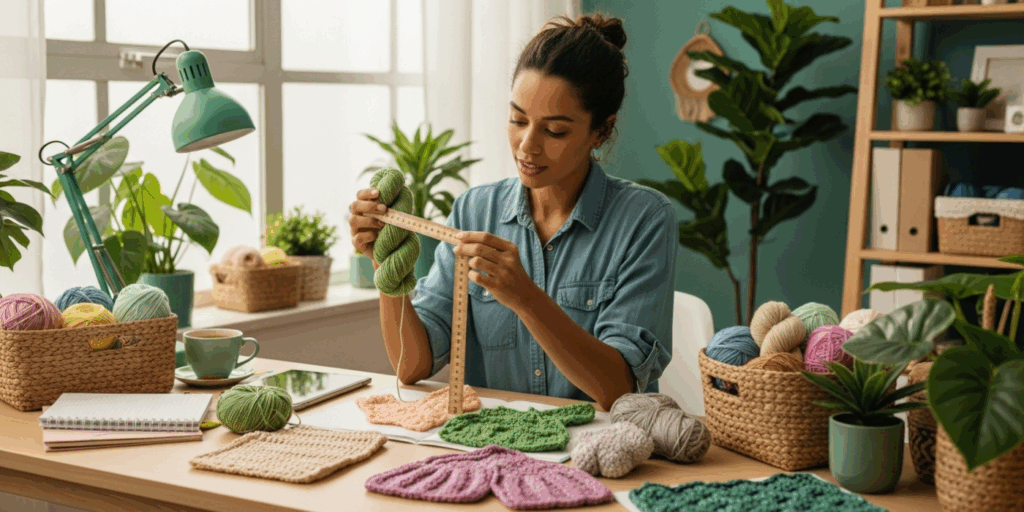
Think of yarn weight like shoe sizes—not all “medium” is the same. Yarn comes in seven standard weights, from super fine to super bulky. Using the wrong weight can turn your cozy sweater into a stiff cardboard box—or your delicate lace doily into a heavy curtain.
Here’s the quick guide:
- Lace (0) – Thread-thin. Perfect for doilies, shawls, or lace trim.
- Super Fine (1) – Sock yarn. Great for lightweight garments.
- Fine (2) – Sport or baby yarn. Ideal for light sweaters or baby blankets.
- Light (3) – DK or light worsted. The most versatile for garments.
- Medium (4) – Worsted or afghan yarn. The most popular choice for blankets, scarves, and sweaters.
- Bulky (5) – Thick, cozy. Perfect for quick projects like chunky hats or arm-knitted blankets.
- Super Bulky (6) – Like a rope. Crochets up in minutes—great for rugs or statement pieces.
Why does this matter? Your pattern is written for a specific weight. If you use a heavier yarn than recommended, your project will be smaller, stiffer, and use more yarn than expected. Too thin? Your project might be see-through or take forever.
Let’s say you want to make a granny square blanket. The pattern calls for medium weight (worsted) yarn. You grab a bulky one because “it’ll be faster.” Result? Your squares are too big, your border won’t fit, and you’ve used 30% more yarn than planned. Oops.
Pro Tip: Always check the recommended hook size on the yarn label. If your hook is too small for the yarn, your stitches will be tight and stiff. Too big? Your fabric becomes loose and holesy. When in doubt, make a swatch! Crochet a 4×4 inch square, then measure your stitches. It takes 10 minutes—and saves you hours of re-doing work.
And here’s a game-changer: yarn weight affects how fast you finish. A bulky yarn can turn a blanket into a weekend project. A lace-weight project? That’s a 3-month journey. Choose based on your patience, timeline, and goals.
3. Texture and Drape: How Your Yarn “Feels” Matters as Much as How It Looks
Two yarns can be the same weight and fiber—but feel completely different. Why? Texture and drape.
- Smooth yarns (like cotton or mercerized cotton) create crisp, clean stitches. Perfect for intricate patterns like filet crochet or Tunisian lace.
- Textured yarns (like bouclé, chenille, or eyelash yarn) add dimension and coziness—but they hide your stitches. Great for scarves or decorative pillows, terrible for detailed patterns.
- Drape is how the fabric flows. A yarn with high drape (like silk or bamboo) hangs softly, like a waterfall. Low drape (like acrylic or wool blends) stands up stiffly, like a structured jacket.
I once made a shawl using a fluffy, textured acrylic yarn because it looked “so cozy.” When I wore it, it felt like a cloud… but it didn’t drape. It stuck out like a puffy cloud on my shoulders. My friend, who made the same shawl in bamboo silk, looked like she stepped out of a fashion magazine. Same pattern. Same color. Totally different vibes.
Here’s how to test drape before you buy:
- Hold the skein up. Does it hang softly, or does it stand rigidly?
- Gently pull a few inches. Does it stretch slightly and bounce back? That’s good elasticity.
- Rub it between your fingers. Does it feel scratchy, or does it glide?
Bonus hack: If you love the look of a textured yarn but want better stitch definition, try holding two strands of a smooth yarn together. You get the thickness of a bulky yarn with the clarity of a fine one.
And don’t forget: texture affects washing. Chenille and bouclé can shed or mat over time. If you’re making something for a toddler or pet, go for smooth, durable fibers. Save the fluffy stuff for decorative throws you don’t need to wash often.
4. Purpose-Driven Choices: Match the Yarn to the Project (Not Just Your Mood)
This is where most crocheters go wrong. They pick yarn based on color or price—then wonder why their project doesn’t work.
Let’s match yarn to purpose:
🧶 Baby Items
→ Need: Soft, hypoallergenic, machine-washable
→ Best choices: Organic cotton, bamboo blends, superwash merino wool
→ Avoid: Coarse wool, synthetic blends that pill easily
👒 Winter Hats & Scarves
→ Need: Warmth, elasticity, durability
→ Best choices: Wool, alpaca, or wool-acrylic blends
→ Avoid: 100% cotton (it doesn’t insulate well when wet)
🛏️ Blankets & Afghans
→ Need: Softness, warmth, easy care, colorfastness
→ Best choices: Acrylic blends (for affordability), cotton blends (for breathability), or wool (for luxury)
→ Pro tip: For a lightweight summer blanket, try bamboo or linen blends. For winter, go chunky wool or fleece-like acrylic.
🧦 Socks & Gloves
→ Need: Strength, elasticity, moisture-wicking
→ Best choices: Wool-nylon blends (80/20 or 75/25)
→ Avoid: Pure cotton or acrylic—they stretch out and lose shape fast.
🌺 Lace Shawls & Doilies
→ Need: Delicate drape, sheen, fine gauge
→ Best choices: Silk, bamboo, or cotton lace weight
→ Avoid: Bulky or fuzzy yarns—they’ll smother the pattern.
🛍️ Bags, Totes, and Home Decor
→ Need: Sturdiness, structure, washability
→ Best choices: Cotton, hemp, or acrylic with a tight stitch
→ Pro tip: Use a smaller hook and double up strands for extra strength.
Here’s a story: My friend Lisa wanted to make a crochet tote bag using a soft, fluffy yarn she loved. It looked adorable… until she put her laptop inside. The bag sagged, the stitches stretched, and the lining showed through. She learned the hard way: function over fashion. She remade it in a sturdy cotton blend—and now it’s her daily go-to.
Your project’s purpose should guide your yarn choice—not the other way around.
Putting It All Together: Your Simple Yarn Selection Checklist
Before you buy, ask yourself these 4 questions:
- What’s the project for? (Baby gift? Winter wear? Decor?)
- How will it be used and cared for? (Machine wash? Hand wash? Rarely cleaned?)
- What’s the desired feel? (Soft and drapey? Stiff and structured?)
- How fast do I want to finish? (Weekend project? Year-long labor of love?)
Then, match your answers to the yarn profile above.
And here’s one last tip: Buy extra. Always. Yarn dye lots vary—even within the same brand. Running out halfway through a blanket is heartbreaking. Buy 10–20% more than the pattern calls for. It’s insurance for your peace of mind.
Also, don’t be afraid to touch the yarn in-store. Feel it. Drape it. Imagine it against your skin. If it doesn’t feel right, it won’t be right—even if it’s on sale.
Final Thoughts: Yarn Is Your Silent Partner
Choosing the right yarn isn’t about being perfect. It’s about being intentional.
Every stitch you make carries intention—the care you put into selecting the fiber, the weight, the texture. When you match yarn to purpose, your projects don’t just look better… they feel better. To make. To use. To give.
You’re not just crocheting a blanket. You’re weaving comfort.
You’re not just making a scarf. You’re crafting warmth for someone you love.
You’re not just choosing yarn. You’re choosing how your creativity will live in the world.
So next time you’re at the yarn store—or scrolling online—pause. Breathe. Ask yourself: What does this project need? Not what looks pretty. Not what’s cheap. But what will serve the purpose, honor the craft, and bring you joy.
And when you get it right? That first stitch will feel like magic.
What’s the most surprising yarn choice you’ve ever made—and what did you learn from it? Share your story in the comments below! Whether it was a disaster, a triumph, or a happy accident, your experience could help another crocheter avoid a costly mistake (or discover their next favorite fiber).
And if you found this guide helpful, don’t keep it to yourself—share it with a friend who’s still stuck on “any yarn will do.” Let’s make crocheting more joyful, one perfect skein at a time. 🧶💛

Luiza Santos is a passionate crochet and knitting enthusiast who finds joy in transforming simple yarn into meaningful, handmade creations. With a deep love for texture, color, and craftsmanship, she believes every stitch carries a story. Luiza brings warmth, creativity, and years of hands-on experience to everything she makes, inspiring others to discover the beauty of fiber arts.