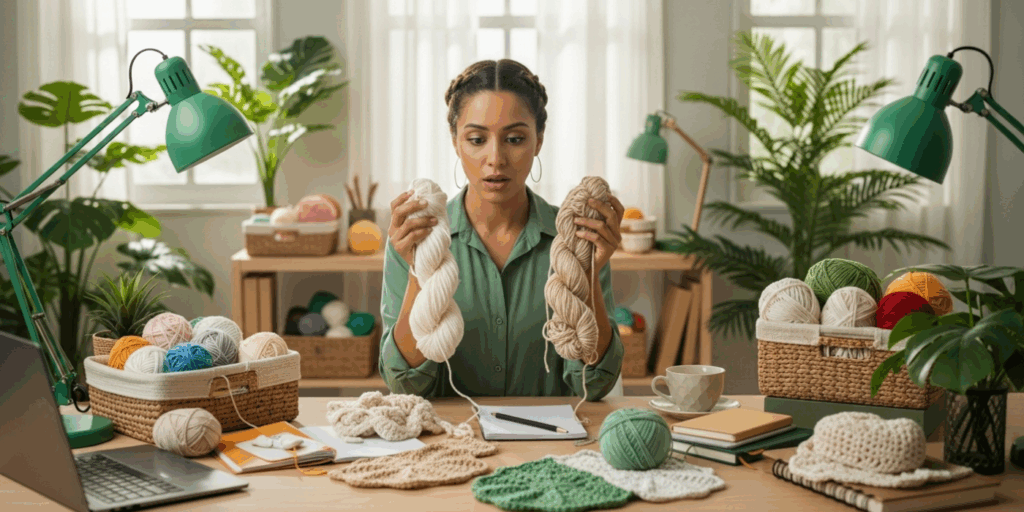
Imagine holding a skein of yarn so soft it feels like cloud fluff against your skin—warm in winter, cool in summer, and breathable enough to make you forget you’re wearing it. Now picture another skein, sleek and shiny, stretching endlessly without a single fray. Both are yarn. Both can be knitted into sweaters, scarves, or socks. But one comes from the earth… and the other? From a lab.
If you’ve ever stood in a craft store, staring at a wall of yarn labels wondering what “merino wool” or “acrylic” really means—or why one costs ten times more than the other—you’re not alone. The world of fiber is deeper than it looks. And whether you’re a seasoned knitter, a beginner crocheter, or just someone who loves cozy textiles, understanding the difference between natural and synthetic yarns isn’t just helpful—it’s transformative.
This guide will walk you through the real-world differences between these two fiber families. We’ll break down how they’re made, how they feel, how they perform, and—most importantly—how they impact your projects, your wallet, and even the planet. No jargon. No fluff. Just clear, practical insights that help you choose the right yarn for your next project… and maybe even change the way you think about the clothes you wear every day.
Let’s unravel the truth behind the fibers.
Where Yarn Comes From: Nature’s Gift vs. Human Ingenuity
Natural yarns are born from the earth. Wool from sheep, cotton from fluffy bolls, silk from silkworm cocoons, alpaca from gentle Andean grazers—these are materials harvested, cleaned, and spun by humans working with nature. They’ve been used for thousands of years, long before factories existed. Think of them as the original “organic” fibers: renewable, biodegradable, and deeply connected to ecosystems.
Synthetic yarns, on the other hand, are made in labs. They start as petroleum-based chemicals—think plastic, essentially—and are chemically processed into long, continuous filaments. Acrylic, polyester, nylon, and polyamide are all synthetic. They were invented in the 20th century to mimic natural fibers at lower cost and with more consistency.
Here’s the kicker: natural fibers breathe. Synthetic fibers trap.
Try this: Hold a cotton T-shirt against your skin on a hot day. You’ll feel the moisture wick away. Now do the same with a polyester hoodie. Chances are, you’ll feel sticky. That’s because natural fibers have microscopic pores that allow air and sweat to move through. Synthetics? They’re more like plastic wrap for your body.
That’s why natural fibers are still the gold standard for garments you wear close to your skin—socks, undershirts, baby blankets. They’re gentle, temperature-regulating, and often hypoallergenic (especially merino wool, which surprisingly doesn’t itch!).
Synthetics? They shine in durability. If you’ve ever owned a fleece jacket that lasted a decade or a sportswear set that survived 50 washes without pilling, you’ve experienced synthetic magic.
So, which is better? It depends on what you’re making—and why.
The Feel Factor: Softness, Weight, and How Yarn Hugs Your Skin
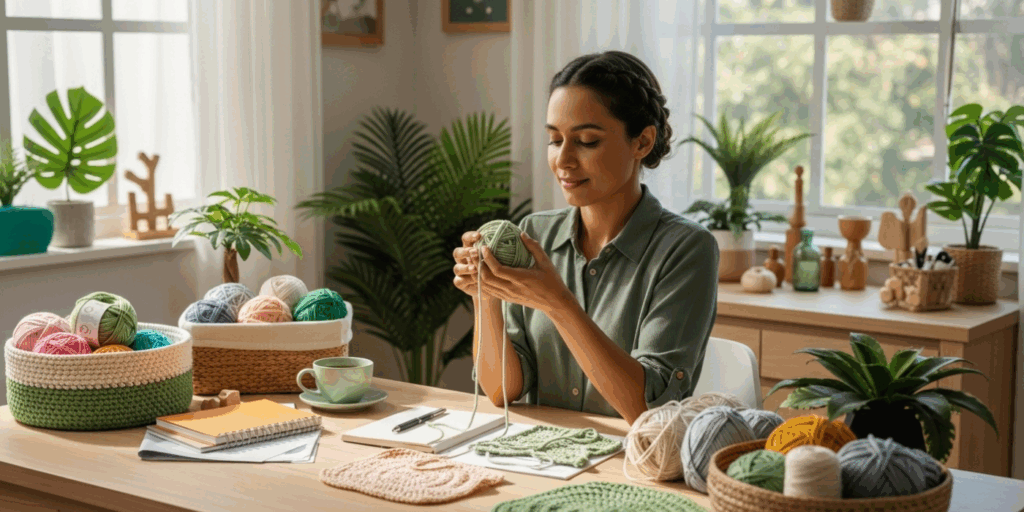
Let’s be honest: we knit and crochet because we love the feel of things. There’s something deeply satisfying about wrapping your fingers around a soft, springy ball of yarn. But not all yarns feel the same.
Natural fibers bring texture and soul. Merino wool? Silky-smooth and lightweight. Alpaca? Like holding a cloud. Cashmere? Luxuriously dense and warm—so soft, it feels like a secret. Cotton? Crisp and cool, perfect for summer shawls. Linen? Slightly rustic, with a beautiful drape that gets softer with every wash.
But here’s the catch: natural fibers can be inconsistent. One batch of wool might be finer than the next. A skein of cotton might have tiny seeds or uneven dye. That’s part of their charm—and their challenge.
Synthetic yarns, by contrast, are engineered for uniformity. Every strand is identical. That’s why they’re popular for mass-produced sweaters and baby blankets—manufacturers love predictability. Acrylic, for example, can be made to mimic wool’s fluffiness… but it lacks that “living” quality. It feels more like plastic yarn than fiber.
And here’s a surprising truth: not all synthetics feel cheap.
High-end synthetic blends—like those used in performance sportswear or luxury faux fur—can be incredibly soft, even luxurious. Some acrylics are now treated with silicone or other finishes to mimic the hand of cashmere. But here’s the catch: they don’t age the same way. Natural fibers soften over time. Synthetics? They tend to pill, flatten, or develop a shiny “wear zone” after a few washes.
Try this experiment: Take an old acrylic sweater and a wool one, both washed the same number of times. The wool will likely look better, feel better, and still hold its shape. The acrylic? It’s probably stretched out, fuzzy, and a little sad.
If you’re making something meant to last—like a heirloom baby blanket or a gift for a loved one—natural fibers often win. But if you’re making a quick, fun project like a colorful blanket for a dorm room? Synthetic might be your best friend.
Performance Under Pressure: Warmth, Durability, and Care
Let’s talk real life. What happens when you actually use your handmade item?
Natural fibers excel in warmth and breathability. Wool, for instance, traps air in its crimped structure, creating natural insulation—even when wet. That’s why wool socks are still the top choice for hikers. Cotton, while breathable, holds moisture, so it’s not ideal for cold weather unless blended.
But natural fibers can be fussy. Wool can shrink if washed in hot water. Silk needs gentle handling. Linen wrinkles like nobody’s business. And don’t even get me started on moth larvae… yes, they love wool.
Synthetics, however, are the ultimate survivors. Acrylic and polyester resist shrinking, fading, and wrinkling. They’re machine-washable (often on hot!), dry fast, and don’t attract bugs. That’s why they dominate the budget-friendly market.
But here’s the trade-off: synthetics don’t breathe. They trap heat and moisture, which can make you sweat, smell, or feel clammy. Ever worn a cheap polyester yoga pant? You know exactly what I mean.
The best of both worlds? Blends.
Many modern yarns combine natural and synthetic fibers to get the perks of both. For example:
- Wool-acrylic blend (70/30): Retains wool’s warmth and elasticity while adding acrylic’s durability and easy care.
- Cotton-polyester blend: Holds shape better than pure cotton, resists wrinkles, and dries faster.
- Alpaca-silk blend: Adds sheen and drape to alpaca’s softness, with a touch of synthetic for strength.
Blends are the smart choice for beginners, busy parents, or anyone who wants quality without the fuss. Look for labels that tell you the exact percentage—this helps you predict how the yarn will behave.
And don’t forget: care matters. A hand-knit wool sweater washed in hot water? Gone. A 100% acrylic scarf tossed in the dryer? Still looks brand new. If you’re choosing based on lifestyle, this is non-negotiable.
Environmental Impact: The Hidden Cost of Your Craft
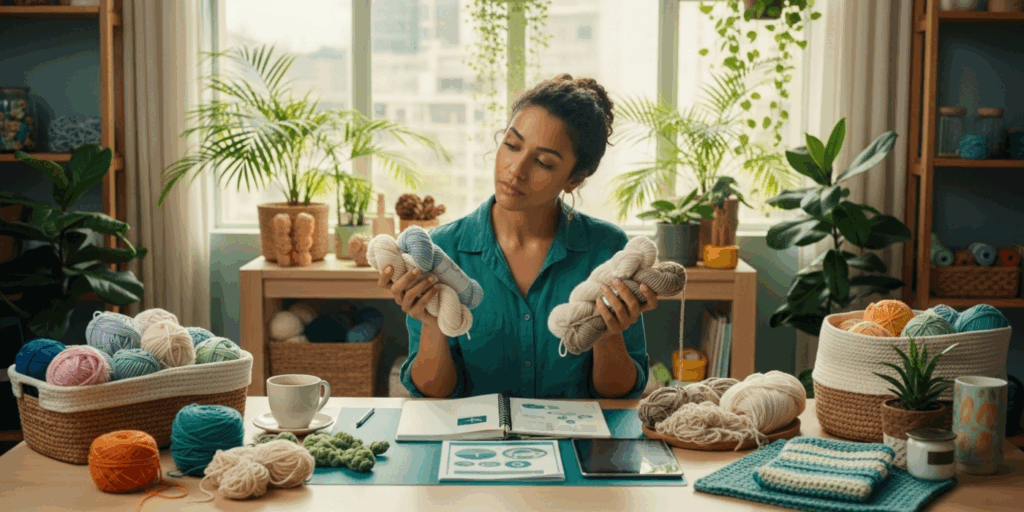
Let’s talk about something we often ignore: the planet.
Natural fibers are biodegradable. A wool sweater left in your backyard? In a few years, it’ll break down into the soil, returning nutrients. Cotton? Same thing. Even silk and linen decompose naturally.
Synthetics? Not so much.
Acrylic, polyester, nylon—they’re all plastics. And when you wash them, tiny fibers shed into your wastewater. These are called microplastics. Studies show that a single load of laundry can release hundreds of thousands of microplastic fibers into rivers and oceans. These particles are now found in fish, drinking water, even human blood.
That’s not a myth. It’s science.
And here’s the twist: synthetic yarns are made from oil. Every skein you buy is tied to fossil fuel extraction, energy-intensive manufacturing, and long-distance shipping.
Natural fibers aren’t perfect, though. Sheep farming uses land and water. Dyeing wool can pollute if not done responsibly. Organic cotton uses less water than conventional—but it’s still resource-heavy.
So what’s the ethical choice?
- Choose natural fibers when possible, especially certified organic or ethically sourced (look for labels like GOTS, Woolmark, or Fair Trade).
- Buy less, choose well. Invest in one beautiful wool blanket instead of five cheap acrylic ones.
- Wash synthetics in a Guppyfriend bag—a special laundry bag that catches microfibers before they escape.
- Donate or repurpose old synthetics instead of tossing them. They won’t decompose, but they can find new life.
Your craft doesn’t have to be perfect to be purposeful. Even small choices—like switching one acrylic project per year to a natural fiber—add up.
Cost, Accessibility, and Your Budget
Let’s get real: yarn isn’t cheap. And the price tag tells a story.
A 100g skein of merino wool? $15–$25.
A 100g skein of acrylic? $3–$6.
That’s a fivefold difference. No wonder acrylic dominates craft stores and discount bins.
But here’s the myth: “Natural = expensive = better.”
Not always.
High-quality acrylic can be perfect for practice projects, kids’ toys, or items that need frequent washing (hello, dog blankets!). And sometimes, a cheap wool blend can feel scratchy or inconsistent.
The trick? Match the fiber to the purpose.
- For gifts or heirlooms: Splurge on natural. Your recipient will feel the difference.
- For practice or learning: Use acrylic. It’s forgiving, affordable, and lets you experiment without guilt.
- For baby items: Opt for organic cotton or merino wool. Babies have sensitive skin.
- For outdoor gear: Choose wool or wool blends. They keep you warm even when wet.
- For summer wear: Cotton, linen, or bamboo are your go-tos.
Pro tip: Look for sales, clearance bins, or fiber co-ops. Many local yarn shops offer discounted “seconds” or overstock—yarn with minor flaws that won’t affect your project. You’d be amazed at the bargains hiding in plain sight.
And don’t forget: yarn lasts longer than you think. A $20 wool sweater you knit yourself can last 20 years. A $5 acrylic one? Maybe two. Which is really cheaper?
The Art of Choosing: Your Personal Fiber Philosophy
So where does that leave you?
There’s no single “best” fiber. There’s only the right fiber—for your project, your values, your lifestyle.
Think of it like food: You wouldn’t eat steak every meal. You wouldn’t live on candy. You choose based on what you need right now.
- Need warmth and comfort? Wool or alpaca.
- Need something easy to care for? Acrylic or cotton blend.
- Want to be kind to the planet? Organic cotton, recycled wool, or TENCEL™ (a plant-based fiber that’s biodegradable and low-impact).
- Just having fun? Go wild with bright acrylics and make something joyful.
The best knitters I know don’t preach. They adapt. They keep a stash of both natural and synthetic yarns. They use synthetics for practice and naturals for love.
And here’s the quiet truth: handmade things carry intention. When you choose a yarn that aligns with your values—whether that’s sustainability, affordability, or pure sensory joy—you’re not just making a scarf. You’re making a statement.
You’re saying: I care about what I create. I care about how it’s made. I care about what happens after it’s done.
That’s powerful.
Final Thoughts: Knit with Purpose
So, natural or synthetic? The answer isn’t either/or. It’s and.
Natural fibers connect us to the earth, to tradition, to the rhythm of seasons and animals. They’re alive in a way synthetics can never be. They breathe. They age with grace. They tell a story.
Synthetic fibers connect us to innovation, accessibility, and practicality. They let us create without limits—bright colors, bold shapes, durable items for busy lives. They’re the unsung heroes of everyday comfort.
The magic happens when you choose consciously.
Next time you pick up a skein, pause. Ask yourself:
Why am I choosing this?
Who will use this?
What will happen to it when I’m done?
You don’t have to be perfect. But you can be intentional.
Try this: Pick one project this month to make with a natural fiber you’ve never used before. Maybe it’s bamboo for a summer top. Or alpaca for a cozy cowl. Notice how it feels in your hands. Notice how it drapes. Notice how it makes you feel.
That’s the real gift of fiber.
And if you’ve ever debated yarn choices—whether you’re a beginner or a pro—I’d love to hear your story. What’s your go-to fiber? What’s one yarn you’ll never buy again? Drop a comment below. Let’s keep this conversation warm, woolly, and wonderfully human.
Because in the end, knitting isn’t just about making things.
It’s about remembering what matters.

Luiza Santos is a passionate crochet and knitting enthusiast who finds joy in transforming simple yarn into meaningful, handmade creations. With a deep love for texture, color, and craftsmanship, she believes every stitch carries a story. Luiza brings warmth, creativity, and years of hands-on experience to everything she makes, inspiring others to discover the beauty of fiber arts.