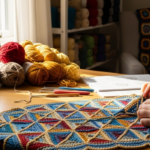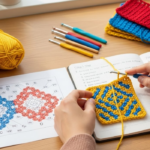
Imagine unwrapping a skein of yarn that looks like a sunset melted into silk—deep purples bleeding into coral, flecks of gold shimmering like morning dew. You run your fingers over it, and it feels alive. Not just soft, but soulful. This isn’t mass-produced fiber from a big-box store. This is hand-dyed yarn—crafted by real people, in small batches, with love, patience, and a whole lot of creativity. And if you’ve ever felt that tug of inspiration while browsing a fiber festival booth or scrolling through Instagram’s #handdyedyarn feed, you’re not alone. You’re part of a quiet revolution in the crafting world—one where artistry trumps automation, and every skein tells a story.
In this article, we’re diving deep into the vibrant, colorful universe of indie yarn dyers. Whether you’re a seasoned knitter, a curious beginner, or just someone who loves beautiful things, understanding the magic behind hand-dyed yarn isn’t just about buying better materials—it’s about connecting with makers, supporting small businesses, and bringing more intention into your creative practice. We’ll explore why these dyers matter, how to find the best ones, what makes their yarns so special, and how choosing hand-dyed can transform not just your projects—but your whole crafting experience.
Why Hand-Dyed Yarn Feels Different (And Why It Matters)
You’ve probably noticed that not all yarn feels the same. Mass-produced yarn often looks uniform, almost sterile—every strand identical, every color exact. There’s nothing wrong with that. Sometimes, you just need a reliable, predictable color for a baby blanket or a quick scarf. But when you pick up a skein of hand-dyed yarn? It’s like holding a piece of art.
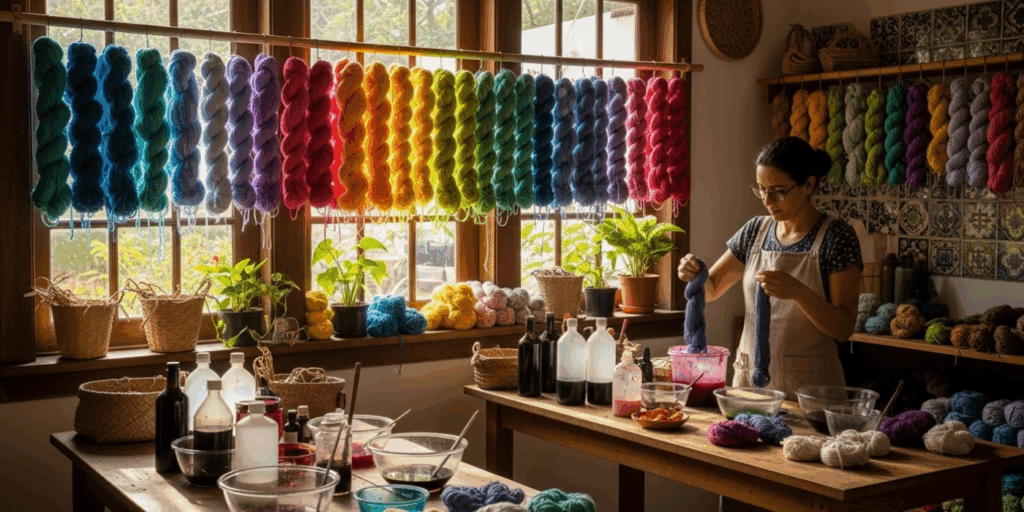
Hand-dyed yarn is made in small batches—sometimes just one or two skeins at a time—by independent artists who experiment with dyes, techniques, and palettes. They might use natural dyes from onion skins, indigo leaves, or even coffee grounds. Others use professional-grade acid dyes, but apply them with brushes, dip-dye methods, or even pour them like watercolor paint. The result? No two skeins are exactly alike. Even within the same colorway, you’ll see subtle variations: pools of color, speckles, gradients that shift like ocean waves.
This isn’t just aesthetics—it’s intention. When you buy from an indie dyer, you’re not just purchasing fiber. You’re investing in a person’s passion. Many of these makers are artists who left 9-to-5 jobs to follow their love of fiber. Some dye in their kitchens, others in backyard studios. They post behind-the-scenes videos of their dye baths, share stories about their inspiration (a trip to the coast, a favorite song, their dog’s fur), and even name their colorways after poems or childhood memories.
And here’s the kicker: studies show that people who engage in handmade crafts report higher levels of mindfulness and reduced stress. When you choose hand-dyed yarn, you’re not just making a sweater—you’re choosing presence. You’re slowing down. You’re savoring the process. And that matters.
How to Find the Best Indie Yarn Dyers (Without Getting Overwhelmed)
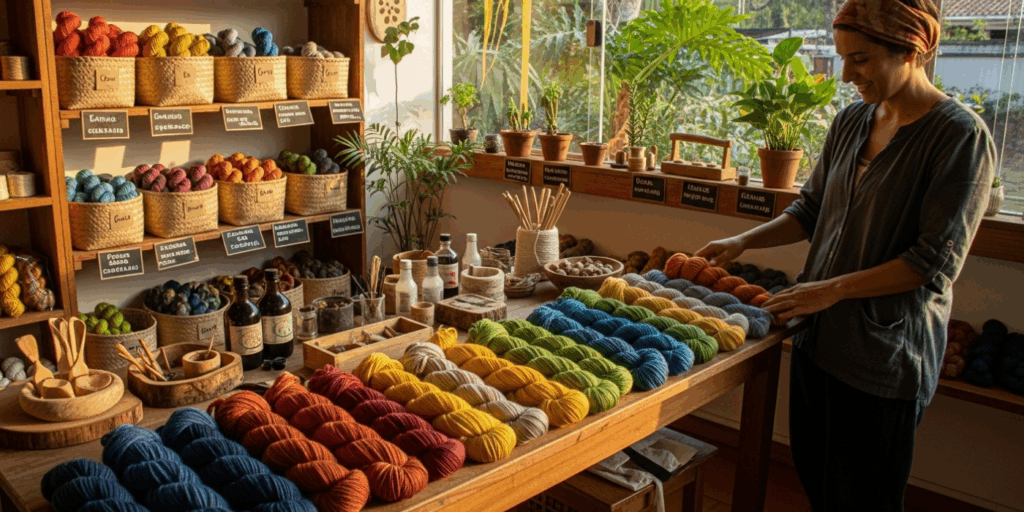
Let’s be honest—finding the right indie dyer can feel like searching for a needle in a haystack. There are thousands out there. Instagram is flooded with stunning photos. Etsy has hundreds of shops. How do you know who’s worth your time (and your money)?
Start by looking beyond the pretty pictures. Ask yourself: Does this dyer feel authentic? Read their shop story. Do they talk about their process? Do they mention sustainability, ethical sourcing, or how they pack their orders? Do they respond to comments and messages? These are signs of a maker who cares.
Here are three simple ways to discover amazing indie dyers:
- Follow hashtags: Try #indieyarn, #handdyedyarn, #yarnstagram, or #smallbusinessyarn. Save posts that catch your eye. Over time, you’ll notice repeat names—and those are your gems.
- Join fiber communities: Facebook groups like “Hand Dyed Yarn Lovers” or Ravelry’s “Independent Yarn Dyers” group are goldmines. Members share new releases, honest reviews, and even dyeing tips. You’ll hear about upcoming drops before they hit social media.
- Attend local fiber festivals: Even if you live in a small town, there’s likely a regional yarn fair, fiber festival, or craft market happening nearby. These events are where indie dyers shine. You can touch the yarn, feel its weight, see how the colors shift in natural light—and chat with the person who made it.
Pro tip: Don’t just buy the most expensive yarn. Look for dyers who offer mini skeins or skein samplers. These are perfect for testing a new artist’s style without committing to a full 100g skein. Many dyers even offer “mystery skeins”—a surprise colorway you don’t know until it arrives. It’s like a fiber advent calendar!
What Makes Hand-Dyed Yarn Worth the Price (Yes, It’s Often More Expensive)
Let’s talk about the elephant in the room: hand-dyed yarn often costs more than store-bought yarn. A 100g skein of commercial yarn might run $8–$12. Hand-dyed? $25–$45. Ouch.
But here’s the real question: What are you really paying for?
When you buy commercial yarn, you’re paying for efficiency. Machines spin, dye, and package thousands of skeins an hour. Labor costs are minimized. Profit margins are high.
With indie yarn? You’re paying for time. For every skein, the dyer spends hours preparing the fiber, mixing dyes, applying color, rinsing, drying, and packaging—all by hand. Many use organic, ethically sourced wool or plant-based fibers like alpaca, silk, or bamboo. They avoid harsh chemicals. They reuse water. They package in recycled materials.
One dyer I spoke with, Maya from Wildflower Yarn Co., told me she spends 12–15 hours on a single batch of 10 skeins. That’s over an hour per skein—just for dyeing and processing. Add in shipping, photography, customer service, and website maintenance? No wonder it costs more.
But here’s the beautiful part: you get uniqueness. That gradient you fell in love with? It’s only available in that one batch. When you knit with it, you’re creating something no one else has. Your sweater becomes a wearable story.
And think about longevity. Hand-dyed yarn often comes from small farms that prioritize animal welfare and sustainable practices. That means softer, more durable fiber. A sweater made from ethically sourced, hand-dyed merino wool can last decades—if you care for it right. That’s not just a purchase. It’s an heirloom.
So yes, it’s pricier. But when you consider the craftsmanship, the ethics, and the emotional value? It’s not a luxury. It’s an investment in beauty, integrity, and slow living.
How to Care for Your Hand-Dyed Yarn (So It Lasts and Keeps Looking Stunning)
You’ve bought your dream skein. You’ve cast on. You’ve fallen in love with the way the colors dance as you knit. Now, how do you keep it that way?
Hand-dyed yarn is beautiful—but it’s also delicate. Unlike commercial yarns treated with chemical fixatives, many indie-dyed fibers are more sensitive to heat, sunlight, and harsh detergents.
Here’s your simple care guide:
- Wash by hand. Always. Use lukewarm water and a gentle wool wash (like Eucalan or Soak). No agitation. Just gently swirl and let it soak.
- Never wring. Roll your project in a towel to remove excess water. Then lay it flat to dry on a clean surface.
- Avoid direct sunlight. Bright sun can fade colors over time. Store your finished items in a cool, dark place.
- Block gently. If your project needs blocking, do it on a flat surface with pins. Don’t stretch it too much—hand-dyed fibers can be more elastic.
- Store with care. Keep your yarn and finished items away from moths. Cedar blocks or lavender sachets work wonders (and smell amazing).
One of my favorite tips? If you’re making a large project (like a sweater) using multiple skeins of the same colorway, alternate skeins every few rows. This blends any subtle variations and prevents stripes or pooling. It’s a pro trick that makes your finished piece look seamless—even if the dye lot isn’t perfectly uniform.
And remember: slight color shifts aren’t flaws. They’re fingerprints of the maker’s hands. Embrace them. They’re part of what makes your creation one-of-a-kind.
The Ripple Effect: How Buying from Indie Dyers Changes the World
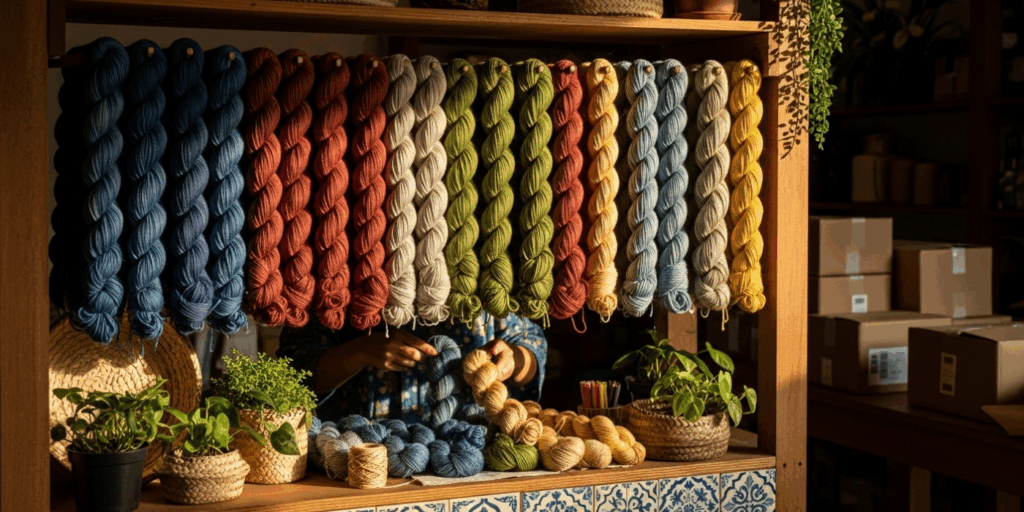
Here’s something most people don’t realize: when you buy hand-dyed yarn, you’re not just supporting one person—you’re supporting an entire ecosystem.
Indie dyers often source their fiber from small, family-run sheep farms. Many use dyes made from natural, non-toxic ingredients. They ship in compostable mailers. They collaborate with local spinners, designers, and even tattoo artists who create color palettes inspired by nature.
In 2023, a survey by the Craft Yarn Council found that over 68% of hand-dyed yarn buyers said they chose indie brands because they wanted to support small businesses. That’s not just a trend—it’s a movement.
Think about it: every $30 you spend on a skein from a small dyer goes directly into their livelihood. That’s rent, groceries, childcare, art supplies, maybe even a future trip to dye with wildflowers in the mountains. Contrast that with buying from a big corporation—where your money gets diluted across shareholders, advertising budgets, and global distribution chains.
And the creativity? It multiplies. Indie dyers inspire other artists. A dyer might collaborate with a knitwear designer to create a limited-edition pattern. That designer might partner with a local photographer to showcase the yarn in a natural setting. A blogger writes about it. Someone else knits it and shares a photo. Suddenly, a tiny studio in Oregon becomes part of a global tapestry of creativity.
You’re not just buying yarn. You’re helping keep art alive.
Your Next Step: Try Something New (And Feel the Joy)
So where do you start?
If you’ve never tried hand-dyed yarn before, here’s your gentle invitation:
Pick one small project. A cowl. A pair of mittens. A sock. Something quick. Choose a colorway that speaks to you—not because it’s trendy, but because it makes your heart skip a beat. Maybe it’s “Midnight Rain” from Fiber Alchemy. Or “Desert Bloom” from Honeycomb Yarn. Let your intuition guide you.
Buy from a dyer you’ve never heard of. Read their story. Send them a thank-you note. They’ll remember you.
Knit slowly. Notice how the colors shift as you work. Feel the texture. Take a photo when you finish. Share it—not because you want likes, but because you want to celebrate the beauty of handmade.
And if you’re already a hand-dyed yarn lover? This is your reminder: keep going. Support new dyers. Leave reviews. Tell your friends. Share a post. Buy a gift skein for someone who knits. You’re not just a consumer—you’re a curator of beauty.
Final Thoughts: The Magic Is in the Making
Hand-dyed yarn isn’t just fiber. It’s color captured in motion. It’s patience made tangible. It’s the quiet pride of someone who chose to create instead of consume.
In a world that moves too fast—where everything is mass-produced, disposable, and optimized for speed—choosing hand-dyed yarn is a quiet act of rebellion. It says: I value beauty. I honor craft. I see the person behind the product.
So the next time you hold a skein of hand-dyed yarn, don’t just see the colors. See the hours. The spills. The laughter. The quiet mornings spent stirring dye pots. The hope that someone, somewhere, will fall in love with what they made.
And then—knit with joy.
What’s your favorite hand-dyed yarn colorway? Have you ever bought from an indie dyer and been completely blown away? Drop your story in the comments—I’d love to hear about the skein that changed your knitting journey. And if this article sparked something in you, share it with a fellow fiber lover. The world needs more handmade magic.

Luiza Santos is a passionate crochet and knitting enthusiast who finds joy in transforming simple yarn into meaningful, handmade creations. With a deep love for texture, color, and craftsmanship, she believes every stitch carries a story. Luiza brings warmth, creativity, and years of hands-on experience to everything she makes, inspiring others to discover the beauty of fiber arts.