You spent hours—maybe even days—crocheting that cozy blanket, that delicate lace shawl, or that adorable amigurumi toy. Each stitch holds a piece of your time, your patience, your love. Now imagine it losing its shape, fading in color, or worse—shrinking into a tiny, unrecognizable lump after one wrong wash. It’s heartbreaking, right?
The truth is, most crochet pieces aren’t just crafts—they’re heirlooms, gifts, or daily comfort objects. And like any treasured item, they need thoughtful care. Whether you’re a beginner who just finished your first project or a seasoned crocheter with a closet full of handmade wonders, knowing how to wash and care for your crochet pieces isn’t optional—it’s essential.
In this guide, we’ll walk you through everything you need to know to keep your handmade creations looking beautiful for years. From the gentlest washing techniques to storing them properly, avoiding common mistakes, and even reviving old or damaged pieces, you’ll leave this article feeling confident, informed, and ready to protect your hard work. No more panic when the dog rolls on your blanket or the sun fades your favorite hat. Let’s turn care into a ritual of love.
Why Crochet Needs Special Care (It’s Not Just Like Regular Laundry)
You might think, “It’s just yarn—how hard can it be?” But here’s the thing: not all yarn is created equal. A cotton dishcloth behaves very differently from a wool sweater or an acrylic stuffed animal. And crochet, with its open, lacy structure, is more delicate than knitted fabrics. Those tiny loops and holes? They’re beautiful—but they’re also vulnerable.
Think of your crochet piece like a delicate lace curtain. If you toss it into a hot wash with heavy jeans, it’s going to get stretched, tangled, or worse—felted (yes, wool can turn into a stiff, matted mess). Even synthetic yarns, which seem tough, can melt under high heat or lose their softness with harsh detergents.
According to a 2023 survey by Craft Yarn Council, over 68% of crocheters reported at least one instance where their handmade item was damaged due to improper washing. That’s nearly 7 out of 10 people! And the most common culprit? The washing machine.
The good news? With just a few simple steps, you can avoid this entirely. Your crochet pieces aren’t fragile—they just need gentle care. Think of it like caring for a baby’s onesie: soft touches, cool water, and no rough handling. When you treat your creations with this kind of respect, they’ll last decades. Imagine passing down your grandmother’s crocheted doily—or your own baby blanket—to your children. That’s the power of proper care.
The Gentle Art of Washing Your Crochet: Step-by-Step
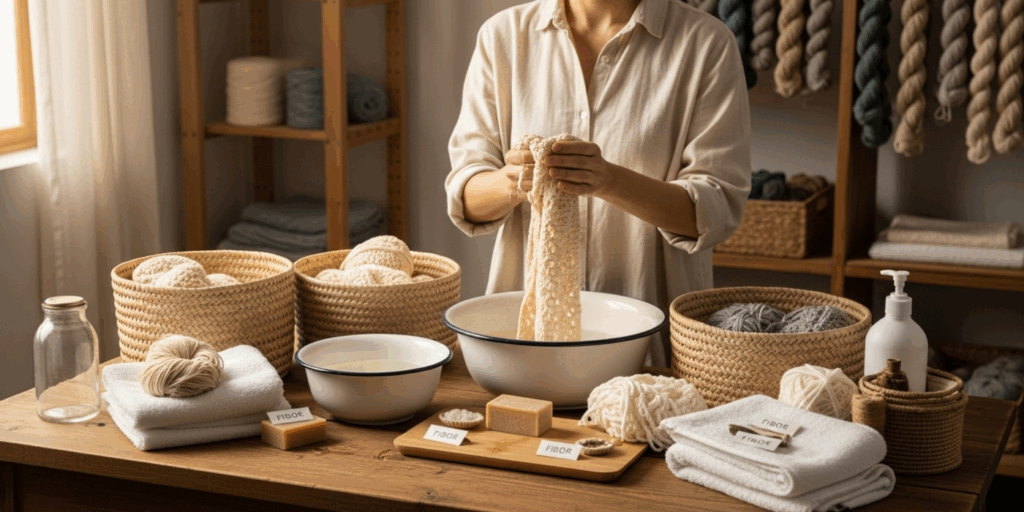
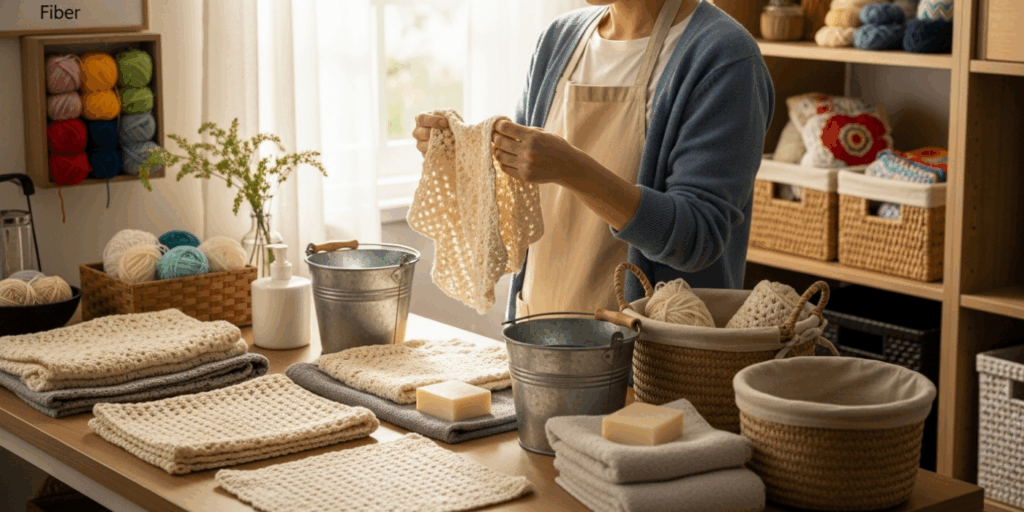
Let’s get practical. Here’s how to wash your crochet pieces right—no machine, no drama, just results.
Step 1: Check the Yarn Label
Before you even touch water, look at the ball band. It tells you everything: fiber content (cotton, wool, acrylic, etc.), recommended washing temperature, and whether it’s machine washable. If it says “hand wash only,” don’t argue. That label is your best friend.
Step 2: Fill a Sink with Cool Water
Use a clean sink or basin. Fill it with cool or lukewarm water—never hot. Add a small amount of mild detergent. We’re talking a teaspoon of baby shampoo, wool wash (like Eucalan or Soak), or even a gentle liquid soap. Avoid regular laundry detergent—it’s too harsh and can strip natural oils from wool or damage fibers.
Step 3: Submerge and Soak (Don’t Agitate!)
Gently place your piece in the water. Let it soak for 15–20 minutes. No rubbing, no twisting, no scrubbing. If there’s a stain, use a soft toothbrush to lightly dab at it—never scrub. Think of it like cleaning a painting, not a floor.
Step 4: Drain and Rinse
Drain the soapy water. Refill the sink with clean, cool water. Gently press your piece underwater to rinse out the soap. Repeat if needed. Again—no wringing. Ever.
Step 5: Remove Excess Water
Lay your piece flat on a clean towel. Roll the towel up like a jelly roll, pressing gently to absorb water. Unroll, and your piece should be damp—not dripping.
Step 6: Reshape and Dry Flat
Lay your piece on a dry towel or a mesh drying rack. Gently stretch it back into its original shape. Use pins if needed (especially for lace items) to hold edges in place. Let it dry away from direct sunlight and heat sources. This can take 24–48 hours, but patience is part of the process.
Pro Tip: For lace shawls or doilies, pin them out on a foam mat or even a clean mattress. It’s the best way to preserve intricate patterns. I once revived a 40-year-old lace doily this way—it looked brand new again!
Storing Your Crochet: Keep It Fresh, Not Forgotten
Washing is only half the battle. How you store your crochet pieces matters just as much.
Avoid Plastic Bags
I know it’s tempting to shove your handmade sweaters into plastic bins for “protection.” But plastic traps moisture, which leads to mildew, yellowing, and odors. Yarn fibers need to breathe.
Use Cotton Storage Bags or Boxes
Opt for breathable cotton storage bags, acid-free tissue paper, or wooden boxes lined with unbleached cotton. If you’re storing items long-term, include a natural moth deterrent like lavender sachets or cedar blocks. Avoid mothballs—they’re toxic and leave a lingering smell.
Fold, Don’t Hang
Crochet sweaters, especially those made with wool or cotton, can stretch out if hung on hangers. Always fold them neatly and store them flat. If you must hang something like a lightweight shawl, use a padded hanger and support the weight with a folded towel underneath.
Keep It Dry and Dark
Moisture and sunlight are the two biggest enemies. Store your pieces in a cool, dry closet—not the attic or basement where humidity swings. Sunlight fades colors, especially bright pinks, purples, and reds. I had a vibrant purple baby blanket that turned pale beige after being left on a windowsill for months. Lesson learned.
Bonus Tip: If you’re storing items for years, check on them every 6 months. Unfold them, air them out, and refold in a different way to prevent permanent creases.
Common Mistakes (And How to Avoid Them)
Let’s talk about the mistakes most crocheters make—because even experienced ones slip up.
Mistake #1: Using the Washing Machine (Even on “Gentle” Cycle)
Yes, some yarns claim to be machine washable. But “machine washable” doesn’t mean “safe.” The agitation, spin cycle, and friction can stretch, tangle, or felt your piece. I’ve seen beautiful sweaters turn into lumpy pancakes. Save your machine for socks—not your art.
Mistake #2: Drying in the Dryer
Heat is the silent killer of crochet. Even low heat can shrink wool, melt acrylic, or make cotton stiff. Air drying isn’t glamorous, but it’s the only way to preserve shape and softness.
Mistake #3: Using Bleach or Fabric Softener
Bleach destroys fibers and fades colors. Fabric softener coats yarns, making them lose their natural texture and absorbency. Your crochet doesn’t need to smell like a spa—it needs to stay itself.
Mistake #4: Ignoring Stains
Spilled juice? Coffee? Pet accident? Don’t let it sit. Blot it immediately with a damp cloth. Then, treat it gently during your next wash. The longer it sits, the harder it becomes to remove—and the more likely it is to leave a permanent mark.
Mistake #5: Storing with Sharp Objects
Zippers, buttons, or even jewelry can snag delicate stitches. Always store your crochet pieces separately from anything that could catch on them. A simple zippered pouch inside your drawer works wonders.
Reviving Old or Damaged Crochet: Hope Isn’t Lost
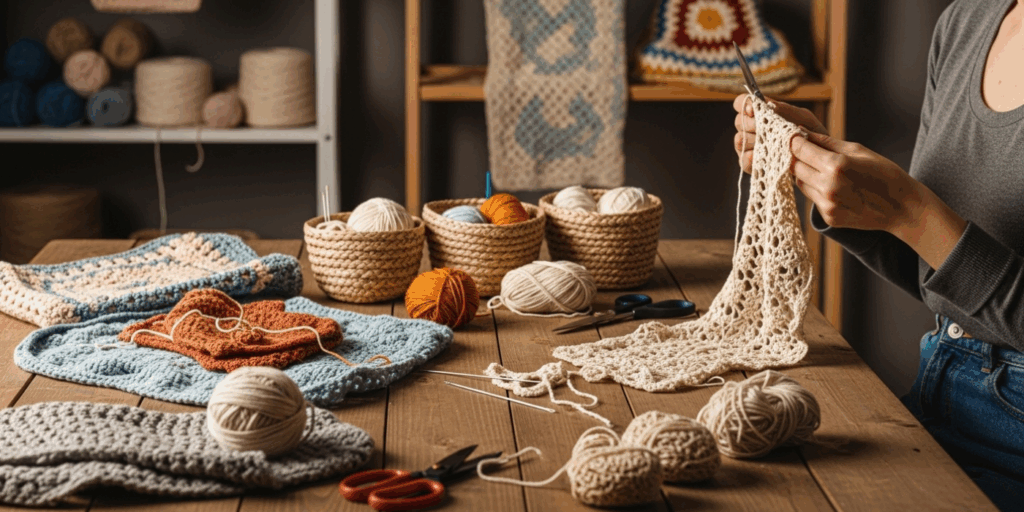
Maybe your grandmother’s blanket has yellowed. Maybe your favorite hat got stretched out from too many washes. Maybe your child’s stuffed bunny lost an ear. Don’t throw it away. Crochet is repairable.
For Yellowed White Items:
Soak in a mixture of cool water + 1 tablespoon of hydrogen peroxide (3%) and 1 tablespoon of baking soda. Let sit for 2–4 hours, then rinse thoroughly. Sunlight helps too—lay it out on a sunny day, but only for a few hours. Too much sun can weaken fibers.
For Stretched-Out Items:
Wash it gently (as outlined above), then lay it flat and pin it back into shape. Use a ruler or measuring tape to ensure symmetry. Let it dry completely before removing pins. It’s amazing how much shape you can restore.
For Holes or Loose Stitches:
If you still have the original yarn, you can darn small holes using a yarn needle. Match the stitch pattern as closely as possible. If you don’t have the original yarn, choose a similar weight and color. Sometimes, a little creative repair adds character.
For Smelly Items (Yes, Even Handmade Ones):
Spritz with a mix of water and a few drops of lavender or tea tree oil. Let it air out. Avoid strong perfumes—they can stain or react with fibers.
One of my favorite stories? A client brought me a 70-year-old crocheted afghan that smelled like mothballs and had a hole the size of a quarter. We washed it gently, repaired the hole with matching yarn, and aired it out for two weeks. She cried when she saw it again. “It smells like my grandma’s house again,” she said. That’s the magic of care.
Making Care a Ritual—Not a Chore
Here’s the beautiful truth: caring for your crochet isn’t about maintenance. It’s about meaning.
When you hand-wash a blanket you made for your newborn, you’re not just cleaning fabric—you’re honoring the love you poured into every stitch. When you carefully fold a shawl you wore to your wedding, you’re preserving a memory. When you revive an old amigurumi that belonged to your child, you’re keeping a piece of childhood alive.
This isn’t laundry. It’s legacy.
Think of it like tending a garden. You don’t just water your plants once and forget them. You check on them. You adjust. You nurture. Crochet is the same. A little attention every few months keeps it vibrant, soft, and full of life.
Make it part of your routine. Set a quiet afternoon once a season to gently wash and store your handmade items. Light a candle. Play soft music. Let it be a moment of calm, gratitude, and connection.
You didn’t just make something. You made something meant to last.
Final Thoughts: Your Creations Deserve to Be Cherished
You’ve poured your time, your creativity, and your heart into every crochet piece you’ve ever made. Whether it’s a simple coaster or a complex lace shawl, it carries a part of you.
And now you know how to protect it.
No more fear of washing. No more panic when your dog jumps on your blanket. No more wondering if your heirloom will survive another generation. You’ve got the tools, the tips, and the confidence.
So next time you finish a project, don’t just admire it—care for it. Wash it gently. Store it thoughtfully. Repair it lovingly.
And if you’ve ever damaged a piece and thought it was “too late,” I hope this guide gave you hope. Because with care, crochet doesn’t just survive—it thrives.
Now it’s your turn.
What’s your most cherished handmade crochet piece? Have you ever saved or revived something you thought was beyond repair? Share your story in the comments below—I’d love to hear it. And if you found this guide helpful, don’t keep it to yourself. Share it with a fellow crocheter. Because handmade things are meant to be passed on—not just in stitch, but in wisdom.
Happy crocheting. And even happier caring. 🧶💛

Luiza Santos is a passionate crochet and knitting enthusiast who finds joy in transforming simple yarn into meaningful, handmade creations. With a deep love for texture, color, and craftsmanship, she believes every stitch carries a story. Luiza brings warmth, creativity, and years of hands-on experience to everything she makes, inspiring others to discover the beauty of fiber arts.