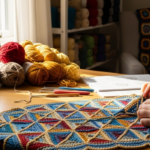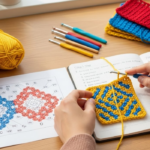
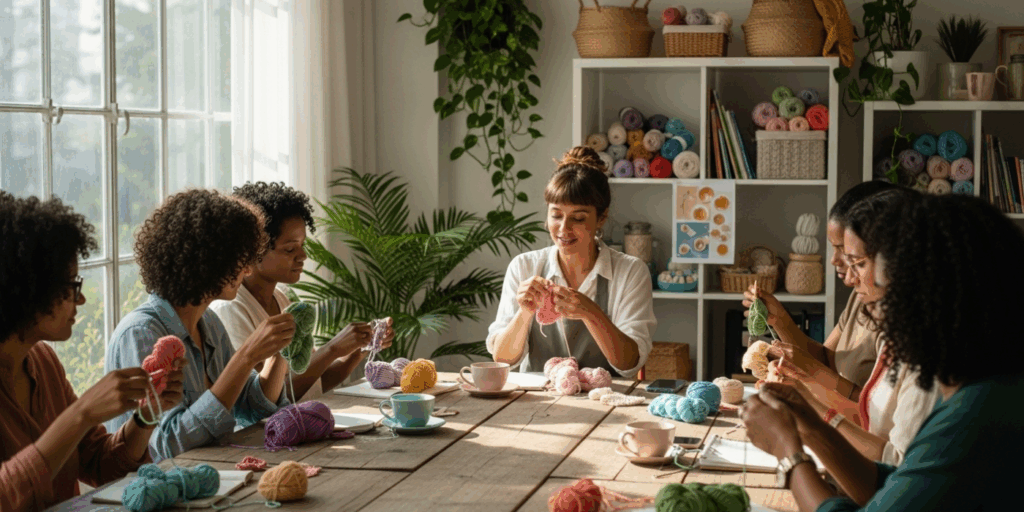
Imagine this: a cozy corner of a local café, soft afternoon light spilling over tables, the gentle click-click of crochet hooks filling the air. A group of people—some beginners with wide eyes, others with years of experience—lean in, hands moving slowly, minds quieting, hearts opening. They’re not just learning how to make a granny square. They’re building community, finding calm, and rediscovering the joy of creating with their own hands.
If you’re reading this, chances are you’re one of those people who’s spent countless hours crocheting—maybe late at night after the kids are asleep, or during lunch breaks, or while watching your favorite show. And now, you’re wondering: Could I share this? Could I teach others?
The answer is a resounding yes.
Hosting crochet workshops isn’t just about passing on a skill—it’s about sparking connection, empowering creativity, and turning your passion into something meaningful for others. Whether you want to earn a little extra income, build a local craft community, or simply give back, teaching crochet can be one of the most rewarding things you’ll ever do.
In this guide, we’ll walk you through everything you need to know to host your very own crochet workshops—from planning your first session to finding the right space, engaging students, and turning your hobby into a sustainable, joyful venture. No experience needed as a teacher—just love for yarn and a willingness to share.
Let’s get started.
Why Teach Crochet? More Than Just Stitches
Crochet isn’t just a craft—it’s therapy. Studies have shown that repetitive, rhythmic activities like knitting and crocheting can lower heart rate, reduce cortisol (the stress hormone), and even help with anxiety and depression. In fact, a 2013 survey by the University of Wollongong found that 70% of crocheters reported feeling calmer and happier after crafting.
Now imagine being the person who helps someone else discover that feeling.
Teaching crochet gives you the chance to be that catalyst. You’re not just showing someone how to do a single crochet stitch—you’re giving them a tool for mindfulness, a way to unplug from screens, and a sense of accomplishment they can hold in their hands.
And here’s the beautiful part: you don’t need to be a master to teach. Many of the most effective crochet teachers are people who learned recently themselves. You remember what it felt like to struggle with that first row. You remember the frustration, the triumph, the “aha!” moment. That’s your superpower.
Plus, the demand is growing. From TikTok tutorials to Etsy shops selling handmade items, crochet is having a major resurgence. People are craving hands-on, screen-free activities. Workshops offer a real, human connection that videos can’t replicate.
By teaching, you’re not just sharing a skill—you’re helping people find peace, confidence, and creativity in a world that often feels too fast and too loud.
Planning Your First Workshop: Start Small, Think Big

So you’re ready to teach—but where do you begin?
The key is to start small.
Your first workshop doesn’t need to be a full-day event with 20 students. Begin with just 4–6 people. That’s manageable, less intimidating, and perfect for building confidence.
Here’s how to plan your first session:
- Choose a Simple Project
Pick something achievable in 1.5–2 hours. A coaster, a mini amigurumi, or a basic beanie are all excellent choices. Avoid projects with too many complex stitches or shaping. The goal? Success. Feeling proud matters more than perfection. - Pick the Right Time and Place
Look for low-cost or free spaces: your living room, a local library meeting room, a community center, or even a coffee shop that allows small groups. Many cafes are happy to host craft nights if you bring your own customers. Offer a special discount for attendees who buy a drink—everyone wins. - Set a Clear Agenda
Outline your session:- 10 min: Welcome & introductions
- 15 min: Demo of basic stitches (chain, single crochet)
- 45 min: Hands-on practice with guidance
- 15 min: Troubleshooting common mistakes
- 10 min: Show-and-tell + next steps
- Prepare Your Kit
Have extra hooks, yarn, scissors, and stitch markers on hand. Not everyone will bring their own. Label everything clearly. Consider creating a simple handout with step-by-step photos—this helps students follow along at home. - Price It Right
For your first workshop, charge $15–$25 per person. That covers materials, your time, and a little profit. As you gain experience, you can increase prices or offer tiered options (e.g., “Basic” vs. “Advanced”).
Pro tip: Use free tools like Eventbrite or Facebook Events to promote your workshop. Include photos of your finished projects. People love to see what they can create.
Remember: Your first workshop won’t be perfect. And that’s okay. The goal isn’t flawless execution—it’s connection.
Creating a Warm, Welcoming Atmosphere
Here’s something I learned early on: people don’t come to learn how to crochet. They come to feel seen.
Crochet workshops are emotional spaces. Many attendees are dealing with loneliness, burnout, or grief. Others are simply looking for a new hobby that doesn’t require a gym membership or a screen.
Your job isn’t just to teach stitches—it’s to create a safe, joyful environment.
Start by setting the tone before they even walk in.
- Play soft instrumental music—acoustic guitar or lo-fi beats work wonders.
- Light a candle or use fairy lights. Warm lighting = cozy vibes.
- Have a small table with tea, coffee, and cookies. Food makes people feel cared for.
- Greet everyone by name. Ask, “What brought you here today?” Listen. Really listen.
When you teach, avoid jargon. Say “yarn over” instead of “YO.” Say “pull through both loops” instead of “complete a single crochet.” Use analogies: “Think of the chain like tying your shoes—each loop is a knot that holds the next one.”
And here’s a game-changer: celebrate mistakes.
When someone drops a stitch, don’t say, “Oops, fix it.” Say, “That’s totally normal! I did that my first time too. Let me show you how to fix it—this is where the magic happens.”
Make space for laughter. Make space for silence. Make space for people to just be.
One of my students, a retired nurse, told me after her first workshop: “I haven’t felt this calm in years.” That’s the power you hold.
Turning Your Workshop Into a Sustainable Habit
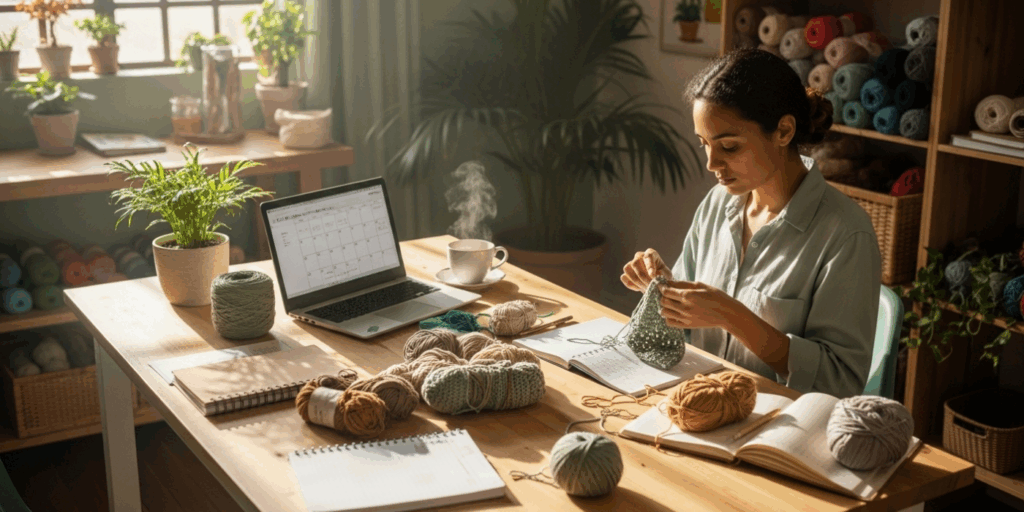
Once you’ve hosted a few successful sessions, you might start thinking: Could this become something more?
Absolutely.
Many crocheters turn workshops into side hustles—and not just for the money, but for the meaning.
Here’s how to scale thoughtfully:
Option 1: Monthly “Yarn & Chill” Nights
Host a recurring event—say, the second Thursday of every month. People start to look forward to it. They bring friends. You build a loyal community. Charge a small fee, offer a “bring a friend” discount, and maybe even partner with a local yarn shop for sponsorships.
Option 2: Themed Workshops
Try seasonal projects: Valentine’s heart coasters, Halloween pumpkins, Christmas ornaments. People love celebrating holidays with their hands. You can even sell finished pieces as gifts—create a little “craft market” corner at your event.
Option 3: Online + In-Person Hybrid
Record your workshops (with permission) and offer them as digital downloads. This gives you passive income and reaches people who can’t attend in person. Platforms like Gumroad or Etsy make it easy to sell PDF patterns + video tutorials.
Option 4: Collaborate with Local Businesses
Partner with bookstores, yoga studios, or even senior centers. Offer a “Crochet for Calm” class for seniors. Or team up with a bookstore for a “Read & Crochet” evening. These partnerships expand your reach and add credibility.
One teacher I know hosts “Crochet & Coffee” at a local library every month. She doesn’t charge—she just asks people to donate yarn. The library promotes it to their patrons, and she’s built a following of 30+ regulars. Her goal? Not profit. Presence.
That’s the beauty of this work. You can make it as simple—or as ambitious—as you want.
Overcoming Common Fears (Yes, Even Yours)
Let’s be real: teaching can be scary.
What if I mess up? What if no one shows up? What if they think I’m not good enough?
I’ve felt all of these. Here’s the truth: you don’t have to be perfect to be powerful.
You’re not a professional instructor. You’re a fellow crafter who loves what you do. That’s enough.
Here are three ways to quiet your inner critic:
- Prepare, but don’t over-plan.
Know your project inside and out—but leave room for spontaneity. Sometimes the best moments happen when someone asks an unexpected question. - Focus on progress, not perfection.
If one person leaves with a completed coaster, you’ve won. Celebrate that. - Ask for feedback.
At the end of each workshop, hand out a tiny slip of paper: “What did you love? What would you change?” You’ll be amazed at how honest—and encouraging—people are.
And if you’re nervous about speaking in front of a group? Practice. Record yourself explaining a stitch. Watch it. Then do it again. You’ll get better—not because you’re magically transformed, but because you showed up.
Remember: Your students aren’t judging you. They’re rooting for you.
The Ripple Effect: How Teaching Changes Lives (Including Yours)
Here’s a story.
A few months ago, I taught a workshop for a group of women recovering from addiction. One woman, Sarah, hadn’t held a hook in 15 years. On the first day, she cried. Not because she was sad—but because she remembered how much she used to love crocheting with her grandmother.
By the end of the session, she made a tiny flower. She held it in her palm like it was a miracle.
Two weeks later, she came back with a bag of yarn she’d saved from her mom’s attic. “I want to make a blanket,” she said. “For my daughter.”
That’s the power of teaching.
When you share your skill, you’re not just giving someone a pattern—you’re giving them a piece of themselves they thought was lost.
And guess what? You’ll change, too.
You’ll become more patient. More present. More confident. You’ll see the quiet pride in someone’s eyes when they finish their first project. You’ll realize that your hands—yes, your hands—are capable of creating more than scarves and blankets. You’re weaving connection.
That’s not just teaching. That’s magic.
Your Invitation: Start Today
You don’t need a studio. You don’t need a degree. You don’t need to be the best crocheter in town.
All you need is a hook, some yarn, and the courage to say, “Come learn with me.”
Start small. Host one workshop. Invite three friends. Make it cozy. Make it real.
And when that first person says, “Thank you—I’ve never felt this calm,” you’ll know: this is why you crochet.
This is why you teach.
The world needs more makers. More healers. More quiet, steady hands.
And guess what? You’re already one of them.
So what are you waiting for?
Grab your yarn. Pick a date. Send out the invite.
And when you do—come back here and tell me how it went. Did someone make their first stitch? Did you laugh until you cried? Did you feel something shift inside you?
I’d love to hear it.
Drop a comment below—or better yet, post a photo of your first workshop group on Instagram and tag me. Let’s build a community of crochet teachers, one stitch at a time.
Your hands have already created beauty. Now, let them create connection.
The yarn is waiting.
The hooks are ready.
And your students?
They’re already out there…
just waiting for you to say, “Let’s begin.”

Luiza Santos is a passionate crochet and knitting enthusiast who finds joy in transforming simple yarn into meaningful, handmade creations. With a deep love for texture, color, and craftsmanship, she believes every stitch carries a story. Luiza brings warmth, creativity, and years of hands-on experience to everything she makes, inspiring others to discover the beauty of fiber arts.