You’ve just finished your first crochet blanket—soft, cozy, and completely yours. But then you imagine it: a pattern published under your name, sold on Etsy, worn by strangers who call it “their favorite piece.” That dream? It’s not just possible. It’s happening every day. And behind every successful crochet designer? A collaboration that worked.
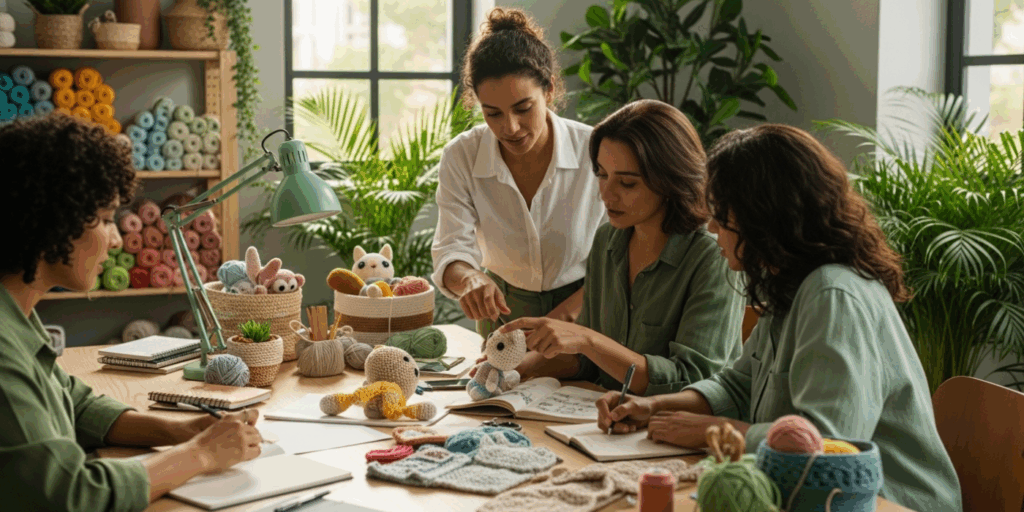
Whether you’re a small business owner, a yarn shop owner, a blogger, or even a passionate crocheter ready to step into design, working with crochet designers isn’t just about hiring someone to make a pattern. It’s about building a creative partnership—one that turns passion into profit, craft into community, and yarn into legacy.
In this article, we’ll explore how to collaborate successfully with crochet designers. You’ll learn how to find the right person, communicate clearly, set fair expectations, protect your creative rights, and turn a simple project into something that resonates with thousands. No jargon. No fluff. Just real, actionable advice from designers who’ve been there—and from makers who’ve learned the hard way.
Let’s dive in.
Why Collaboration Is the Secret Sauce Behind Great Crochet Designs
Think about your favorite crochet pattern. Maybe it’s a chunky beanie that went viral on Instagram. Or a granny square afghan that became a family heirloom. Chances are, it didn’t just appear out of thin air. Behind it? A designer who spent weeks testing stitches, a photographer who captured its texture in golden afternoon light, and maybe even a yarn company that provided materials for free in exchange for exposure.
Collaboration is the invisible thread holding together the modern crochet economy.
According to a 2024 Craft Industry Alliance survey, over 68% of independent crochet designers partner with at least one other creator per year—whether it’s a photographer, a model, a pattern editor, or a yarn brand. And those who collaborate consistently report 3x higher sales and 5x more engagement on social media than those who work alone.
Why? Because no one is an island. Even the most talented designer needs help seeing their work through fresh eyes. A pattern might look perfect to its creator—but a tester might spot a confusing stitch count. A photo might be beautiful—but a stylist might know how to make the colors pop.
When you collaborate, you’re not outsourcing. You’re amplifying.
Imagine you’re baking a cake. You’ve got the recipe. But what if you added a pinch of sea salt? A drizzle of honey? A sprinkle of edible flowers? That’s what collaboration does. It doesn’t change your vision—it elevates it.
And here’s the best part: you don’t need a big budget to start. You just need intention.
How to Find the Right Crochet Designer for Your Project (And Avoid the Red Flags)
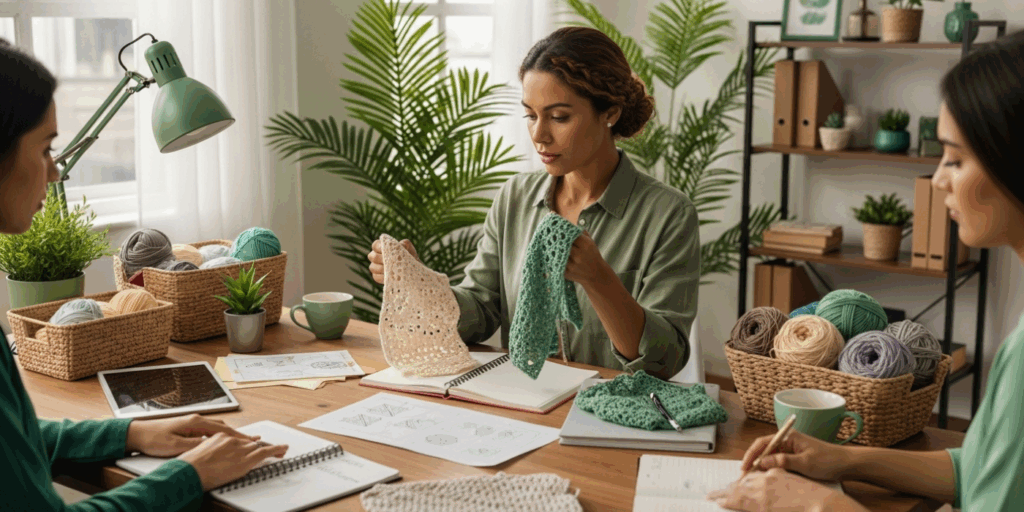
Finding the right designer is like finding the perfect yarn: you need the right fiber, the right color, and the right feel.
Start by looking beyond Instagram likes. Yes, aesthetics matter—but skills matter more. Here’s how to vet potential collaborators:
1. Check Their Portfolio
Look for consistency. Are their patterns clear? Do they include detailed photos, stitch counts, and written instructions? Avoid designers whose patterns are all pictures and no words. Clarity is king.
2. Read Reviews and Testimonials
Search for “worked with [Designer Name]” on Etsy, Ravelry, or Facebook groups. Look for comments about communication, deadlines, and professionalism—not just “loved the design!”
3. Ask for a Sample
Before committing, request a short test project: maybe a 200-word pattern excerpt or a mock-up of a project brief. This shows how they think, write, and problem-solve.
Red flags?
- They refuse to sign a simple agreement.
- They ghost you after initial messages.
- Their patterns have inconsistent sizing or no gauge info.
- They ask for “exposure” as payment (more on that later).
Pro tip: Join Ravelry’s “Designers & Makers” group or follow hashtags like #CrochetDesignerLife on Instagram. Many emerging designers are eager to collaborate—and often more affordable than you think.
One small business owner, Lisa from The Knotted Nest, partnered with a new designer on Etsy for $150 to create a seasonal scarf pattern. The result? 1,200 downloads in three months. “I didn’t pay for a celebrity,” she says. “I paid for someone who showed up, listened, and delivered.”
That’s the magic.
Setting Clear Expectations: The Non-Negotiables Before You Start
You wouldn’t ask a chef to cook a five-course meal without telling them what’s on the menu. So why ask a designer to create a pattern without clear direction?
The number one reason collaborations fail? Miscommunication.
Here’s what to nail down before you send that first email:
✅ Project Scope
What exactly do you want? A beanie? A blanket? A set of amigurumi? How many sizes? Will it be beginner-friendly or advanced?
✅ Timeline
When do you need it? Give realistic deadlines. Most designers need 2–4 weeks for a simple pattern, including testing. Rushing = mistakes.
✅ Payment & Terms
Will you pay upfront? In installments? With product? Be transparent. A fair rate for a beginner designer ranges from $50–$200 for a basic pattern. More experienced? $250–$800. Always agree in writing—even if it’s just a simple Google Doc.
✅ Rights & Ownership
Who owns the pattern? Can you sell it? Can they use it in their portfolio? This is critical. Most designers will retain the right to sell the pattern themselves unless you negotiate exclusive rights (which usually costs more).
💡 Real-life example: Maria, a yarn shop owner, hired a designer to create a pattern using her shop’s exclusive yarn. She assumed she owned the pattern. When the designer later sold it on Etsy, Maria was furious. They had no contract. Lesson learned: Always clarify ownership.
Use a simple template like this:
“I, [Your Name], hire [Designer Name] to create a crochet pattern for a [item] using [yarn brand]. The pattern will include [details]. Payment: $[amount] due on delivery. Pattern ownership: [Designer retains rights / You own exclusive rights].”
Keep it simple. Keep it clear. Keep it legal.
Communication: The Invisible Thread That Holds It All Together
You’ve found your designer. You’ve agreed on terms. Now what?
Here’s the truth: the best collaborations aren’t about perfection. They’re about presence.
Meaning: show up. Respond. Ask questions. Celebrate wins.
Do this:
- Send a quick “How’s it going?” every 5–7 days.
- Share inspiration photos (Pinterest boards work great).
- Give feedback early and kindly. Say: “I love the color choice—could we try a slightly smaller hook for tighter stitches?”
- Celebrate milestones: “You finished the first draft? That’s huge!”
Don’t do this:
- Ghost for two weeks, then send a 10-paragraph demand.
- Say “I don’t know what I want” and expect them to read your mind.
- Criticize without offering solutions.
One designer, Jenna from Hooked on Joy, says: “I’ve had clients who send me 20 versions of the same pattern because they keep changing their mind. And I’ve had clients who say, ‘I trust you. Make it beautiful.’ Guess which one was easier to work with?”
The latter.
Communication isn’t about being perfect. It’s about being consistent. Think of it like knitting: one stitch at a time. A little each day builds something strong.
And don’t forget: designers are creatives. They thrive on encouragement. A simple “This is gorgeous” can mean more than a paycheck.
Protecting Your Work (And Theirs): Copyright, Credit, and Fair Use
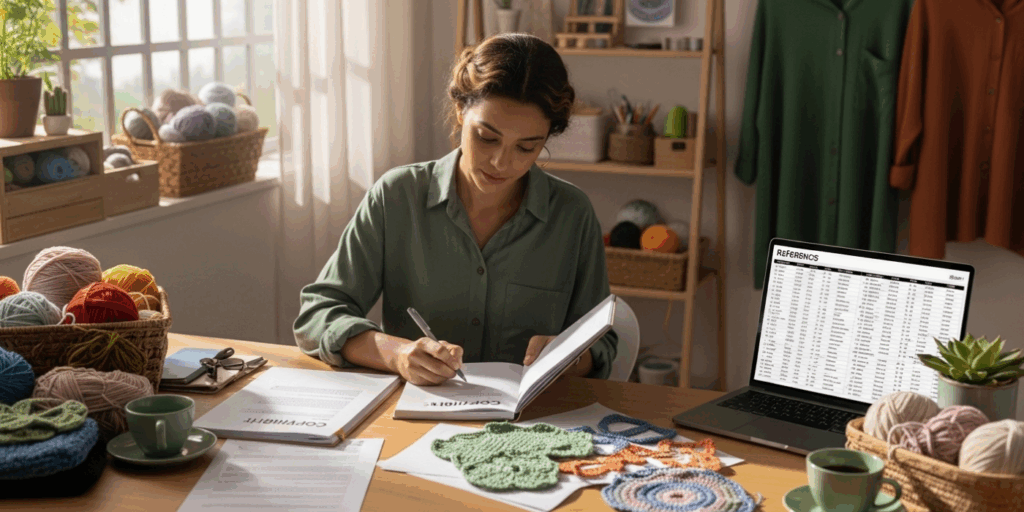
Let’s talk about something no one wants to mention—but everyone needs to know.
Your crochet pattern is intellectual property. So is the designer’s work.
If you’re paying someone to create a pattern for you, you’re not just buying a PDF. You’re investing in creativity. And that deserves protection.
Here’s the bare minimum you need:
🔹 A written agreement (even a simple email chain counts).
🔹 Clear credit—always name the designer. Never say “Created by [Your Shop Name]” if someone else designed it. That’s not just unethical—it’s illegal in many places.
🔹 Usage rights—if you want to sell the pattern exclusively, pay for it. If you just want to use it in your shop, make sure they’re okay with that.
And here’s the flip side: if you’re the designer, protect yourself too.
- Always watermark your drafts.
- Don’t send full patterns until payment is received.
- Use platforms like Etsy or Gumroad that offer automatic licensing.
One heartbreaking story: A designer created a stunning lace shawl for a boutique. The boutique sold it as their own, changed the name, and didn’t credit her. She found out when someone tagged her on Instagram saying, “I bought your shawl!” She had no recourse. No contract. No paper trail.
Don’t let that be you.
A quick Google Doc with “Pattern Creation Agreement” in the title takes 10 minutes. It saves you years of stress.
And if you’re unsure? Check out the Crochet Guild of America’s free template for designer contracts. It’s simple, clear, and designed for small creators.
Turning Collaboration Into Community: The Ripple Effect
Here’s the most beautiful part of working with crochet designers: it doesn’t end when the pattern is done.
When you collaborate, you’re not just creating a product. You’re building a story.
Imagine this: You partner with a designer who’s a single mom in rural Ohio. You promote her work. You feature her on your blog. You share her Instagram. Suddenly, she gets 500 new followers. She books her next project. She buys a new yarn stash. She teaches her daughter to crochet.
That’s the ripple effect.
And it works both ways.
When you credit your designer publicly—on your website, in your newsletter, on Instagram—you’re not just being nice. You’re building trust. Your audience sees you as someone who values creativity, not just commerce.
One Etsy seller, Tanya of Yarn & Whimsy, started a monthly “Designer Spotlight” on her blog. Each month, she features a different crochet designer, shares their story, and links to their shop. Result? Her sales went up 40% in six months. Why? Because people don’t just buy patterns—they buy people.
Your collaboration isn’t a transaction. It’s a relationship.
So when you publish that pattern, don’t just say “Pattern by [Your Brand].” Say:
“Designed with love by [Designer’s Name], a talented crocheter from [City]. Follow her journey @handle. Her work inspires me every day.”
That’s the kind of content that lasts.
Final Thoughts: Your Next Step Starts With One Message
You don’t need to be a CEO. You don’t need a team. You don’t need a huge budget.
All you need is one bold, kind, clear message.
“Hi, I love your work. I’m working on a project and would love to collaborate. Are you open to it?”
That’s it.
That’s how every great collaboration begins.
Whether you’re a small shop owner, a blogger, a YouTube creator, or just someone who loves to make things with yarn—your voice matters. Your vision matters. And the designer you connect with? They’re waiting for someone to say yes.
So say it.
Reach out. Be kind. Be specific. Be fair.
And when you do, you won’t just get a pattern.
You’ll get a partner. A friend. A piece of your creative legacy.
Ready to Start Your First Collaboration?
Here’s your simple action plan:
- Pick one designer whose work you admire.
- Send them a real, personal message (not a copy-paste DM).
- Offer a fair rate—even if it’s just $50 to start.
- Use a simple agreement (here’s a free template: [link to free Google Doc]).
- Celebrate the outcome—and give them credit.
Then come back here and tell me:
👉 Who did you reach out to? What did you create?
Drop your story in the comments below. Let’s build a community where creators lift each other up—one stitch, one collaboration, one beautiful piece at a time.
And if you found this helpful? Share it with someone who’s ready to make their next crochet dream real.
Because the yarn is ready.
The hook is waiting.
And your next masterpiece?
It’s just one message away.
Luiza Santos is a passionate crochet and knitting enthusiast who finds joy in transforming simple yarn into meaningful, handmade creations. With a deep love for texture, color, and craftsmanship, she believes every stitch carries a story. Luiza brings warmth, creativity, and years of hands-on experience to everything she makes, inspiring others to discover the beauty of fiber arts.