In today’s digital landscape, the ability to build a loyal crochet community on social media has become a cornerstone for success in the handmade industry. For crochet designers, yarn shops, and craft entrepreneurs, fostering a dedicated group of followers who actively engage, share, and advocate for your brand can transform casual scrollers into lifelong customers. This article delves deep into actionable strategies that go beyond superficial likes and follows, focusing on creating genuine connections that stand the test of algorithm changes and market fluctuations. Whether you’re just starting your crochet journey or looking to revitalize an existing audience, understanding the nuances of community building is essential for sustainable growth. A truly loyal community doesn’t just consume your content—they participate, defend your brand during challenges, and organically expand your reach through word-of-mouth. This isn’t about chasing vanity metrics; it’s about cultivating relationships that drive long-term business resilience and creative fulfillment.
What Building a Loyal Crochet Community Means for Crochet and Knitting Businesses
For handmade businesses operating in the fiber arts space, a loyal community represents far more than a follower count—it functions as a strategic asset with measurable impact on revenue stability and brand longevity. In many crochet and knitting businesses, community members become early adopters for new pattern releases, provide invaluable feedback during product development, and generate authentic social proof that converts hesitant browsers into buyers. Unlike paid advertising, which stops delivering results the moment budgets dry up, a nurtured community continues advocating for your brand organically. Experienced designers often emphasize that community-driven businesses experience 30–50% higher customer lifetime value compared to those relying solely on transactional relationships. This loyalty buffer proves especially critical during seasonal sales lulls or economic downturns when discretionary craft spending typically contracts. Furthermore, a tight-knit community serves as a real-time focus group, alerting you to emerging trends like the recent surge in demand for sustainable yarn alternatives or adaptive crochet techniques for makers with mobility limitations. For knitting businesses adjacent to crochet, these principles transfer seamlessly—though platform preferences and content formats may differ slightly, the core psychology of craft-based community building remains consistent. Ultimately, investing in community transforms your social media presence from a broadcast channel into a collaborative ecosystem where members feel ownership in your brand’s journey.
Why This Strategy Works Especially Well in the Crochet Community
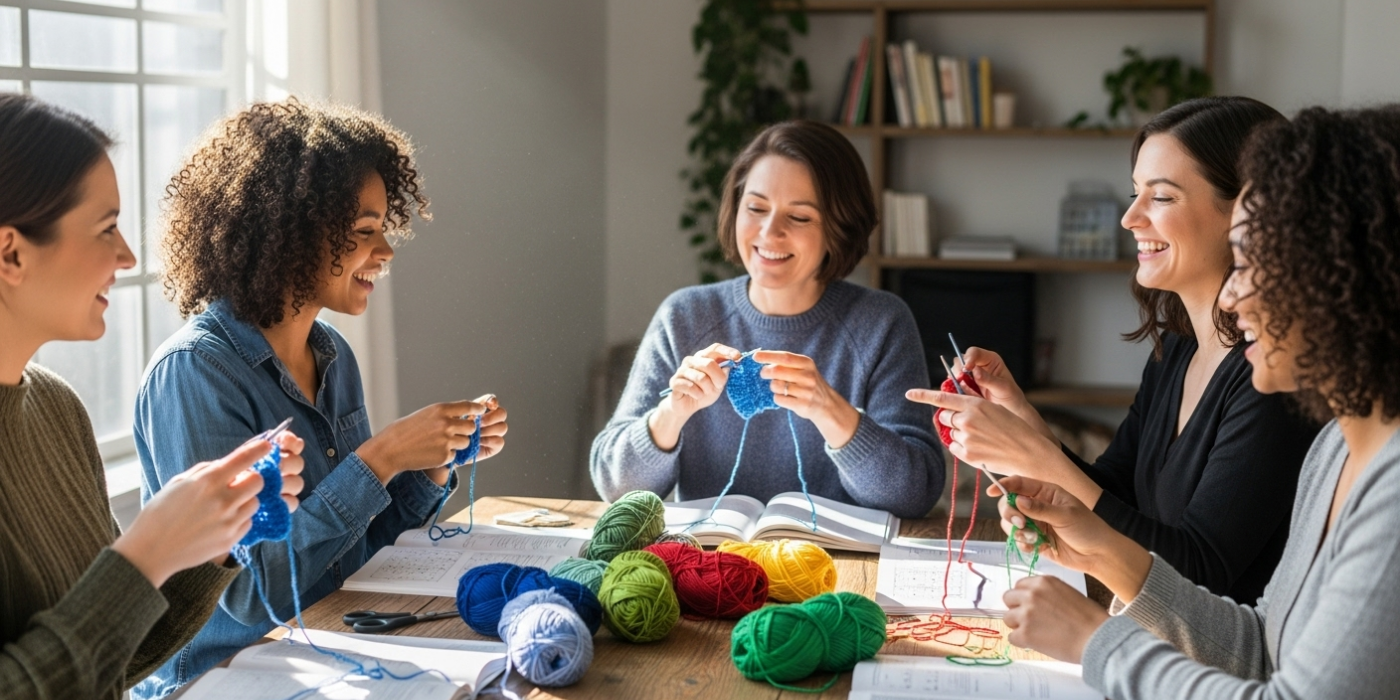
The crochet community possesses unique cultural characteristics that make it exceptionally receptive to authentic social media engagement. Unlike fast-fashion consumers, crocheters operate within a gift economy mindset where knowledge sharing, pattern modifications, and technique troubleshooting are deeply ingrained social norms. This cultural foundation creates natural opportunities for reciprocity—when you generously share a tip about fixing gauge issues or demonstrate an uncommon stitch, community members feel compelled to reciprocate through comments, shares, or their own content contributions. From working with multiple crochet brands, I’ve observed that the tactile, process-oriented nature of crochet generates inherently shareable moments: the satisfaction of completing a complex stitch pattern, the emotional resonance of creating heirloom pieces, or the problem-solving triumph when unraveling a mistake. These micro-moments translate powerfully to visual platforms like Instagram Reels and TikTok, where process videos consistently outperform finished-object posts in engagement metrics. Additionally, the crochet community demonstrates remarkable cross-generational appeal, with Gen Z makers embracing amigurumi alongside baby boomer artisans preserving traditional lace techniques. This demographic diversity allows community builders to create tiered content strategies that serve multiple age groups simultaneously while maintaining cohesive brand identity. Crucially, crocheters exhibit high emotional investment in their craft—projects often carry sentimental value tied to life events like newborn arrivals or memorial tributes. Brands that acknowledge this emotional dimension through thoughtful captioning and responsive engagement cultivate deeper loyalty than those treating crochet as purely transactional. The community’s inherent collaborative spirit means that when you authentically participate rather than just promote, members naturally amplify your reach through stitches shared, tags added, and stories reposted.
Materials, Tools, or Resources Needed
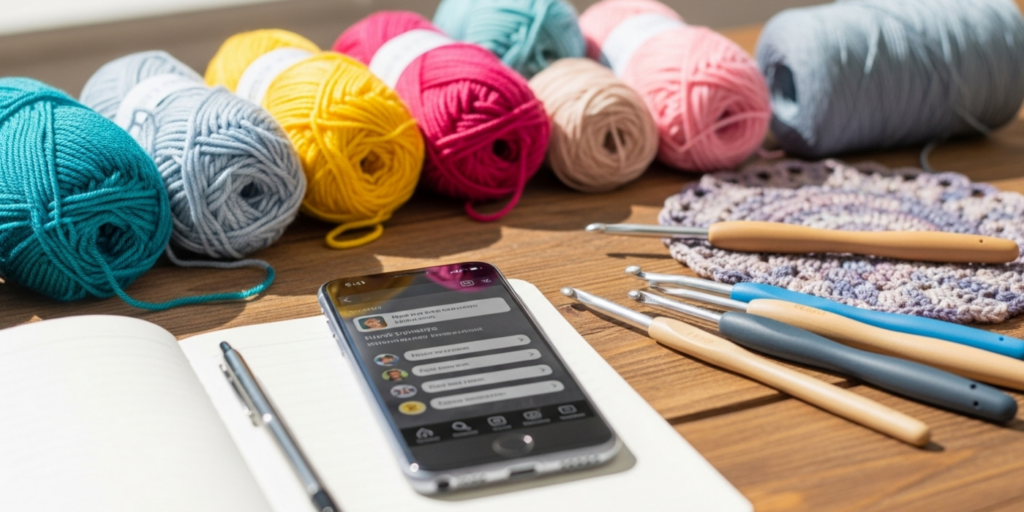
Building a loyal crochet community requires strategic investment in digital tools rather than physical crafting supplies. Start with a content calendar system—Trello, Notion, or Google Sheets—to maintain consistent posting schedules across platforms without burning out. Visual consistency matters immensely; Canva Pro (or the free version with disciplined template use) enables creation of cohesive graphics featuring your brand colors and typography. For video content, a smartphone with decent camera capabilities suffices initially, but consider investing in a basic ring light ($20–30) to eliminate unflattering shadows during technique demonstrations. Audio quality often gets overlooked; a $15 lavalier microphone dramatically improves tutorial clarity compared to built-in phone mics. Scheduling tools like Buffer or Later save significant time by allowing batch-creation of posts during focused work sessions rather than daily platform hopping. Community management demands dedicated resources: set aside 20–30 minutes minimum, twice daily, specifically for meaningful engagement (not just liking comments). A simple spreadsheet to track top engagers helps personalize interactions—note when followers mention project milestones so you can congratulate them weeks later. For analytics, platform-native insights provide foundational data, but tools like Iconosquare offer deeper cross-platform analysis for serious growth tracking. Crucially, allocate mental resources: community building thrives on authenticity, so protect creative energy by establishing boundaries around response times and engagement depth. Many successful crochet entrepreneurs designate “community hours” to prevent social media from consuming entire workdays. Remember that tools merely facilitate connection—the real resource is your consistent presence and genuine interest in members’ creative journeys.
Yarn Types and Fiber Considerations in Community Content Strategy
While yarn selection primarily impacts physical crafting outcomes, strategic discussion of fiber properties serves as powerful community-building content when framed educationally rather than commercially. Knowledge sharing about yarn types establishes immediate credibility—when you explain why cotton’s lack of memory makes it challenging for certain stitch patterns but ideal for dishcloths, you position yourself as a trusted resource rather than just another seller. In many thriving crochet communities, fiber discussions naturally segment audiences: wool enthusiasts bond over temperature-regulating properties for winter wearables, while plant-based fiber advocates connect around sustainability values. Leverage these natural affinities by creating content series like “Fiber Fridays” where you compare swatches of identical stitches worked in merino wool versus bamboo, discussing drape, stitch definition, and care requirements. This approach transforms technical knowledge into engagement opportunities—followers comment with their own experiences (“I substituted linen for this shawl and it blocked beautifully!”), creating organic conversation threads. Be mindful of accessibility when discussing fibers; acknowledge that luxury fibers like cashmere remain financially out of reach for many makers, and consistently highlight budget-friendly alternatives without diminishing either group’s choices. Hypoallergenic considerations matter too—communities often include members crafting for sensitive-skinned recipients, making acrylic versus natural fiber discussions clinically relevant beyond aesthetics. When featuring yarn brands, maintain transparency about sponsorships while emphasizing objective fiber characteristics rather than promotional language. Experienced community managers note that fiber-focused content performs exceptionally well in Pinterest and Instagram Guides, where makers actively search for material-specific inspiration. Most importantly, use yarn discussions to celebrate diversity in making preferences—there’s no universal “best” fiber, only context-appropriate choices, and validating this philosophy fosters inclusive community culture where beginners never feel shamed for using affordable acrylics.
Skill Level Breakdown for Community Engagement
Effective community building requires tailoring engagement strategies to members’ technical proficiency without creating hierarchical divisions that alienate beginners. For novice crocheters, focus on psychological safety through content that normalizes the learning curve—share your own early project photos with visible mistakes, create “troubleshooting Tuesday” posts addressing common frustrations like inconsistent tension, and avoid jargon without explanation. These makers respond best to highly visual, step-by-step micro-content: 15-second Reels demonstrating how to hold yarn comfortably or fix a dropped stitch. Intermediate crocheters seek growth opportunities; engage them through technique-deep dives (like mastering colorwork or reading charts), collaborative challenges with achievable stretch goals, and opportunities to mentor beginners—which reinforces their own knowledge while strengthening community bonds. Advanced makers require intellectual stimulation beyond basic tutorials; involve them in beta-testing complex patterns, host live sessions analyzing construction techniques in historical textiles, or create spaces for discussing the mathematics behind lace repeats. Crucially, design community structures that allow cross-skill interaction: a monthly “show-and-tell” thread where beginners share first projects alongside experts displaying intricate garments celebrates progress at every level. From observing successful crochet brands, communities that publicly celebrate “beginner wins” while respecting advanced makers’ expertise achieve the highest retention rates. Avoid segmenting platforms by skill level (e.g., “this Instagram is for experts only”), which fragments community cohesion. Instead, use content formatting to serve multiple levels simultaneously—caption a complex project photo with “Advanced technique spotlight” while the first comment offers a simplified version for newer makers. This layered approach ensures no member feels either patronized or excluded, fostering an ecosystem where skill diversity becomes a collective strength rather than a barrier.
Step-by-Step Guide to Build a Loyal Crochet Community
Step 1: Define Your Community’s Core Purpose and Values
Begin by articulating why your community exists beyond promoting your products. Is it a safe space for neurodivergent makers to share adaptive techniques? A sustainability-focused group championing yarn waste reduction? Or a cultural preservation hub for traditional stitch patterns? Document three to five core values (e.g., “radical inclusivity,” “process over perfection,” “generous knowledge sharing”) and reference them when making content decisions. This foundation prevents mission drift during trend-chasing moments. Survey existing followers anonymously to identify shared values you might have overlooked—many communities organically form around unspoken needs like combating crafting isolation.
Step 2: Audit and Select Primary Platforms Strategically
Don’t spread thinly across all platforms. Analyze where your ideal community members already gather: Instagram and TikTok dominate for visual inspiration and short-form video, Facebook Groups excel for sustained discussion threads, Pinterest serves discovery-phase makers, and YouTube builds authority through in-depth tutorials. Most successful crochet brands anchor on one “home base” platform (often Instagram or a dedicated Facebook Group) while using others for supplementary content. For example, use TikTok for viral stitch demonstrations that drive traffic to your Instagram community hub where deeper conversations happen. Reassess platform alignment quarterly as algorithms evolve—what worked for community building in 2023 may require adaptation in 2026.
Step 3: Develop a Content Framework That Balances Value Types
Move beyond random posting with a structured content mix. Allocate your weekly posts across four categories: 40% educational (technique tips, fiber science), 30% inspirational (member spotlights, project showcases), 20% interactive (polls, Q&As, challenges), and 10% promotional (new patterns, shop updates). This ratio ensures followers receive consistent value before encountering sales messages. Create recurring series with recognizable naming (“Technique Thursday,” “WIP Wednesday”) to build anticipation and habitual engagement. Crucially, design content that invites participation—end tutorials with “Show me your version using #MyStitchChallenge” rather than passive consumption.
Step 4: Implement Authentic Engagement Rituals
Algorithmic reach depends on meaningful interaction signals. Establish non-negotiable daily practices: respond to every comment on new posts within four hours (even just a heart emoji initially), dedicate 15 minutes to proactively commenting on followers’ project photos with specific praise (“Love how you modified the sleeve shaping!”), and feature user-generated content weekly in Stories with credit. Go beyond surface-level “nice project!” comments—reference details only a genuine observer would notice (“That color transition in row 12 is seamless!”). For larger communities, train a trusted moderator to help maintain response consistency without sacrificing authenticity. Remember that engagement quality trumps quantity; three thoughtful replies build more loyalty than fifty generic “👍” reactions.
Step 5: Cultivate Member Ownership Through Co-Creation
Transform passive followers into active stakeholders by involving them in brand decisions. Host polls to choose next pattern colorways, invite beta-testers from your community for new designs, or create a “community pattern library” where members submit and share their original designs with credit. Feature member stories prominently—not just finished objects but their crafting journeys, challenges overcome, and personal connections to projects. When members see their contributions shaping your brand direction, psychological ownership develops, dramatically increasing retention. One designer increased community retention by 65% after implementing a quarterly “community choice” pattern voted on by members.
Step 6: Establish Community Norms and Conflict Resolution Protocols
Prevent toxicity before it emerges by publicly sharing community guidelines focused on behavior rather than skill level (“We celebrate all makers regardless of experience” versus “No beginners allowed”). Address conflicts privately first—never shame members publicly for mistakes like accidental self-promotion. Train yourself to recognize burnout signals in both yourself and active members; over-engaged participants often need gentle encouragement to step back. Implement a “cooling off” protocol for heated discussions: temporarily lock comment threads on controversial topics while facilitating private mediation. Healthy communities aren’t conflict-free—they’re conflict-competent, with established pathways for respectful disagreement.
Step 7: Measure Loyalty Beyond Vanity Metrics
Track meaningful indicators: comment-to-like ratio (higher indicates deeper engagement), repeat commenters (members who engage weekly versus occasionally), and direct message volume (signals trust). Monitor “community velocity”—how quickly members respond to each other’s questions without your intervention. Quarterly, conduct a simple survey asking “What almost made you leave our community?” and “What single thing keeps you here?” These insights reveal retention drivers algorithms can’t capture. Remember that true loyalty manifests when members defend your brand unprompted during controversies or actively recruit friends—track these organic advocacy moments as ultimate success metrics.
Common Mistakes and How to Avoid Them
Many crochet entrepreneurs inadvertently undermine community growth through well-intentioned but counterproductive practices. The most pervasive error is prioritizing aesthetic perfection over authentic connection—overly curated feeds with identical color palettes and staged photos feel sterile, whereas slightly messy works-in-progress with visible frogged sections generate relatable engagement. Avoid this by intentionally sharing “imperfect” moments: a tangled yarn ball during a live session or a project abandoned after row 50. Another critical mistake is engagement inconsistency—posting daily for two weeks then disappearing for ten days confuses algorithms and frustrates followers. Combat this with realistic content batching during high-energy periods, scheduling posts during expected low-capacity times. Ignoring negative feedback constitutes a severe loyalty killer; when a member critiques yarn quality in purchased kits, publicly acknowledging the concern (“Thank you for this feedback—we’re investigating with our supplier”) followed by private resolution builds more trust than defensive responses. Many creators also fall into the “broadcast trap,” treating social media as a megaphone rather than a conversation space. Counter this by ending every post with an open-ended question requiring more than yes/no answers (“What’s the most challenging stitch you’ve mastered this month?”). Finally, failing to acknowledge community milestones—like a member’s first finished garment after years of attempting—misses powerful bonding opportunities. Implement a simple tracking system for follower achievements mentioned in comments to enable personalized celebration weeks later.
Advanced Tips and Professional Insights
Seasoned community builders employ nuanced strategies that transform good engagement into exceptional loyalty. One advanced technique involves “engagement layering”: when a member comments on your post, reply thoughtfully, then later comment on their profile’s recent project photo with specific praise, and finally reference their contribution in a future Story (“Loved Maria’s color combo suggestion—trying it in my next swatch!”). This multi-touch approach signals genuine attention beyond algorithmic obligation. Another pro insight: strategically “seed” discussion threads by having a trusted friend or colleague post the first substantive comment on new content to overcome initial engagement inertia—platforms often suppress posts with zero early interactions. For cross-platform synergy, repurpose YouTube tutorial segments into TikTok hooks that drive traffic to Instagram for community discussion, creating a virtuous content cycle. Experienced designers also leverage “micro-influencer” reciprocity within the crochet space—not through paid sponsorships but genuine relationship building. When you authentically celebrate another maker’s work (without expectation of return), organic collaboration opportunities emerge that feel native rather than transactional. Perhaps most powerfully, top community builders practice “vulnerability sequencing”—gradually increasing personal disclosure depth over months (starting with crafting struggles, progressing to business challenges, eventually sharing life events) to build trust without oversharing prematurely. This calibrated authenticity makes followers feel they’re growing alongside you rather than observing a distant expert.
Real-World or Hypothetical Examples
Consider “StitchRoots Collective,” a hypothetical crochet brand specializing in cultural heritage patterns. Initially struggling with superficial engagement, they transformed their Instagram into a community hub by implementing three key strategies. First, they launched “Pattern Preservation Tuesdays,” featuring interviews with elder makers from various cultures discussing stitch origins—content that sparked meaningful conversations about craft ethics beyond aesthetics. Second, they created a private Facebook Group exclusively for purchasers of their heritage pattern bundles, but with a twist: membership required sharing one personal story about why preserving that craft tradition mattered to them. This filtered for genuinely invested members and generated profound connection. Within six months, the group developed self-moderating norms where members gently corrected cultural appropriation attempts while celebrating respectful adaptations. Third, they instituted a “Community Colorway” program where members voted quarterly on dye lots for limited edition yarn collaborations, with proceeds funding craft education in source communities. This created tangible impact beyond digital interaction. Result: 78% of members made repeat purchases within one year (industry average is 32%), and 41% actively recruited new members through personal referrals. The brand’s crisis resilience was proven when a shipping delay occurred—instead of mass complaints, community members organized a virtual “stitch-along” using stash yarns while waiting, turning a potential reputation disaster into a loyalty-strengthening event. This example illustrates how purpose-driven community architecture generates business outcomes algorithms alone cannot deliver.
Customization and Adaptation Ideas
Your community strategy must adapt to your specific niche within crochet to avoid generic engagement. Amigurumi designers should emphasize whimsy and storytelling—host “character creation contests” where members design backstories for their stuffed animals, or share time-lapses of sculpting complex 3D shapes. Garment-focused makers benefit from body-positive framing: showcase patterns on diverse body types, discuss adaptive modifications for disabilities, and create fit-adjustment workshops addressing real wearer concerns beyond standard sizing charts. For home decor crocheters, leverage seasonal rhythms with “quarterly refresh challenges” encouraging members to remake items for changing aesthetics, while sustainability-focused brands can build community around yarn stash busting through “mystery bag” swaps or upcycling tutorials. Platform adaptation matters too: TikTok communities thrive on trend participation (e.g., sounds paired with satisfying stitch sequences), while Pinterest communities respond to highly searchable, problem-solving content (“crochet potholder heat resistant”). Consider temporal customization—during holiday seasons, shift from technique education to gift-making support with deadline-friendly project recommendations. Most importantly, regularly solicit adaptation feedback through annual “community pulse surveys” asking what content formats or discussion topics would better serve evolving needs. One designer successfully pivoted from Instagram to a dedicated Discord server after members expressed desire for real-time technique troubleshooting—a move that increased daily active participation by 200% despite smaller overall membership. Flexibility rooted in member insight, not trend-chasing, sustains long-term relevance.
Care, Maintenance, and Best Practices for Long-Term Community Health
Sustaining community loyalty requires proactive maintenance beyond initial growth tactics. Implement quarterly “community clean-ups”: review and gently prune inactive members from private groups to maintain discussion density, archive outdated resource posts to reduce clutter, and refresh pinned content to reflect current priorities. Establish a “burnout prevention protocol” for yourself—designate one day weekly as completely social-media-free, and train a backup moderator to cover engagement during vacations. Healthy communities require periodic reinvigoration; introduce new ritual elements every 6–8 months like seasonal challenges or guest expert takeovers to prevent stagnation without disrupting core identity. Conflict resolution must be handled with consistent transparency: when disagreements arise (e.g., debates about cultural appropriation in pattern design), facilitate structured dialogue by sharing educational resources first, then hosting a live moderated discussion—not deleting dissenting voices, which breeds resentment. Monitor for “engagement inequality” where 20% of members generate 80% of interactions; intentionally spotlight quieter voices through features like “Underrated Maker of the Month” to distribute recognition. Crucially, protect community integrity during business transitions—when raising pattern prices or changing product lines, explain decisions through community-focused rationale (“This adjustment funds living wages for our sample crocheters”) rather than purely financial justification. Annual community health audits should measure psychological safety indicators: anonymously survey members about comfort levels sharing mistakes, perceived inclusivity, and whether they’d recommend the community to friends. These qualitative metrics often predict retention more accurately than quantitative data alone.
Monetization Opportunities Through Community Trust
Ethical monetization emerges naturally from community trust rather than aggressive sales tactics. The most sustainable model involves community-supported product development: offer exclusive early access to new patterns for engaged members, with pricing tiers that include optional “community supporter” upgrades funding charitable yarn donations. Pattern sales convert best when framed as community resources—”This shawl pattern includes video support from our top members who tested tricky sections”—rather than isolated transactions. Workshop revenue grows organically when live technique sessions originate from community-requested topics (“You asked for Tunisian crochet help—here’s a deep dive”). For physical products like yarn kits, implement community co-creation: let members vote on colorways or contribute design elements, creating emotional investment that drives pre-orders. Affiliate marketing feels authentic only when genuinely vetted—share your personal experience with recommended tools (“I’ve used these ergonomic hooks daily for two years—here’s why”) rather than generic links. Crucially, maintain clear boundaries: never sell community member data, and avoid “pay-to-play” dynamics where financial contribution determines visibility. One successful brand generates 60% of revenue through a voluntary “community patron” program where supporters contribute monthly for early pattern access and behind-the-scenes content—framed as sustaining the community space itself rather than purchasing products. This model thrives because members perceive direct value exchange: their support maintains the ad-free, expert-moderated environment they cherish. Remember that monetization should enhance community experience, not extract from it—when members feel their financial support directly improves their creative ecosystem, loyalty transforms into sustainable business partnership.
Frequently Asked Questions
How often should I post to maintain community engagement without burning out?
Consistency matters more than frequency. Most successful crochet communities thrive with 4–5 high-quality posts weekly rather than daily rushed content. Focus on maintaining predictable rhythms—e.g., Technique Tuesday and WIP Wednesday—so followers anticipate your content. Batch-create during productive periods: dedicate one afternoon monthly to photograph projects, write captions, and schedule posts. Quality engagement on fewer posts (responding thoughtfully to every comment) builds more loyalty than frequent posting with minimal interaction. If capacity allows only two weekly posts, make them exceptionally valuable through deep tutorials or meaningful member spotlights rather than filler content.
Which social media platform is best for building a crochet community?
No single platform suits all communities—your ideal choice depends on content strengths and audience demographics. Instagram excels for visual inspiration and Reels-driven technique snippets, with robust hashtag discovery. Facebook Groups foster sustained discussions ideal for troubleshooting and project sharing. TikTok drives rapid growth through viral stitch demonstrations but requires adapting to trend cycles. Pinterest serves makers in planning phases searching for specific project ideas. Most experts recommend anchoring on one primary platform where your personality shines naturally, then repurposing content strategically elsewhere. A designer strong in video might build their core community on YouTube with supportive Instagram engagement, while a writer-focused maker might anchor on a blog with Pinterest distribution.
How do I handle negative comments or community conflicts professionally?
Address negativity with calm transparency. For constructive criticism (“This pattern’s instructions confused me”), publicly thank the commenter and offer direct message support to resolve specifics—this models respectful problem-solving. For genuinely toxic behavior (personal attacks, spam), enforce pre-published community guidelines consistently: first private warning, then temporary muting if patterns continue. Never argue publicly—de-escalate with “I appreciate you sharing this perspective; let’s continue this conversation privately to understand better.” Document recurring issues to identify systemic problems needing broader solutions (e.g., if multiple members struggle with a pattern section, issue a clarification update). Remember that handling conflicts gracefully often strengthens community trust more than avoiding them entirely.
What metrics actually indicate community loyalty beyond follower count?
Track engagement depth indicators: comment-to-like ratio above 5% suggests meaningful interaction; repeat commenters (members engaging weekly for three+ months) signal investment; direct message volume reflects trust. Monitor “community velocity”—how quickly members answer each other’s questions without your involvement. Conduct quarterly sentiment analysis by categorizing comment themes (supportive, questioning, critical) to gauge emotional temperature. Most importantly, measure advocacy actions: track how often members tag friends unprompted (“You need to see this stitch!”) or defend your brand during controversies. These organic behaviors predict retention far better than vanity metrics.
How can I encourage user-generated content without it feeling forced?
Create low-barrier participation pathways. Instead of demanding full project photos, invite micro-contributions: “Show your current WIP’s color palette in Stories,” or “Share one word describing your crafting mood today.” Feature submissions prominently with specific praise (“Love how @maker used variegated yarn to highlight the cable texture!”). Run time-bound challenges with achievable scope (“Crochet one granny square in 24 hours using #MySquareChallenge”). Most effectively, model vulnerability first—share your own imperfect works-in-progress to give permission for others to do the same. Avoid over-polished curation that intimidates beginners; celebrate “first attempts” alongside masterpieces to normalize the learning journey.
Should I create a private group or keep my community public?
Both models serve different purposes. Public platforms (Instagram feeds, TikTok) excel for discovery and broad inspiration—ideal for attracting new members. Private spaces (Facebook Groups, Discord servers) foster deeper trust through reduced performance pressure, enabling vulnerable sharing like project frustrations or business challenges. Many successful brands use a “funnel” approach: public content drives awareness, while exclusive private communities reward highly engaged followers. If starting, build publicly first to validate interest before investing moderation resources in private spaces. Whichever model you choose, prioritize psychological safety—clear guidelines, consistent moderation, and zero tolerance for bullying matter more than platform choice.
Conclusion
Building a loyal crochet community on social media transcends tactical growth hacks—it requires a fundamental shift from broadcasting to belonging. When you consistently prioritize genuine connection over conversion metrics, celebrate member journeys alongside your own, and protect community integrity during business decisions, you cultivate something algorithms cannot replicate: human loyalty. This loyalty manifests not in perfect engagement rates, but in members who troubleshoot each other’s projects at midnight, defend your brand unprompted during challenges, and return purchase after purchase because they feel seen and valued. Start small: implement one engagement ritual this week, like responding to every comment within four hours or featuring one member’s project story. Track not just numbers, but moments of authentic connection—the comment that made you smile, the DM sharing a crafting breakthrough. These micro-interactions compound into communities that sustain both your business and your creative spirit through industry fluctuations. Remember that the most resilient crochet communities aren’t built on viral moments but on daily deposits of trust, generosity, and shared purpose. Your needles create fabric; your presence weaves community. Begin weaving today.

Luiza Santos is a passionate crochet and knitting enthusiast who finds joy in transforming simple yarn into meaningful, handmade creations. With a deep love for texture, color, and craftsmanship, she believes every stitch carries a story. Luiza brings warmth, creativity, and years of hands-on experience to everything she makes, inspiring others to discover the beauty of fiber arts.