The gentle rhythm of hook and yarn has comforted generations of crafters, offering both creative solace and tangible results. Yet beyond the therapeutic loops and stitches lies a powerful opportunity: transforming your crochet passion into a reliable source of supplemental income. A well-structured crochet side hustle allows artisans to monetize their skills without sacrificing the joy inherent in the craft. In today’s digital marketplace, handmade goods enjoy renewed appreciation, with consumers actively seeking unique, human-made alternatives to mass-produced items. This guide delivers a comprehensive roadmap for converting your crochet expertise into a sustainable venture. We’ll explore realistic income potential, strategic product selection, pricing psychology, digital marketing fundamentals, and operational efficiencies that separate hobbyists from thriving micro-entrepreneurs. Whether you create intricate amigurumi, wearable garments, or home décor, this guide provides the actionable framework to build a business that complements your lifestyle while honoring your craft. The journey from casual crocheter to confident creator-entrepreneur begins with intention—and the right systems in place.
What This Topic Means for Crochet & Knitting Businesses
For established handmade businesses operating in the fiber arts space, the concept of a side hustle represents both an opportunity and a strategic consideration. Many full-time knitwear or crochet brands began precisely this way—testing product-market fit during evenings and weekends before scaling into dedicated ventures. Understanding the side hustle model helps existing businesses identify emerging competition, recognize shifting consumer preferences toward micro-brands, and even develop mentorship programs for newcomers. From a market perspective, the proliferation of skilled side hustlers enriches the entire ecosystem by normalizing handmade purchases and expanding consumer awareness. However, it also necessitates differentiation for established players. In many crochet businesses I’ve consulted with, owners initially viewed side hustlers as threats but later recognized them as potential collaborators—sourcing components, cross-promoting during holidays, or even hiring top performers as contractors during peak seasons. The side hustle model also influences pricing psychology across the industry. When numerous artisans offer similar items at varying price points, it educates consumers about the true value of handcrafted work, ultimately benefiting all ethical sellers who transparently communicate their time investment and material quality. For knitting businesses specifically, the crossover appeal means many customers who discover crochet through a side hustler may later explore knitted goods, expanding the total addressable market for fiber arts entrepreneurs. This symbiotic relationship underscores why established brands should view the side hustle movement not as competition but as ecosystem development that strengthens the handmade economy long-term.
Why This Strategy Works Especially Well in the Crochet Community
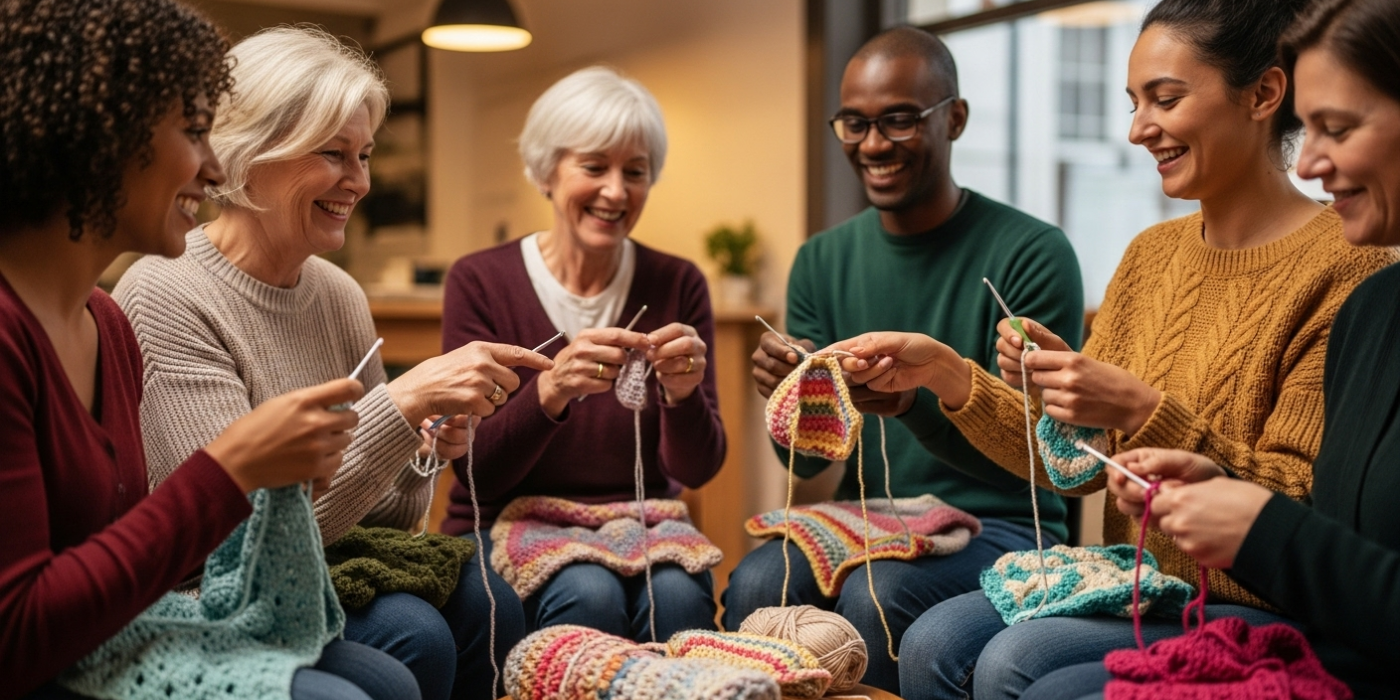
The crochet community possesses unique characteristics that make it exceptionally fertile ground for side hustle development. Unlike many crafts requiring expensive equipment or dedicated studio space, crochet demands minimal startup investment—a quality hook set and affordable yarn can launch a business. This accessibility lowers barriers to entry while maintaining high perceived value in finished goods. More significantly, the global crochet community thrives on digital connectivity. Platforms like Instagram, TikTok, and Ravelry have cultivated vibrant spaces where makers share techniques, troubleshoot projects, and celebrate finished pieces. This culture of open knowledge exchange accelerates skill development and provides built-in marketing channels. Experienced designers often recommend leveraging this communal spirit by participating authentically before selling—answering technique questions, sharing works-in-progress, and celebrating others’ successes builds the trust essential for commercial relationships. Additionally, crochet’s versatility across product categories creates multiple revenue streams from a single skill set. A maker might sell baby blankets seasonally, offer custom pet portraits year-round, and teach beginner workshops during slow periods—diversification that stabilizes income without requiring new core competencies. The tactile nature of crochet goods also fosters emotional connections; customers frequently purchase items as meaningful gifts or self-rewards, justifying premium pricing compared to utilitarian products. From working with multiple crochet brands, I’ve observed that makers who embrace community values—transparency about process, responsiveness to feedback, and support for fellow artisans—consistently outperform those treating their shops as purely transactional. This isn’t accidental; the crochet community self-selects for values-aligned commerce, making authenticity not just ethical but economically advantageous. When customers recognize that their purchase supports a real person’s creative journey rather than a faceless corporation, loyalty deepens organically.
Materials, Tools, or Resources Needed
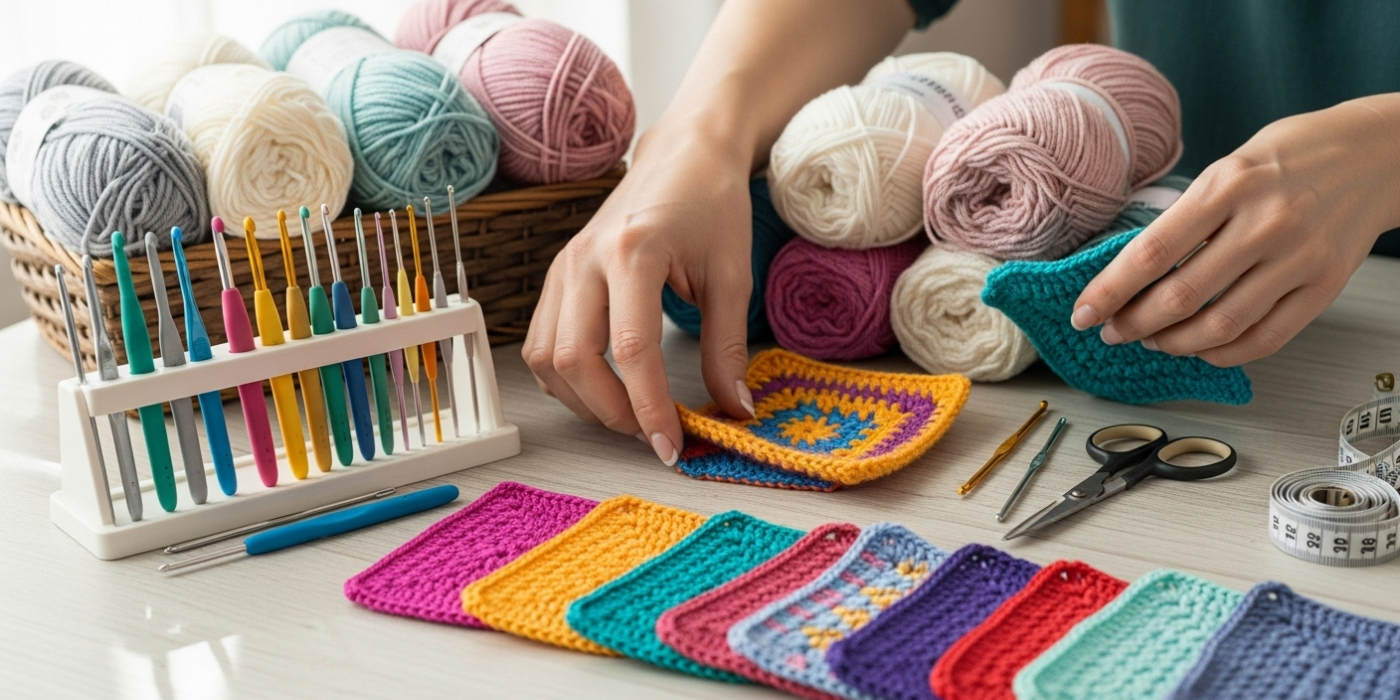
Launching a professional-grade crochet side hustle requires strategic investment in foundational tools beyond basic hooks and yarn. While beginners might start with a single aluminum hook and budget acrylic, scaling demands equipment that ensures consistency, efficiency, and product durability. Essential tools include a set of ergonomic hooks in multiple sizes (bamboo or tulip brands reduce hand fatigue during extended sessions), sharp stainless steel scissors dedicated solely to yarn work, and a reliable tape measure with both inch and centimeter markings. Stitch markers—both locking and ring styles—become indispensable when working complex patterns or multiple projects simultaneously. For production efficiency, a row counter (digital or manual) prevents costly errors in repetitive patterns, while a yarn swift and ball winder transform hank purchases into usable cakes without tangles—a time-saver worth its weight in productivity. Digital resources prove equally critical: accounting software like Wave or QuickBooks Self-Employed simplifies income tracking and tax preparation from day one. Pattern drafting requires graph paper or digital tools like Stitch Fiddle for chart creation. Photography demands attention; even smartphone cameras need supplemental tools like a lightbox ($20–$40), neutral backdrops, and free editing apps like Snapseed to present products professionally. Packaging supplies—recyclable mailers, branded stickers, thank-you cards—transform transactions into memorable brand experiences. Crucially, invest in a dedicated project notebook or digital log to track time spent per item, material costs, and customer feedback. This data informs pricing adjustments and identifies your most profitable product lines. Many successful side hustlers I’ve mentored initially underestimated tool quality’s impact on output consistency; a $3 hook may suffice for personal projects, but a $15 ergonomic hook prevents repetitive strain injuries during production marathons before holiday seasons. Start with core essentials, then incrementally upgrade tools based on your most frequent pain points—never all at once. This measured approach preserves capital while systematically elevating your professional capacity.
Yarn Types and Fiber Considerations
Material selection fundamentally influences your product’s market positioning, pricing ceiling, and customer satisfaction. Budget-conscious beginners often start with acrylic yarns like Red Heart Super Saver or Lion Brand Basic Stitch, which offer color variety and machine-washability at accessible price points. However, experienced sellers quickly recognize that fiber content directly correlates with perceived value and appropriate pricing. For baby items or sensitive-skin garments, cotton blends (e.g., Lily Sugar’n Cream) or bamboo yarns provide breathability and hypoallergenic properties justifying 20–30% price premiums over acrylic. Luxury segments demand natural fibers: merino wool for temperature-regulating wearables, alpaca for cloud-like softness in blankets, or silk blends for elegant accessories. Each fiber carries distinct care requirements that must be communicated transparently—wool items require hand-washing, while acrylic withstands machine cycles. This isn’t merely technical detail; it’s a trust-building opportunity. In many crochet businesses, product descriptions that educate customers about fiber benefits (“This merino blend regulates body temperature for year-round comfort”) convert browsers into buyers by demonstrating expertise. Sustainability considerations increasingly influence purchasing decisions. Recycled cotton, organic wool certifications, or deadstock yarns from mill overruns appeal to eco-conscious consumers willing to pay premiums for ethical production. However, authenticity matters—greenwashing claims damage credibility faster than no claims at all. Always verify supplier sustainability practices before marketing items as eco-friendly. Practical tip: Maintain a “fiber library”—small swatches of each yarn type you use, labeled with care instructions and project suitability. When customers request custom work, this reference ensures accurate recommendations matching their needs. Seasonality also affects fiber strategy: lightweight cottons and linens dominate spring/summer offerings, while wool blends peak in autumn/winter demand. Savvy side hustlers rotate inventory based on these cycles rather than maintaining year-round identical stock. Remember that yarn weight (fingering, worsted, bulky) affects project speed and material costs—bulky yarns work up faster but consume more per item, altering your time-to-profit calculation. Documenting these variables in your project log creates data-driven decisions for future collections.
Skill Level Breakdown
Beginner
New crocheters possess foundational skills—chain, single/double crochet, basic shaping—but may struggle with tension consistency or complex constructions. Their side hustle potential lies in simple, high-demand items with forgiving structures: dishcloths, basic beanies using rectangular construction, or granny square coasters. These products require minimal sizing precision, use affordable yarns, and complete quickly—building confidence while generating initial revenue. Beginners should avoid intricate garments or amigurumi requiring precise shaping until tension stabilizes. Pricing must reflect actual time investment; a $5 beanie taking three hours to complete yields unsustainable income. Instead, bundle items (e.g., “set of four coasters”) to increase average order value without proportional time increase. Focus on mastering one product category before expanding. Many successful artisans I’ve observed began exclusively selling market bags—a single pattern repeated with color variations—until their speed and consistency allowed profitable scaling. This focused approach builds muscle memory while creating recognizable brand signatures.
Intermediate
With proficiency in multiple stitches, colorwork, and reading patterns, intermediate crocheters can tackle garments, home décor, and simple amigurumi. Their advantage lies in customization capacity—adjusting sizes, incorporating requested colors, or modifying patterns slightly for personalization. This skill tier supports higher pricing through perceived uniqueness. Intermediate makers should develop signature items: perhaps a distinctive market bag style or uniquely textured blanket pattern that becomes their brand identifier. Time management becomes critical; tracking hours per project prevents underpricing during custom work. Exploring niche markets proves lucrative here—pet accessories for specific breeds, adaptive clothing for disabilities, or culturally specific items underserved by mass retailers. Many intermediate sellers plateau by spreading efforts too thin across product categories. Instead, double down on 2–3 bestsellers where your skills create visible quality differentiators versus competitors. This focus enables process optimization—pre-cutting yarn lengths, batching similar projects—that dramatically improves hourly earnings.
Advanced
Expert crocheters command techniques like tapestry crochet, lacework, garment construction with shaping, and original pattern design. Their side hustle potential shifts from product sales to multiple revenue streams: selling original patterns on Ravelry or Etsy, teaching workshops (virtual or in-person), accepting high-end custom commissions, and licensing designs to yarn companies. Advanced makers must position themselves as authorities—documenting their process through blogs or videos builds credibility that justifies premium pricing. Custom work requires contracts specifying revisions, timelines, and deposit structures to protect against scope creep. Pattern designers should understand intellectual property basics; while copyright automatically protects original designs, explicitly stating usage rights (“personal use only” vs. “small business license”) prevents customer disputes. From consulting with advanced artisans, I’ve seen the most sustainable models balance product sales (40% of income), pattern revenue (30%), and teaching/consulting (30%)—diversification that buffers against marketplace algorithm changes or seasonal demand fluctuations. Their greatest risk isn’t skill deficiency but undervaluing expertise; charging $50 for a custom wedding shawl requiring 15 hours of intricate lacework devalues the entire craft community. Advanced makers must confidently price based on skill rarity and emotional value delivered.
Step-by-Step Guide
Step 1: Audit Your Current Skills and Inventory
Before listing anything for sale, conduct a honest assessment. Review your finished projects: which received consistent compliments? Which did you complete efficiently without frustration? Photograph these items in natural light. Simultaneously, calculate true costs: weigh yarn used per item (kitchen scale required), note hook size and hours invested. Example: A baby blanket using 800g of $8/ball yarn (50g per ball) costs $12.80 in materials. If it took 10 hours to complete at your target $15/hour rate, minimum price is $162.80—before platform fees. This reality check prevents initial underpricing that erodes profitability. Identify 3–5 products aligning with your strengths and market demand (research Etsy bestsellers in your niche).
Step 2: Establish Legal and Financial Foundations
Register a business name (DBA if required in your locality), though many start under personal names. Open a separate bank account exclusively for side hustle transactions—critical for tax separation. Research sales tax requirements; most U.S. states require collection once exceeding economic nexus thresholds ($100k–$500k annually). Use free tools like Wave Apps for invoicing and expense tracking from day one. Draft simple terms of service covering shipping timelines, return policies (handmade items often exclude returns except for defects), and custom work revisions. This paperwork seems tedious but prevents costly disputes later.
Step 3: Develop Your Product Line with Pricing Strategy
Based on your audit, select 3 core products to launch. Create professional photos: style items in lifestyle settings (e.g., blanket draped over sofa), include detail shots showing stitch definition, and use consistent lighting. Write descriptions emphasizing benefits over features: “This chunky cowl provides cozy neck warmth without bulk” versus “made with double crochet.” For pricing, implement tiered strategy: base price covers materials + desired hourly rate + 15% platform fees. Then add value-based premium for customization (e.g., +$10 for monogramming). Test prices with 5–10 initial customers—friends or community members—for feedback before full launch.
Step 4: Choose and Optimize Sales Channels
Begin with one primary platform to avoid fragmentation. Etsy remains ideal for handmade goods due to built-in audience searching specifically for crafts. Optimize listings with primary keyword “crochet side hustle” variations in titles (“Handmade Crochet Baby Blanket – Perfect Side Hustle Gift”), detailed tags (13/13 tags used: “newborn gift,” “gender neutral crochet,” etc.), and complete attributes. Simultaneously, build an email list from day one using free Mailchimp account—offer a free pattern download in exchange for signups. This owned audience becomes invaluable when platform algorithms change.
Step 5: Implement Batch Production System
Avoid making items individually per order initially. Instead, dedicate “production days” to batch-create components: crochet 10 blanket centers, then 10 borders on separate days. This workflow minimizes setup time and mental switching costs. Store completed items in labeled bins by product type. When orders arrive, assembly and packaging take minutes rather than hours. Track which items sell fastest to inform future batching—data prevents overproduction of slow movers.
Step 6: Execute Consistent Marketing
Allocate 30 minutes daily to community engagement: comment genuinely on 5–10 posts in relevant Instagram hashtags (#crochetcommunity), share works-in-progress stories showing your process (not just finished items), and respond to every comment on your posts within 12 hours. Algorithm favor engagement velocity. Monthly, collaborate with one micro-influencer (1k–10k followers) in your niche—offer free product for authentic feature. This targeted outreach outperforms generic ads for handmade goods.
Step 7: Systematize Customer Experience
Create packaging ritual: fold items neatly, include handwritten thank-you note with care instructions, and add a small freebie (e.g., stitch marker). Encourage reviews by including a polite insert: “Love your blanket? A review helps other craft lovers discover handmade warmth.” Respond professionally to all feedback—negative comments addressed publicly with solutions (“I’d love to make this right—please message me directly”) demonstrate reliability to future customers.
Step 8: Analyze and Iterate Quarterly
Review sales data every 90 days: which items have highest profit margins? Which required excessive customer service? Discontinue bottom 20% performers, double production on top 20%. Adjust prices based on actual time logs—if you’re consistently underestimating hours, increase rates 10–15% across board. Reinvest 20% of profits into business growth: better photography equipment, premium yarn samples, or targeted Etsy ads for bestsellers.
Common Mistakes and How to Avoid Them
Underpricing remains the most pervasive error, often stemming from comparing handmade items to fast-fashion equivalents rather than valuing time investment. A $25 crocheted sweater taking 12 hours to complete equates to $2.08/hour—below minimum wage in most regions. Solution: Calculate prices using formula (materials cost + [hours × desired hourly rate] + platform fees) before considering market rates. If your math yields $85 but competitors sell similar for $45, either refine your process to reduce hours or target customers who value craftsmanship over price—don’t race to the bottom.
Inconsistent tension creates sizing variations that trigger returns and negative reviews. This stems from fatigue, distraction, or inadequate swatching. Solution: Always crochet a 4×4 inch gauge swatch before starting garments. Measure stitches per inch; if off by more than 10%, adjust hook size. For production batches, work in focused 90-minute sessions with breaks to maintain consistent tension—never power through exhaustion.
Ignoring legal requirements invites future complications. Selling without tracking sales tax obligations or misrepresenting fiber content (“100% wool” when blend) risks penalties. Solution: Bookmark your state’s revenue department website; set calendar reminders quarterly to review thresholds. When in doubt about material composition, label conservatively (“wool blend”) and verify with supplier documentation.
Overexpansion before validating demand wastes capital. Purchasing $200 of specialty yarn for untested product lines leads to dead inventory. Solution: Test new items with small batches (3–5 units) using existing yarn stash first. Only invest in bulk materials after three consecutive sales of the prototype.
Poor photography undermines quality craftsmanship. Blurry images, cluttered backgrounds, or unflattering colors make even exquisite work appear amateurish. Solution: Dedicate one afternoon to master smartphone photography basics—natural light near windows, clean neutral backdrop (white poster board), and multiple angles. Edit brightness/contrast uniformly using free apps. Your photos should make scrollers pause mid-feed.
Neglecting customer communication erodes trust. Failing to acknowledge orders, provide shipping updates, or respond to inquiries within 48 hours generates anxiety. Solution: Create email templates for order confirmations, shipping notifications, and common questions. Schedule 20 minutes daily solely for customer correspondence—consistency builds reputation more than perfection.
Advanced Tips and Professional Insights
Seasoned crochet entrepreneurs employ subtle strategies that compound over time. One powerful technique: develop a “hero product”—a single item so distinctive it becomes synonymous with your brand. This isn’t necessarily your highest seller but your most recognizable piece. Customers who can’t afford your $200 wedding shawl might purchase your $25 hero product coaster set, entering your ecosystem with intent to eventually buy larger items. This ladder approach builds lifetime customer value far exceeding one-time transactions.
Photography psychology significantly impacts conversion. Items photographed at eye level (not bird’s-eye view) with implied human scale—e.g., a blanket draped over a chair arm rather than flat-laid—trigger emotional connection. Warm color temperatures (2700K–3000K lighting) enhance coziness associations for home goods, while cooler tones (4000K+) suit modern accessories. These micro-adjustments increase perceived value without price changes.
Strategic under-promising builds trust. Instead of “ships in 3–5 days,” state “ships in 5–7 business days” then consistently deliver early. This reliability generates surprise delight and positive reviews mentioning “faster than expected shipping”—social proof algorithms favor.
Leverage production downtime for content creation. While blocking a large blanket, record a 60-second timelapse video of the process. These authentic glimpses into your workflow build connection more effectively than polished ads. Schedule such content during natural workflow pauses rather than adding “marketing time” to your schedule.
For custom work, implement a consultation fee ($15–25) applied toward final purchase. This filters unserious inquiries while compensating your design time. Most committed clients happily pay, and the fee psychologically increases their investment in the collaboration’s success.
Finally, protect your creative energy fiercely. Many artisans burn out by accepting every custom request or working weekends consistently. Block “no-work” periods in your calendar—perhaps Sunday evenings and Wednesday afternoons—to recharge. Sustainable side hustles thrive on rhythm, not relentless hustle. As one successful maker told me: “My business grew 30% after I started closing shop every August for family time. Returning refreshed, I created our best-selling collection that fall.”
Real-World or Hypothetical Examples
Consider Elena, a graphic designer who launched a crochet side hustle creating custom pet portraits after colleagues admired her amigurumi skills. She began by offering three portrait sizes with standardized pricing ($45 small, $65 medium, $85 large) based on a time audit showing 3–5 hours per piece. Rather than listing on Etsy immediately, she built anticipation by sharing progress photos in pet-focused Facebook groups for two months, gathering an email list of 120 interested buyers. Her launch day sold out her initial batch of 15 portraits within six hours. Key to her success: she included a small freebie—a matching bandana for the pet—with each order, generating unboxing videos shared organically across social media. Within eight months, her side hustle averaged $600 monthly profit after expenses, allowing her to reduce freelance design hours slightly for better work-life balance.
Another example: Marcus, a retired teacher, noticed demand for adaptive clothing among elderly community members. He developed a line of button-free cardigans with magnetic closures, using soft cotton blends for sensitive skin. Instead of online sales, he partnered with two local senior centers to display samples, taking orders quarterly. This B2B approach eliminated marketing costs while providing predictable bulk orders (20–30 units per season). He priced items at cost-plus-30% rather than hourly rate, since production speed increased dramatically with repetition. His model demonstrates how niche targeting and channel innovation can create sustainable income without digital marketing expertise.
Hypothetically, imagine a maker specializing in zero-waste crochet using only scrap yarn. By documenting the environmental impact (“This market bag diverted 200g of textile waste from landfills”), they attract eco-conscious buyers willing to pay 25% premiums. Limited “scrap colorway” drops create urgency, while transparent process videos build trust. This hypothetical model illustrates how value alignment—connecting product benefits to customer values—commands pricing power beyond material costs.
Customization and Adaptation Ideas
Customization transforms generic items into meaningful purchases without proportional time increases. Offer color customization as standard—maintain a curated palette of 8–10 yarn colors rather than unlimited options to streamline production. For garments, provide sizing adjustments within reason (e.g., ±2 inches on sleeves) but charge premiums for major modifications to protect your time.
Personalization adds emotional value: monogramming initials on baby items, incorporating birth flowers into blanket borders, or matching wedding party colors. Implement these as add-on options (+$8–$15) rather than included features to maintain base price accessibility while increasing average order value.
Seasonal adaptation maximizes year-round relevance. Transform a basic beanie pattern into autumn (ear flaps with faux fur pom), winter (cabled texture), and spring (lighter weight with floral appliqué) versions using the same foundational skills. This approach leverages existing expertise while creating perceived novelty.
Collaborative customization builds community: invite email subscribers to vote on next month’s color palette or pattern release. Winners feel invested in your success, increasing purchase likelihood. One maker I advised increased repeat customers by 40% after implementing quarterly “subscriber choice” product votes.
For accessibility, develop adaptive versions of popular items: sensory-friendly blankets with varied textures for neurodiverse users, or lightweight shawls with easy closures for arthritis sufferers. These adaptations often require minimal pattern adjustments but serve underserved markets with high loyalty.
Care, Maintenance, or Best Practices
Product longevity directly impacts customer satisfaction and word-of-mouth referrals. Always include detailed care instructions with every order—hand-wash cold, lay flat to dry for wool items; machine-wash gentle for acrylics. For items prone to pilling (like some wool blends), recommend a fabric shaver in your care guide. This proactive education prevents damage from improper care that customers might blame on craftsmanship.
For your tools, implement monthly maintenance: clean hooks with rubbing alcohol to remove yarn residue affecting glide, oil wooden handles lightly with beeswax, and replace scissors when cuts require multiple snips. Well-maintained tools prevent hand strain and inconsistent tension.
Business health requires quarterly reviews: reconcile all transactions against bank statements, update pricing based on current yarn costs (yarn prices fluctuate seasonally), and refresh product photography if styles appear dated. Set calendar reminders for these administrative tasks to avoid year-end overwhelm.
Customer relationship maintenance proves equally vital. Three months after purchase, send a brief email: “Hope your blanket is keeping you cozy! Any feedback to help me serve you better?” This touchpoint generates valuable insights while reinforcing that you value them beyond the transaction. Track responses to identify common improvement areas—perhaps multiple customers request larger blanket sizes, informing your next product development cycle.
Finally, protect your creative well-being. Schedule mandatory rest periods after intensive production cycles. Many artisans experience “hook hand” (repetitive strain) or creative burnout when pushing continuously. Implement the Pomodoro technique—25 minutes crocheting, 5 minutes stretching—to maintain physical health. Your side hustle should enhance life, not deplete it.
Monetization Opportunities
Beyond direct product sales, multiple revenue streams create resilience. Pattern sales offer passive income after initial creation effort. Platforms like Ravelry and Etsy host digital pattern markets where skilled designers earn $3–$8 per download. Success requires professional presentation: multiple high-quality photos, detailed written instructions with stitch counts per row, and charted diagrams for visual learners. Bundle related patterns (e.g., “Cozy Winter Set: Beanie, Scarf, Mittens”) to increase average transaction value.
Teaching generates income while building authority. Host beginner workshops at local yarn shops (negotiate 60/40 revenue split in your favor) or create pre-recorded video courses sold through your website. Price workshops at 3–4x your hourly rate to account for preparation time. One maker I mentored earns $400 monthly from a single two-hour “Learn Amigurumi” workshop taught quarterly—time invested once, revenue recurring.
Custom commissions command premium pricing when structured properly. Require 50% deposits upfront via PayPal invoices to secure commitment. Limit customization scope in writing (“up to three color changes included; additional modifications $10 each”) to prevent scope creep. Target niches with high emotional investment: wedding accessories, memorial keepsakes, or pet portraits where customers willingly pay for personal significance.
Licensing designs to yarn companies or craft magazines provides unexpected revenue. When your original work gains visibility, companies may approach for reproduction rights. Always negotiate royalties (5–10% of wholesale price) rather than one-time fees to benefit from ongoing sales. Retain copyright to your designs unless explicitly transferring rights for significant compensation.
Affiliate marketing complements your authority. Recommend tools you genuinely use (specific hook brands, yarn swifts) with affiliate links in blog posts or video descriptions. Disclose affiliations transparently—”I earn a small commission if you purchase through this link at no extra cost to you”—to maintain trust. This approach generates $50–$200 monthly for consistent content creators without hard selling.
Frequently Asked Questions
How much money can realistically be made from a crochet side hustle?
Income varies significantly based on pricing strategy, production speed, and marketing effectiveness. Most dedicated side hustlers earn $200–$800 monthly within their first year by selling 10–20 items monthly at $25–$60 price points. Those implementing multiple revenue streams (products + patterns + teaching) often reach $1,000–$2,000 monthly after 18–24 months. Crucially, profitability depends on accurate time tracking—many makers overestimate earnings by ignoring hours invested. A sustainable target is earning 2–3x your local minimum wage after expenses, not chasing viral success stories that rarely reflect reality.
What are the best platforms to sell handmade crochet items?
Etsy remains the strongest starting platform due to its 90+ million buyers actively searching for handmade goods. Its search algorithm favors new shops with complete listings and early sales velocity. Instagram and TikTok function better as marketing channels driving traffic to your Etsy shop or standalone website rather than direct sales platforms. For higher margins long-term, build an email list to eventually launch your own Shopify store—though this requires significant marketing effort initially. Avoid Facebook Marketplace for premium items; it attracts bargain hunters rather than value-conscious buyers willing to pay craft-appropriate prices.
How should I price my crochet items fairly?
Calculate using this formula: (Yarn cost + Notions cost) + (Hours spent × Desired hourly rate) + Platform fees (typically 15%). For example: $12 yarn + $3 buttons + (4 hours × $18/hour) + $5.40 Etsy fees = $92.40 minimum price. Then consider market positioning—if similar items sell for $75–$125, $95 is reasonable. Never price below your calculated minimum to avoid burnout. Remember that customers paying fair prices become your best advocates; underpriced items attract demanding buyers who devalue your work.
Do I need business insurance for a small crochet side hustle?
For low-volume operations under $5,000 annual revenue, insurance isn’t legally required in most regions but provides valuable protection. General liability insurance ($300–$500 annually) covers scenarios like a customer claiming allergic reaction to yarn fibers. If accepting custom deposits, consider errors & omissions coverage. Many makers start without insurance but purchase it once earning consistently over $500 monthly or before participating in craft fairs where vendors often require proof of coverage. Consult a small business advisor in your country for specific requirements.
How do I handle difficult customers or custom requests?
Prevention starts with clear policies: state revision limits (e.g., “two free color adjustments; additional changes $10 each”), production timelines (“4–6 weeks for custom orders”), and deposit requirements (50% non-refundable) in writing before accepting payment. When issues arise, respond within 24 hours with empathy: “I understand this isn’t what you envisioned. Let’s discuss solutions—would you prefer adjustments or a partial refund?” Document all communications. Most conflicts resolve through responsive communication; the rare intractable situation may require refunding minus materials cost to preserve mental energy. Your reputation matters more than any single sale.
What crochet items sell best for beginners starting a side hustle?
Focus on items with quick turnaround times (under 3 hours), minimal sizing complexity, and consistent demand: market bags (using simple mesh stitch), dishcloth sets (three coordinating patterns), baby booties (one-size-fits-most designs), and seasonal items like holiday ornaments. Avoid garments requiring precise sizing until tension consistency develops. Bundle small items (e.g., “set of four coasters”) to increase perceived value without proportional time investment. Research your local market—urban areas may favor minimalist home décor, while suburban markets prefer baby items—but start with universally appealing products before niche specialization.
Conclusion
Transforming crochet skills into a sustainable side hustle demands more than technical proficiency—it requires strategic pricing, operational discipline, and authentic community engagement. The journey from hobbyist to micro-entrepreneur unfolds gradually: first validating demand with a focused product line, then systematizing production for efficiency, and finally diversifying revenue streams for resilience. Remember that profitability stems from valuing your time appropriately and communicating that value transparently to customers who appreciate craftsmanship. Avoid comparison with overnight success stories; sustainable handmade businesses grow through consistent small actions—responsive customer service, quarterly pricing reviews, and protecting creative energy. Your unique perspective as a maker offers something mass production cannot replicate: human connection woven into every stitch. As you implement these strategies, celebrate incremental progress—a first five-star review, a repeat customer, a month where profit covers your yarn expenses. These milestones compound into a venture that not only supplements income but also deepens your relationship with the craft itself. The hook in your hand holds more than yarn; it holds potential for meaningful work on your own terms. Begin with one well-priced item, one authentic social media post, one satisfied customer—and let that foundation grow at a pace that honors both your ambition and your well-being.

Luiza Santos is a passionate crochet and knitting enthusiast who finds joy in transforming simple yarn into meaningful, handmade creations. With a deep love for texture, color, and craftsmanship, she believes every stitch carries a story. Luiza brings warmth, creativity, and years of hands-on experience to everything she makes, inspiring others to discover the beauty of fiber arts.