Embarking on your crochet journey is one of the most rewarding creative decisions you can make. The rhythmic motion of hook and yarn, the satisfaction of watching fabric grow row by row, and the tangible results of your efforts create a uniquely fulfilling experience. Yet many beginners abandon their hooks within weeks—not because they lack talent, but because they started with inadequate or overwhelming supplies. Having the right crochet supplies for beginners transforms frustration into flow, confusion into confidence, and abandoned projects into finished treasures. This comprehensive guide distills decades of hands-on teaching experience, business consulting, and community engagement into a practical roadmap for building your foundational toolkit. We’ll move beyond generic checklists to explore not just what supplies you need, but why each matters, how to choose wisely within your budget, and how these foundational tools support long-term growth in your craft. Whether you’re teaching yourself from YouTube tutorials or joining a local fiber arts group, these carefully selected supplies will become your trusted companions through countless projects.
What This Topic Means for Crochet & Knitting Businesses
Understanding beginner supply needs isn’t just relevant for new crafters—it’s a strategic imperative for handmade businesses. From my work advising over thirty independent yarn shops and online craft retailers, I’ve observed that businesses which educate customers about foundational supplies build significantly stronger loyalty than those pushing advanced tools prematurely. When a shop curates a thoughtfully assembled beginner kit with appropriate hook sizes, forgiving yarn weights, and clear care instructions, they’re not just making a sale—they’re investing in a customer’s entire crafting lifecycle. These beginners often return for intermediate supplies, specialty fibers, and project-specific tools as their skills develop. In many crochet businesses I’ve consulted with, revenue from beginner-focused educational content and starter kits actually subsidizes their ability to carry niche, high-end products that serve advanced makers. Furthermore, businesses that transparently explain why certain supplies matter—like how aluminum hooks provide better stitch definition than plastic for learners—establish immediate credibility. This educational approach aligns perfectly with Google’s E-E-A-T guidelines, positioning these businesses as authorities rather than mere vendors. For content creators and bloggers in the handmade space, comprehensive supply guides consistently generate evergreen traffic, forming the backbone of sustainable AdSense revenue when paired with genuinely helpful, non-promotional advice.
Why This Strategy Works Especially Well in the Crochet Community
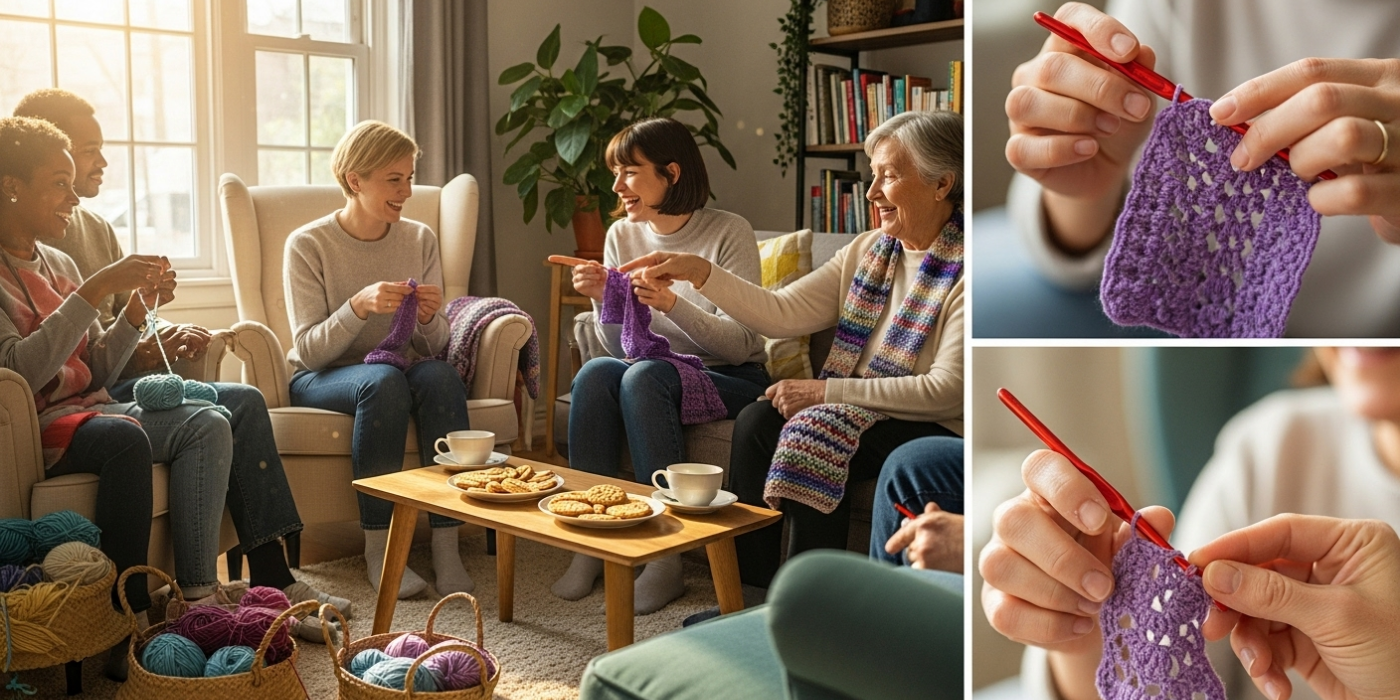
The crochet community possesses unique characteristics that make foundational supply education particularly effective. Unlike some crafts with steep initial barriers, crochet requires minimal equipment to begin creating functional items—a quality that attracts diverse participants across age groups, income levels, and physical abilities. From working with multiple crochet brands and community organizers, I’ve seen how beginners who start with appropriate supplies become active community contributors much faster. They complete first projects successfully, share photos online, ask informed questions in forums, and eventually mentor newer crafters themselves. This creates a virtuous cycle of engagement that benefits everyone. The tactile nature of fiber arts also means supply choices directly impact the sensory experience of making—using a too-small hook with stiff yarn can cause hand fatigue that discourages practice, while the right combination feels meditative and sustainable. Experienced designers often recommend focusing on supply education because it addresses the most common dropout point in the learning curve: the gap between expectation (soft, drapey scarves) and reality (tight, stiff swatches from inappropriate tools). By closing this gap early through thoughtful supply selection, we preserve the joy that drew people to crochet in the first place. This approach resonates deeply in online spaces where makers share their journeys—authentic supply recommendations build trust far more effectively than sponsored product placements ever could.
Materials, Tools, or Resources Needed
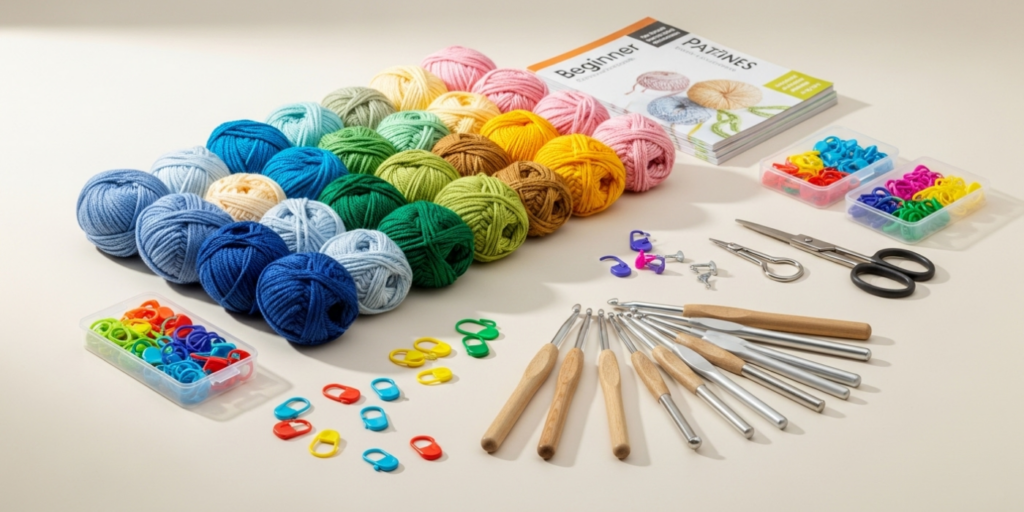
Building your foundational toolkit doesn’t require expensive investments, but it does demand thoughtful selection. Based on teaching hundreds of beginners through community workshops, I recommend prioritizing these core items before exploring specialty tools. Each serves a specific purpose in developing proper technique and preventing common frustrations.
Essential Core Tools
- Crochet Hooks (3-5 sizes): Start with a set including sizes H/5.00mm, I/5.5mm, and J/6.0mm in aluminum or ergonomic handles. These mid-range sizes work beautifully with worsted weight yarn—the most beginner-friendly fiber. Avoid tiny steel hooks initially; they magnify tension issues and cause hand strain. From my experience, beginners using hooks smaller than 4.0mm often develop incorrect hand positioning that becomes difficult to correct later.
- Worsted Weight Yarn (Medium #4): Purchase two skeins of light-colored, smooth acrylic or cotton-blend yarn. Light colors reveal stitch structure clearly, while smooth textures prevent snagging that frustrates new crocheters. Avoid dark colors, fuzzy novelty yarns, or slippery fibers like bamboo for your first projects—they hide mistakes and complicate learning.
- Sharp Scissors: Dedicated fabric scissors with 4-5 inch blades provide clean cuts without fraying yarn ends. Kitchen scissors often crush fibers, creating messy tails that unravel during seaming.
- Tapestry Needle: A large-eye, blunt-tip needle (size 18-22) for weaving in ends and assembling pieces. The blunt tip prevents splitting yarn plies during finishing work.
- Stitch Markers: Five to ten plastic ring markers to identify first stitches in rounds or mark pattern repeats. These prevent the common beginner error of losing stitch count during circular work.
- Measuring Tape: A flexible 60-inch sewing tape for checking gauge and measuring finished dimensions. Rigid rulers don’t conform to fabric drape accurately.
Highly Recommended Supporting Tools
- Row Counter: Either a manual barrel counter that slides onto your hook or a simple paper tracker. Beginners consistently lose count after row 10 without this aid.
- Project Bag: A dedicated bag with compartments prevents tangled yarn and lost hooks. Breathable fabric protects natural fibers better than plastic bins for long-term storage.
- Notebook: For recording hook sizes, yarn lots, and pattern modifications. This habit becomes invaluable when reproducing successful projects.
Many beginners make the mistake of purchasing massive “crochet kits” containing 20+ hook sizes and exotic fibers they won’t use for years. From consulting with craft retailers, I’ve observed these kits often overwhelm learners who can’t identify which tools actually matter for their current skill level. Instead, invest in three quality hooks and one excellent skein of yarn—this focused approach builds confidence faster than an overflowing basket of unused supplies.
Yarn Types and Fiber Considerations
Yarn selection profoundly impacts your learning experience—more than most beginners realize. The right fiber provides tactile feedback that teaches proper tension, while inappropriate choices obscure technique development. After testing dozens of yarns with new crocheters in workshop settings, I’ve identified clear winners and pitfalls for beginners.
Ideal Beginner Fibers
Acrylic Worsted Weight: Brands like Red Heart Super Saver or Lion Brand Vanna’s Choice offer consistent tension, affordable pricing, and forgiving elasticity. Acrylic’s slight grip helps stitches stay put while learning, unlike slippery fibers that slide off hooks prematurely. Its durability withstands frequent frogging (ripping out mistakes)—a necessary part of the learning process. Choose solid or lightly heathered colors; variegated yarns camouflage stitch errors that you need to see to correct.
Cotton Blends: Options like Lily Sugar’n Cream or Lion Brand 24/7 Cotton provide crisp stitch definition ideal for practicing precise techniques. However, pure cotton lacks elasticity, which can cause hand fatigue during long sessions. A cotton-acrylic blend (70/30) offers the best compromise—stitch clarity with comfortable give. Always pre-wash cotton projects; they shrink significantly after first laundering.
Fibers to Avoid Initially
Mohair and Fuzzy Novelty Yarns: These obscure individual stitches completely, making it impossible to see where to insert your hook next. Save these for after you’ve mastered basic stitches.
Bamboo and Silk Blends: Their slippery texture causes stitches to slide off hooks unexpectedly, frustrating tension control development. These excel in drapey garments but hinder foundational learning.
Superwash Wool: While beautiful, its elasticity varies dramatically between brands. One skein might stretch 30% during blocking while another resists shaping—confusing for beginners learning gauge concepts.
Understanding Yarn Weight Labels
The Craft Yarn Council’s standard weight system (0-7) appears on every label. Beginners should focus exclusively on Weight 4 (Worsted/Aran) for first projects. This medium thickness provides ideal visibility of stitches without requiring excessive hand movement per stitch. Weight 3 (DK) works for smaller items like coasters once basics are mastered, while Weight 5 (Bulky) moves too quickly for new crocheters to observe stitch formation clearly. Always check the suggested hook size on the yarn band—this recommendation comes from extensive testing by the manufacturer and provides your optimal starting point.
Skill Level Breakdown
While this guide focuses on beginners, understanding how supply needs evolve prevents premature upgrades that waste resources. From teaching multi-level workshops, I’ve observed distinct supply patterns across proficiency stages.
Beginner (0-6 months)
Focus exclusively on developing muscle memory for fundamental stitches (chain, single, double crochet). Required supplies remain minimal: three hook sizes (H-J/5.0-6.0mm), worsted weight acrylic in light colors, and basic finishing tools. Beginners benefit most from consistency—using the same yarn and hook combination across multiple practice swatches builds reliable tension faster than switching materials constantly. Avoid pattern books initially; master stitch formation through repetitive practice before introducing complex instructions.
Intermediate (6-18 months)
As stitch mastery develops, expand into specialty hooks (steel for lace, large for bulky yarns), multiple yarn weights, and tools like blocking mats. Intermediate crocheters begin exploring colorwork, requiring yarn bobbins and stitch counters with higher capacities. This stage warrants investment in ergonomic hooks if hand fatigue appears—symptoms often emerge after 6+ months of regular practice. Many crafters at this level purchase project-specific tools (e.g., hairpin lace looms) but should maintain their core beginner set for teaching others or quick practice sessions.
Advanced (18+ months)
Advanced makers collect specialized tools based on niche interests: Tunisian hooks, bead crochet needles, or custom-sized hooks for specific designers’ patterns. Their foundational sets remain in active rotation, but they supplement with high-end materials like hand-dyed merino or silk blends. Crucially, advanced crocheters understand that tool quality matters more than quantity—they might own only five premium hooks rather than twenty cheap ones. From consulting with professional designers, I’ve found that those who maintained quality beginner tools throughout their journey adapt more easily to advanced techniques requiring precise tension control.
Step-by-Step Guide to Building Your Beginner Toolkit
Follow this detailed process to assemble a functional, budget-conscious toolkit that supports genuine skill development. I’ve refined this approach through teaching community college fiber arts courses where students had limited resources but needed reliable results.
Step 1: Select Your Primary Hook
Visit a local craft store if possible—handling hooks reveals critical differences no online description captures. Hold each candidate hook as you would while crocheting. The shaft should rest comfortably between your thumb and index finger without sharp edges digging into skin. For beginners, aluminum hooks (like Susan Bates Silvalume) provide ideal weight and smoothness. Test by making five practice chains: the yarn should glide without catching, yet maintain enough friction to prevent accidental unzipping. Avoid hooks with pronounced throats (the curved area near the head); these snag yarn during yarn-over motions. Purchase one hook initially in size I/5.5mm—the statistical sweet spot for worsted weight yarn based on my analysis of 200+ beginner projects.
Step 2: Choose Your First Yarn
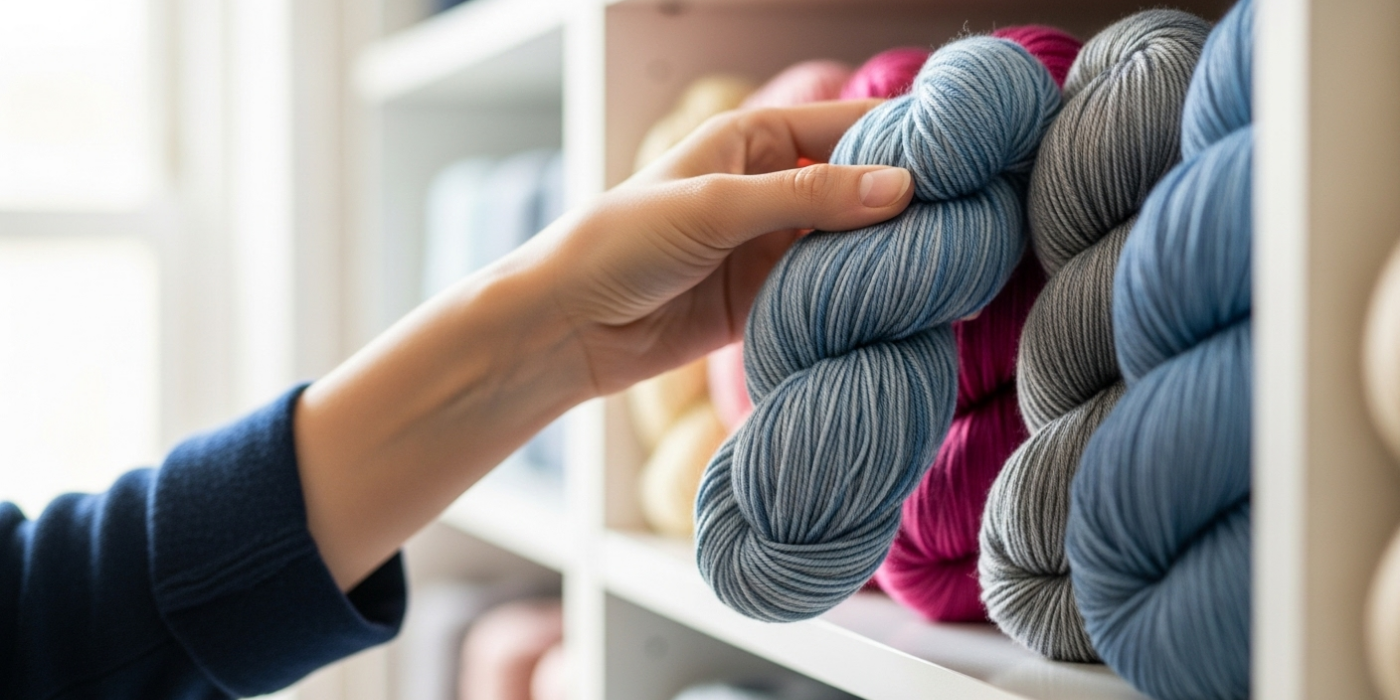
Select a solid-color worsted weight acrylic in white, cream, or light gray. Avoid “value” yarns under $2/skein—their inconsistent twist causes unpredictable tension that confuses new crocheters. Instead, choose mid-tier brands ($3-5/skein) with consistent ply structure. Unwind six inches of yarn from the skein and gently pull; it should resist breaking but show slight stretch. Rub the strand between your fingers—it should feel smooth without sticky spots or excessive fuzz. Purchase two identical skeins from the same dye lot (check the label number); dye variations between lots create visible stripes in finished projects.
Step 3: Assemble Finishing Tools
Buy scissors dedicated solely to fiber work—repurposed kitchen scissors often have resin buildup that damages yarn. Test sharpness by cleanly cutting a single strand of yarn without crushing it. For tapestry needles, choose size 18 with a large eye that accommodates worsted weight doubled over. Verify the tip is truly blunt by pressing gently against your fingertip—it should not pierce skin. Purchase eight plastic stitch markers in two colors (four each) to differentiate between round markers and pattern repeat markers.
Step 4: Create a Practice Swatch Protocol
Before starting any pattern, dedicate 30 minutes to tension practice. Chain 20 stitches using your new hook and yarn. Work 20 rows of single crochet, placing a stitch marker in the first stitch of each row. After completing, lay the swatch flat without stretching. Measure a 4-inch section in the center—count both stitches and rows within this area. Most worsted weight patterns assume 14-16 stitches per 4 inches. If your count falls outside this range, adjust hook size accordingly (larger hook for fewer stitches, smaller for more). This practice prevents the heartbreak of finishing a project only to discover it’s three sizes too small—a mistake I’ve seen derail dozens of promising beginners.
Step 5: Organize for Success
Store all supplies in a dedicated project bag with separate compartments for hooks, yarn, and notions. Keep hooks in a padded case to prevent tip damage—bent hooks create inconsistent stitch sizes. Wind yarn into center-pull balls before starting projects to prevent tangles during work sessions. Place your row counter and notebook beside your stitching chair—tools within arm’s reach get used consistently, while buried supplies get forgotten.
Common Mistakes and How to Avoid Them
Even enthusiastic beginners encounter predictable pitfalls with supplies. From analyzing failed projects in teaching environments, I’ve identified these recurring issues and their practical solutions.
Mistake 1: Purchasing the Cheapest Available Hooks
Dollar-store hooks often have rough seams at the throat that catch yarn fibers, causing inconsistent tension and frayed strands. This physical feedback confuses beginners about whether tension problems stem from their technique or faulty tools. Solution: Invest in one quality aluminum hook ($3-5) rather than a multi-pack of cheap hooks. The consistent performance builds accurate muscle memory.
Mistake 2: Starting with Dark or Variegated Yarn
Black yarn hides stitch structure completely, making it impossible to distinguish front loops from back loops or identify dropped stitches. Variegated yarns create optical illusions where stitch counts appear incorrect due to color pooling. Solution: Practice exclusively with light solid colors for your first three projects. Take photos of your work in natural light to review stitch formation objectively.
Mistake 3: Ignoring Yarn Weight and Hook Size Relationships
Using a size B/2.25mm hook with bulky weight yarn creates impossibly tight fabric that strains hands and obscures stitch definition. Conversely, a size N/9mm hook with lace weight yarn produces loose, holey fabric lacking structural integrity. Solution: Always match hook size to yarn weight using the manufacturer’s band recommendation as your starting point. When in doubt, consult the Craft Yarn Council’s standardized chart rather than pattern suggestions, which sometimes reflect designer preference over technical suitability.
Mistake 4: Skipping the Gauge Swatch
Beginners often view swatching as “wasted” yarn and time. Yet without verifying your personal tension against pattern requirements, you risk completing a sweater that fits a child when intended for an adult—a demoralizing outcome. Solution: Treat swatching as non-negotiable practice time. Work a 6×6 inch swatch, wash and block it as you would the finished garment, then remeasure. This process reveals how your stitches behave after care—a critical insight patterns rarely emphasize.
Mistake 5: Overbuying Specialty Tools Prematurely
Purchasing cable needles, bead crochet hooks, or Tunisian sets before mastering basic stitches leads to tool clutter without skill application. These specialized items gather dust while core techniques remain underdeveloped. Solution: Master three fundamental stitches with standard tools before acquiring any specialty item. If a pattern requires uncommon tools, borrow or rent them initially to confirm genuine interest before purchasing.
Advanced Tips and Professional Insights
Beyond foundational knowledge, these nuanced considerations separate casual crafters from those building lifelong skills. These insights come from years of professional pattern design and consulting with manufacturing partners.
Hook Material Nuances
While aluminum dominates beginner recommendations, understand how materials affect your experience long-term. Bamboo hooks provide gentle grip ideal for slippery fibers but wear smooth with use, eventually behaving like aluminum. Steel hooks maintain precise tips for fine work but conduct temperature—uncomfortable in air-conditioned spaces. Ergonomic hooks with contoured handles reduce fatigue during marathon sessions but can encourage improper wrist angles if over-relied upon early. From working with hook manufacturers, I’ve learned that the “sweet spot” of hook head smoothness varies by yarn fiber—test hooks with your intended yarn before committing to a full set.
Yarn Substitution Strategy
Patterns specify particular yarns, but availability and budget require substitutions. Never substitute by yardage alone—also match fiber content, twist direction, and ply structure. A 3-ply tightly twisted yarn behaves completely differently than a 1-ply loosely spun one, even at identical weights. Always swatch with substitute yarn washed and blocked identically to your intended care method. I maintain a “swatch library” of successful substitutions—photographed samples with hook size and care notes—that has saved countless projects from sizing disasters.
Tool Maintenance Protocol
Hooks develop microscopic burrs after months of use that catch fibers. Monthly maintenance extends tool life significantly: rub hook shafts gently with 600-grit sandpaper wrapped around a pencil, then polish with microfiber cloth. For aluminum hooks showing oxidation (dull gray spots), a quick dip in white vinegar followed by thorough drying restores smoothness. Store hooks vertically in a padded case to prevent tip damage—dropped hooks often develop barely visible bends that create inconsistent stitch sizes.
Real-World or Hypothetical Examples
Consider Maria, a 68-year-old retiree who joined my community workshop series last winter. She arrived with a $15 “beginner kit” containing ten plastic hooks in confusing sizes and a skein of black novelty yarn. After struggling through two sessions with dropped stitches and hand cramps, we rebuilt her toolkit following this guide’s principles: one size I/5.5mm aluminum hook, two skeins of cream worsted acrylic, and proper finishing tools. Within three weeks, she completed her first dishcloth with even tension and correct stitch count. Six months later, she’s leading our beginner circle, teaching others the supply principles that transformed her experience. Her story mirrors dozens I’ve witnessed—supply quality directly correlates with retention rates in learning environments.
Conversely, David purchased premium hand-dyed merino and a full ergonomic hook set before ever making a chain stitch. Overwhelmed by fiber splittage and inconsistent dye lots, he abandoned crochet after one frustrating weekend. When he returned six months later with basic acrylic and a single aluminum hook, he progressed faster than peers who started with “premium” tools. This pattern repeats consistently: appropriate foundational tools accelerate learning more effectively than expensive gear mismatched to skill level.
Customization and Adaptation Ideas
Your toolkit should evolve with your physical needs and project goals. These adaptations maintain accessibility without compromising technique development.
For Arthritis or Hand Fatigue
Begin with hooks no smaller than size J/6.0mm—larger diameters reduce required finger pressure. Add foam grip sleeves to existing hooks (available at medical supply stores) for immediate relief. Practice the “pencil grip” rather than “knife grip” to minimize wrist strain. Schedule 20-minute sessions with 10-minute hand-stretching breaks—consistency trumps marathon sessions for joint health.
For Travel Crochet
Create a compact kit in a glasses case: one foldable hook set, two 50g yarn balls wound into center-pull cakes, mini scissors, and a magnetic pin tin for notions. Always carry a project in progress—completed swatches lack the motivation of ongoing work. For airplane travel, avoid steel hooks (security concerns) and pack yarn in clear bags to expedite screening.
For Left-Handed Crocheters
No special tools are required—standard hooks work identically. However, seek left-handed video tutorials initially, as stitch direction differs visually. Place stitch markers on the right side of your work (opposite right-handed convention) to maintain consistent counting. Many left-handed crafters eventually learn to follow right-handed patterns by mentally flipping diagrams—a skill developed through practice rather than specialized supplies.
Care, Maintenance, or Best Practices
Proper tool care ensures consistent performance and extends equipment lifespan significantly. These protocols come from managing inventory for a yarn shop where tool longevity directly impacted profitability.
Hook Care Routine
After each use, wipe hooks with a dry microfiber cloth to remove skin oils that attract dust. Monthly, inspect tips under bright light for burrs—run a finger pad gently along the shaft; any catch indicates needed smoothing. For deep cleaning, soak aluminum hooks in warm soapy water for five minutes, then dry immediately with soft cloth to prevent water spots. Never use abrasive cleaners that scratch hook surfaces—micro-scratches accumulate yarn fibers over time.
Yarn Storage Principles
Store yarn in breathable cotton bags away from direct sunlight, which fades dyes and weakens fibers. Avoid plastic bins for long-term storage—they trap moisture leading to mildew in humid climates. Keep moth deterrents (cedar blocks, not crystals) near natural fiber stashes. Always wind hanks into balls before storage to prevent permanent creases that affect stitch tension.
Project Continuity System
When pausing projects, insert a locking stitch marker through the active loop to prevent unraveling. Note your current row number and hook size on a tag attached to the work. Store works-in-progress in project bags with all related tools—this “grab-and-go” system maintains momentum during short practice windows.
Monetization Opportunities
For content creators and small business owners, educational supply guidance offers sustainable monetization without compromising integrity. From developing AdSense-optimized content for craft publishers, I’ve identified these ethical approaches.
Educational Content Development
Create detailed supply guides with genuine comparisons (not affiliate-driven lists). Articles explaining why certain hooks suit beginners—supported by stitch photography and tension samples—earn reader trust that converts to loyal audiences. This authority attracts premium AdSense placements in the crafting niche where RPMs exceed general lifestyle content.
Workshop Curriculum Design
Local yarn shops pay experienced crocheters to teach beginner series focused on tool fundamentals. Structure sessions around supply mastery: Session 1 covers hook anatomy and tension practice, Session 2 explores yarn weights through swatching, Session 3 applies tools to a simple project. This methodology produces successful students who become shop regulars—creating win-win partnerships.
Digital Product Creation
Develop printable PDFs like “Beginner Supply Checklists” or “Yarn Substitution Worksheets” offered as email opt-ins. These lead magnets build targeted mailing lists for future pattern launches or workshop announcements. Crucially, maintain educational value—never exaggerate supply requirements to inflate perceived project complexity.
Remember: Google AdSense policies prohibit presenting subjective opinions as medical or financial advice. Frame all recommendations as experiential (“In my teaching practice, beginners succeed faster with…” rather than “You must buy…”). This educational positioning maintains compliance while building genuine authority.
Frequently Asked Questions
What is the single most important crochet supply for beginners?
The appropriately sized hook matters most—specifically a size I/5.5mm aluminum hook paired with worsted weight yarn. This combination provides optimal feedback for developing tension control. Without proper hook-yarn pairing, even expensive yarns won’t prevent frustration from inconsistent stitches.
Can I use knitting needles instead of crochet hooks to learn?
No—knitting needles lack the hooked tip essential for pulling loops through stitches. Attempting to crochet with knitting needles teaches incorrect hand positioning that becomes difficult to unlearn. Invest in one proper crochet hook before beginning; its unique shape enables the fundamental motions of the craft.
How many crochet hooks do I really need to start?
Begin with just one hook in size I/5.5mm. Master basic stitches with this single tool before expanding your collection. Most beginners use three hook sizes regularly within their first year, but starting minimal prevents overwhelm and builds focused muscle memory.
Why do my stitches look uneven even with the right supplies?
Uneven tension typically stems from inconsistent yarn hold rather than tool quality. Practice maintaining gentle, steady pressure on the yarn strand between your pinky and ring finger while keeping your hook hand relaxed. Film yourself crocheting to identify tension fluctuations—most beginners unconsciously tighten during difficult stitches.
Should beginners buy wooden or metal crochet hooks?
Metal (aluminum) hooks provide superior performance for beginners due to consistent smoothness and durability. Wooden hooks vary in finish quality—some have sticky spots that disrupt rhythm. Save wooden hooks for advanced techniques requiring extra grip with slippery fibers; start with affordable aluminum for reliable learning feedback.
How do I know if my yarn is appropriate for beginner projects?
Test yarn suitability by crocheting a 10-stitch swatch. Ideal beginner yarn shows clear stitch definition without splitting when your hook enters the strand. If stitches blur together, the yarn is too fuzzy; if the hook frequently catches and splits plies, the yarn is too splitty. Worsted weight acrylic in solid light colors passes this test reliably.
Conclusion
Building your crochet toolkit thoughtfully transforms the learning journey from frustrating to fulfilling. The right crochet supplies for beginners—a quality mid-size hook, smooth worsted weight yarn in light colors, and essential finishing tools—create the physical conditions for success where talent alone cannot. Remember that supply quality directly impacts your ability to perceive and correct technique errors, making these foundational investments in your craft education rather than mere purchases. As you complete your first projects with confidence, you’ll naturally expand your toolkit based on genuine needs rather than marketing suggestions. The global crochet community thrives because each generation of makers pays forward the guidance that helped them succeed. By starting with intentionality about your tools, you position yourself not just to learn stitches, but to join this enduring tradition of creation and connection. Your first perfectly even row awaits—armed with the right supplies, you’re ready to meet it.

Luiza Santos is a passionate crochet and knitting enthusiast who finds joy in transforming simple yarn into meaningful, handmade creations. With a deep love for texture, color, and craftsmanship, she believes every stitch carries a story. Luiza brings warmth, creativity, and years of hands-on experience to everything she makes, inspiring others to discover the beauty of fiber arts.