
You love crocheting. People keep telling you, “You should sell this!” So you open an Etsy shop or post on Instagram—and suddenly, you’re flooded with custom order requests. At first, it’s exciting. But soon, you’re overwhelmed: missed deadlines, unclear requests, last-minute changes, and that sinking feeling that your hobby is turning into a second job you didn’t sign up for.
Sound familiar?
You’re not alone. Over 60% of new crochet sellers report burnout within their first year—not because they lack skill, but because they lack systems. The good news? Handling custom orders doesn’t have to be stressful. With clear boundaries, smart workflows, and a few proven strategies, you can turn commissions into a joyful, sustainable part of your craft.
In this guide, you’ll learn exactly how to manage custom crochet orders without sacrificing your time, sanity, or creativity. We’ll cover everything from setting expectations upfront and pricing fairly, to managing timelines, handling difficult clients, and even knowing when to say “no.” Whether you’re making baby blankets, amigurumi, or wedding shawls, these tips will help you build a business that supports your life—not the other way around.
Why Custom Orders Feel Overwhelming (And How to Fix It)
Custom orders become stressful when expectations aren’t aligned—yours and your client’s. A client might assume a blanket takes “a weekend,” while you know it takes 20+ hours of careful stitching. Or they might request “just a small change” that unravels your entire design.
The root cause? Lack of structure. Unlike ready-to-ship items, custom work is collaborative—and collaboration needs rules.
Real-life example: Maya, a part-time crocheter, accepted a custom unicorn amigurumi order with vague instructions. Halfway through, the client asked for wings, a glitter horn, and size changes—none of which were discussed upfront. Maya spent double the time, earned half the hourly rate, and felt resentful.
The fix isn’t working harder—it’s working smarter. By setting clear policies from the start, you protect your time, energy, and artistry.
Step 1: Set Clear Policies (Before You Accept a Single Order)
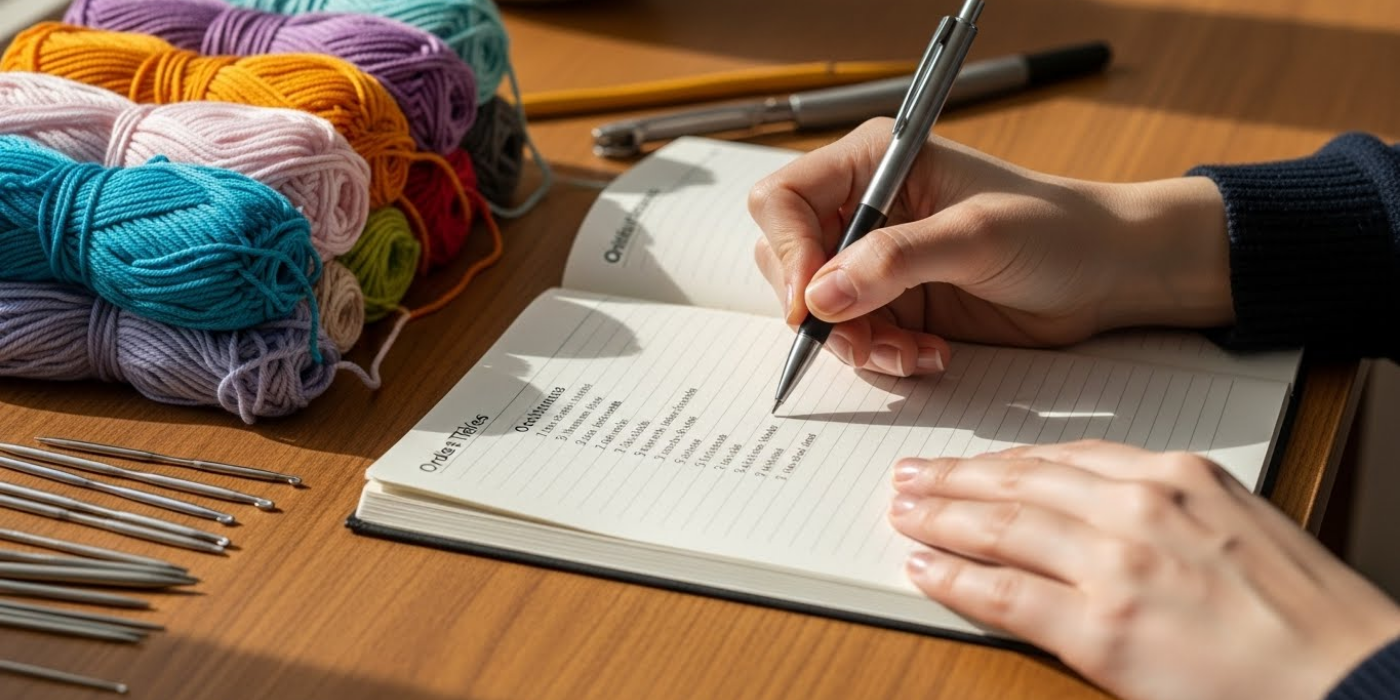
Your policies are your peace of mind. They’re not rude—they’re professional. Post them on your website, Etsy shop, or Instagram bio, and refer to them in every conversation.
Essential Policies to Include:
✅ Order Timeline:
“Custom orders take 3–4 weeks from approval to shipment. Rush orders are not accepted.”
✅ Design Approval Process:
“I’ll send a sketch or color mock-up for your approval before I begin stitching. One round of minor changes is included.”
✅ Payment Terms:
“50% deposit required to start; balance due before shipping.”
✅ No-Refund Policy for Custom Work:
“Because custom items are made to your specifications, they are non-refundable. I guarantee quality—if there’s a flaw, I’ll fix it.”
✅ Communication Window:
“I respond to messages within 48 business hours.”
Pro tip: Use a simple Google Form for custom inquiries. Include fields for: project type, colors, deadline, and budget. This filters unserious requests and gathers all info in one place.
By setting boundaries early, you attract clients who respect your process—and gently discourage those who don’t.
Step 2: Price Your Work Fairly (Without Guilt)
Many crocheters undercharge because they feel “it’s just yarn” or “I enjoy doing it.” But your time, skill, and materials have real value.
How to Calculate a Fair Price:
- Materials: Cost of yarn, stuffing, safety eyes, etc.
- Time: Estimate hours × your hourly rate (even if it’s just $10–$15/hour to start).
- Overhead: Packaging, labels, shipping supplies (~10% of total).
Example:
- Materials: $8
- Time: 5 hours × $12 = $60
- Overhead: $7
Total: $75
Never charge only by materials—you’re not just selling yarn. You’re selling precision, patience, and artistry.
Script for clients who say “That’s expensive!”:
“I understand! Handmade items take significant time and care. My price reflects the quality and attention I put into every stitch. I’d be happy to adjust the design to fit your budget—like using a simpler pattern or fewer colors.”
Remember: Clients who balk at fair pricing are not your ideal customers. You want buyers who value your work.
Step 3: Streamline Your Workflow (From Inquiry to Delivery)
A smooth process reduces stress and mistakes. Here’s a simple system:
📝 1. Inquiry → Quote
- Use your Google Form.
- Respond within 24–48 hours with a quote and timeline.
💳 2. Deposit & Approval
- Send an invoice (via PayPal, Square, or Etsy).
- Do not start until deposit is paid.
- Share a sketch or color palette for approval.
🧶 3. Crochet with Buffer Time
- Build in 2–3 extra days for unexpected delays (life happens!).
- Take progress photos—you can use them for marketing!
📦 4. Final Payment & Shipping
- Send a final invoice when the item is complete.
- Ship with tracking, and notify the client immediately.
Tool recommendation: Use Wave Apps (free) or QuickBooks Self-Employed to track income, expenses, and invoices.
This structure keeps you organized and builds trust—you’re not just a maker, you’re a reliable small business.
Step 4: Handle Difficult Situations with Grace
Even with perfect systems, issues arise. Here’s how to navigate them calmly.
❌ “Can you make it by tomorrow?”
Response: “I wish I could! My current turnaround is [X weeks]. If you’d like to reserve a spot for future orders, I’d be happy to!”
❌ “I changed my mind about the color.”
Response: “I can swap colors before I begin stitching at no extra cost. If I’ve already started, a $10 change fee applies to cover wasted materials.”
❌ “It’s not what I pictured.”
Response: “I’m so sorry it missed the mark. To avoid this next time, could we have been clearer on [specific detail]? I stand by my work—if there’s a flaw, I’ll repair or replace it.”
Golden rule: Stay kind, but firm. You’re not responsible for managing a client’s expectations—you’re responsible for honoring your stated terms.
And if a client is rude, demanding, or refuses to pay? It’s okay to walk away. Your mental health is worth more than one sale.
Step 5: Know When to Say “No”
Not every order is a good fit—and that’s okay. Saying “no” protects your energy for the right clients.
Red Flags to Watch For:
- They refuse to pay a deposit
- They demand constant updates (“Is it done yet?” daily)
- They want you to copy a copyrighted design (e.g., Disney characters)
- Their budget is far below your minimum
Polite “no” script:
“Thank you so much for thinking of me! I’m not taking custom orders that match this scope right now, but I’d love to make you one of my ready-to-ship items instead.”
Remember: Every “no” to a bad fit is a “yes” to your peace, creativity, and ideal customer.
Bonus: Turn Custom Orders into Marketing Gold
Custom work isn’t just income—it’s free advertising. With permission, share your process:
- Post WIP (work-in-progress) photos on Instagram Stories
- Create a Reel showing “before (sketch) → after (finished piece)”
- Ask happy clients for testimonials
Example: A photo of a custom baby blanket with the caption:
“Made with love for baby Liam! 🧶 Want something special for your little one? Custom orders open for April!”
This builds trust, showcases your skill, and attracts clients who already believe in your work.
Final Thoughts: Make Custom Orders Work for You—Not Against You
Custom crochet orders can be deeply fulfilling. There’s magic in creating something unique that brings joy to someone’s life. But that magic shouldn’t come at the cost of your well-being.
By setting boundaries, pricing fairly, and building simple systems, you transform stress into sustainability. You’ll spend less time managing chaos—and more time doing what you love: crocheting with joy.
So take a deep breath. Update your policies. Trust your worth. And remember: you’re not just selling stitches—you’re sharing your art with the world.
Now we’d love to hear from you! Have you taken custom orders before? What’s your biggest challenge? Share your tips, questions, or “lesson learned” stories in the comments—your experience might be the exact encouragement another crocheter needs to build a business they love! 🧶✨

Luiza Santos is a passionate crochet and knitting enthusiast who finds joy in transforming simple yarn into meaningful, handmade creations. With a deep love for texture, color, and craftsmanship, she believes every stitch carries a story. Luiza brings warmth, creativity, and years of hands-on experience to everything she makes, inspiring others to discover the beauty of fiber arts.