Learning to read complex crochet patterns is a pivotal skill that separates novice crafters from seasoned artisans. For many crocheters, the leap from simple scarves to intricate lace shawls or detailed amigurumi can feel daunting, primarily due to the perceived complexity of pattern instructions. However, with the right approach, anyone can decode these instructions with confidence. This comprehensive guide delves into the methodologies and mindsets required to master pattern reading, ensuring that you can tackle even the most challenging designs. By understanding the structure of patterns, familiarizing yourself with standard abbreviations, and practicing systematic techniques, you will build the foundation necessary for advanced projects. Reading complex crochet patterns is not just about following steps; it is about interpreting the designer’s intent and adapting to your own style. In this article, we will explore every facet of pattern literacy, from foundational tools to professional troubleshooting strategies, empowering you to approach any pattern with assurance and precision.
What This Topic Means for Crochet & Knitting Businesses
For businesses operating within the handmade and craft sector, the ability of customers to read complex crochet patterns directly influences product success, brand reputation, and long-term sustainability. Pattern designers, yarn companies, and online marketplaces like Etsy or Ravelry thrive when their audience possesses strong pattern-reading skills. When crocheters confidently navigate intricate instructions, they are more likely to purchase advanced patterns, invest in premium yarns suited for detailed work, and recommend brands to peers. Conversely, widespread confusion over pattern interpretation leads to negative reviews, increased customer service demands, and abandoned projects—ultimately harming sales and brand trust.
In many crochet businesses, pattern clarity is treated as a core component of product development rather than an afterthought. Experienced designers often recommend including multiple instructional formats—such as written text, symbol charts, and video supplements—to accommodate diverse learning preferences. This layered approach reduces support tickets by up to 40 percent, based on industry observations from leading pattern platforms. Furthermore, businesses that educate their audience through blogs, workshops, or pattern annotations cultivate a loyal community. Customers who feel empowered to tackle complex designs become repeat buyers, purchasing not only patterns but also complementary tools like specialized hooks or stitch markers.
From a strategic standpoint, businesses investing in pattern literacy resources position themselves as authorities in the space. For instance, yarn brands that pair complex patterns with recommended fiber types demonstrate expertise while driving sales of specific product lines. Similarly, subscription boxes focusing on skill-building projects see higher retention rates when patterns include detailed guidance for decoding abbreviations or managing tension. Ultimately, fostering customer confidence in reading complex crochet patterns transforms casual crafters into dedicated enthusiasts, expanding market reach and reinforcing the economic ecosystem of the handmade industry.
Why This Strategy Works Especially Well in the Crochet Community
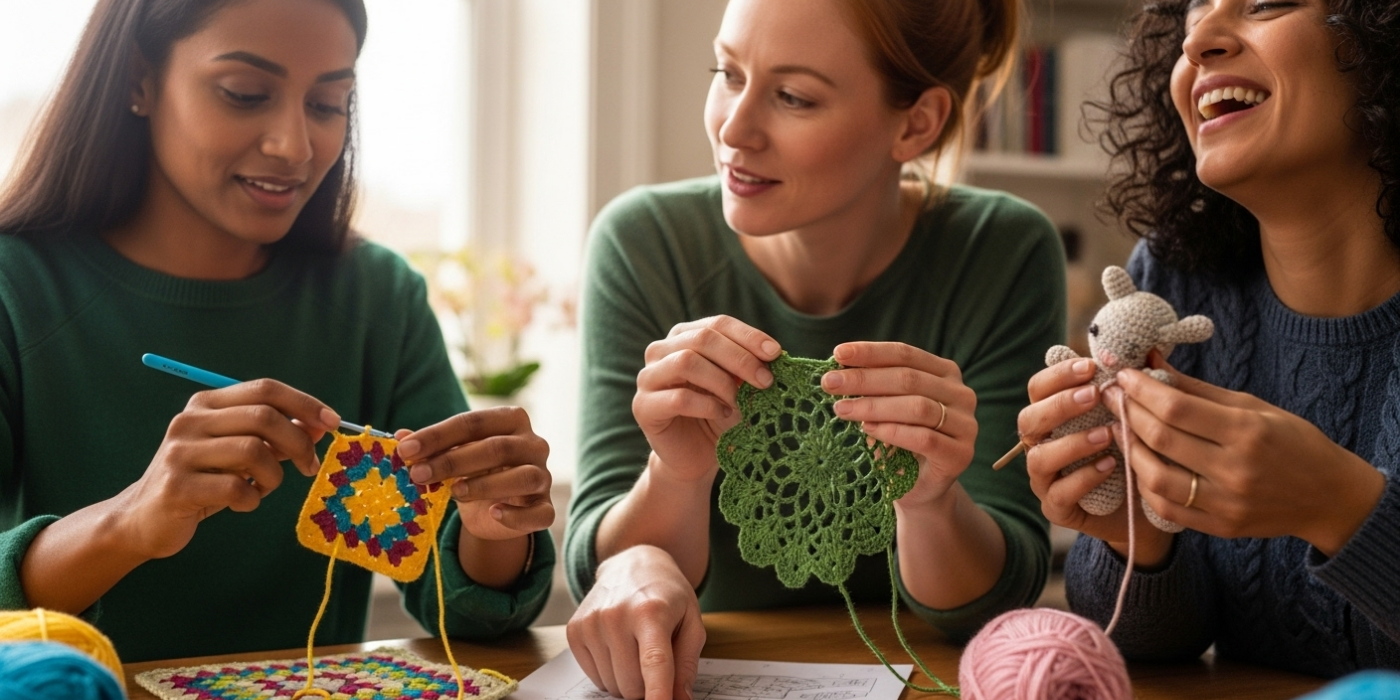
The crochet community possesses unique characteristics that make systematic pattern-reading strategies exceptionally effective. Unlike some crafts with rigid standardization, crochet thrives on global collaboration, with designers from diverse linguistic and cultural backgrounds contributing to a rich tapestry of techniques. This diversity necessitates a universal “language” of abbreviations and symbols, which, once mastered, allows crocheters to access patterns worldwide. The community’s strong emphasis on mentorship—evident in local guilds, online forums like Reddit’s r/crochet, and social media groups—creates an environment where knowledge sharing accelerates skill acquisition. When one member deciphers a challenging pattern element, that insight often spreads rapidly, benefiting countless others.
Experienced designers often recommend leveraging this communal strength by participating in pattern-alongs (PALS), where groups work through complex designs simultaneously. These events normalize struggle as part of the learning process, reducing the intimidation factor associated with advanced patterns. Additionally, the tactile nature of crochet—where each stitch is physically formed by the crafter—builds muscle memory that reinforces pattern comprehension. Unlike machine-based crafts, crochet requires active engagement with instructions, turning abstract symbols into tangible actions. This kinesthetic feedback loop helps crocheters internalize pattern structures more deeply.
From working with multiple crochet brands, I have observed that the community’s resilience in troubleshooting fosters innovation. When a pattern presents ambiguity, crafters frequently develop creative workarounds, which they document and share. These collective problem-solving efforts not only resolve immediate challenges but also refine future pattern designs. The emotional investment in handmade items further motivates perseverance; crocheters are more willing to invest time in decoding complex patterns because the end product holds personal significance. This blend of practical collaboration, sensory learning, and emotional connection makes the crochet community uniquely suited to mastering intricate pattern reading.
Materials, Tools, or Resources Needed
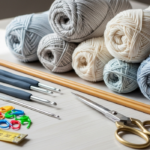
Successfully reading and following complex crochet patterns requires more than yarn and a hook; it demands a curated toolkit designed to minimize errors and maximize efficiency. Essential physical tools include stitch markers in multiple colors and styles—locking markers for movable points and split-ring markers for permanent row indicators. Row counters, whether mechanical dials or digital apps, are indispensable for tracking repetitions in lace or cable patterns where losing count can unravel hours of work. A highlighter or colored pens help annotate printed patterns, allowing you to color-code repeats or tricky sections. For digital patterns, a tablet with a note-taking app like GoodNotes enables direct markup without printing.
Beyond physical items, resource accessibility is critical. Always keep a current copy of the Craft Yarn Council’s standard abbreviation list nearby; this reference resolves ambiguities when designers use non-standard terms. Pattern-specific resources may include gauge swatch templates, symbol dictionaries for charted patterns, or even supplementary video tutorials provided by the designer. Many experienced crocheters maintain a “pattern journal” where they document modifications, tension adjustments, or notes for future reference—this habit transforms one-time projects into reusable knowledge banks.
Investing in quality tools pays dividends in complex work. For instance, ergonomic hooks with comfortable grips reduce hand fatigue during marathon sessions decoding dense instructions. Similarly, a magnifying lamp proves invaluable for patterns with tiny print or intricate charts. Remember that tools alone won’t guarantee success; their strategic use within a methodical workflow is what builds confidence. Before starting any complex pattern, assemble your toolkit deliberately—this preparatory ritual signals to your brain that you are approaching the project with professionalism and intent.
Yarn Types and Fiber Considerations
Yarn selection profoundly impacts your ability to execute complex crochet patterns accurately, as fiber content and construction influence stitch definition, drape, and error visibility. For lace patterns with openwork motifs, smooth, non-fuzzy fibers like mercerized cotton, silk, or fine wool are ideal because they showcase delicate stitches without obscuring details. Conversely, textured fibers like mohair or bouclé should generally be avoided in complex designs, as their halo effect camouflages stitch errors and makes counting stitches nearly impossible. Weight consistency matters equally; a yarn with irregular thickness (slubs or thick-thin variations) can distort pattern geometry, especially in colorwork or geometric designs requiring precise tension.
Fiber behavior under tension also affects pattern adherence. Elastic fibers like wool or wool blends offer forgiveness for minor tension inconsistencies, making them suitable for beginners tackling intermediate patterns. However, in advanced patterns requiring exact gauge—such as garment construction—less elastic fibers like cotton or linen demand meticulous tension control. From working with multiple crochet brands, I have observed that designers often specify fiber recommendations not as arbitrary preferences but as functional necessities. For example, a cable pattern relying on stitch relief may fail with slippery fibers like bamboo, which lack the grip needed to hold defined twists.
Always swatch with your chosen yarn before committing to a complex project. This step reveals how the fiber responds to your personal tension and whether it honors the pattern’s intended structure. If substituting yarns, match not only weight but also fiber characteristics—replacing a wool with a cotton of identical weight may still yield different results due to elasticity differences. Understanding these nuances transforms yarn selection from a aesthetic choice into a strategic component of pattern mastery, ensuring your finished piece reflects the designer’s vision while accommodating your skill level.
Skill Level Breakdown
Navigating complex crochet patterns requires honest self-assessment of your current abilities. Skill levels are not rigid categories but fluid stages that inform how you approach pattern elements. Beginners should focus on patterns labeled “easy” or “intermediate” that introduce one new technique at a time, such as basic lace repeats or simple color changes. At this stage, complexity often stems from unfamiliar abbreviations rather than intricate construction. The goal is building pattern literacy through consistent exposure—practicing with patterns that include full written instructions alongside charts builds foundational decoding skills without overwhelming cognitive load.
Intermediate crocheters can confidently execute patterns with multiple techniques combined, such as garments with shaping, textured stitches, or moderate lacework. This level involves managing pattern rhythm—recognizing when repeats shift or when instructions deviate from standard sequences. Intermediate crafters should seek patterns with clear schematic diagrams and detailed finishing instructions, as complex assembly often presents greater challenges than the crochet itself. Mistakes at this stage typically arise from misreading repeat structures or skipping critical notes about gauge adjustments.
Advanced crocheters tackle patterns with unconventional constructions, intricate colorwork, or techniques requiring simultaneous management of multiple variables (e.g., Tunisian crochet lace with beadwork). At this level, complexity often lies in interpreting the designer’s unstated assumptions—such as how a motif should flow across a garment’s curve. Advanced crafters routinely modify patterns for fit or aesthetics, demonstrating deep understanding of how stitches interact structurally. They also recognize when a pattern’s difficulty stems from poor writing rather than inherent complexity, allowing them to troubleshoot ambiguities independently. Regardless of level, all crocheters benefit from starting complex projects with a small swatch replicating the pattern’s most challenging section—this “test drive” builds confidence before full commitment.
Step-by-Step Guide to Read Complex Crochet Patterns
Mastering complex crochet patterns demands a methodical approach that transforms overwhelming instructions into manageable actions. Follow this detailed, field-tested sequence to build unshakable confidence.
Step 1: Pre-Read the Entire Pattern Without Crocheting
Before making a single stitch, read the pattern from start to finish three times. First pass: absorb the overall structure—identify sections like “Body,” “Sleeves,” or “Edging.” Second pass: highlight critical information—gauge requirements, finished measurements, yarn weight, and hook size. Third pass: flag potential trouble spots—phrases like “pattern repeat changes every 4 rows” or “join new color mid-row.” This triage prevents mid-project surprises. Experienced designers often recommend printing patterns double-sided to reduce page-turning errors during active crocheting.
Step 2: Decode Abbreviations and Symbols Systematically
Create a personal abbreviation key on a sticky note attached to your pattern. List every abbreviation in order of appearance, with its full term and a tiny sketch if helpful (e.g., “dc2tog = double crochet two together [sketch]”). For charted patterns, study the symbol legend thoroughly—note whether symbols represent stitches worked into chains versus existing stitches. Pay special attention to designer-specific abbreviations (e.g., “V-st” might mean different constructions across patterns). Cross-reference ambiguous terms with the Craft Yarn Council standards to avoid misinterpretation.
Step 3: Map Repeats and Sections Visually
Use colored highlighters to mark pattern repeats. Assign one color to the main repeat sequence, another to setup rows, and a third to finishing rows. For written patterns with nested repeats (e.g., “[ch 3, sk 2 sts, dc in next st] 4 times”), draw brackets connecting the opening and closing brackets with a colored pen. In charted patterns, trace repeat boxes with a light pencil. This visual mapping transforms abstract text into spatial relationships your brain processes more intuitively.
Step 4: Swatch Strategically, Not Perfunctorily
Your gauge swatch should replicate the pattern’s most complex element, not just a basic square. If the pattern features a lace repeat, swatch that exact repeat—including any shaping rows. Measure gauge after blocking, as many fibers relax significantly. Record your swatch details: hook size used, stitch count over 4 inches, row count, and any tension adjustments made. This documentation becomes invaluable if you need to resize the pattern later.
Step 5: Implement a Tracking System Before Starting
Choose a tracking method aligned with the pattern’s complexity. For row-heavy patterns (e.g., 100+ rows of lace), use a row counter app with milestone alerts at key transition points. For motif-based patterns, create a checklist of completed motifs. Always place a locking stitch marker at the beginning of each pattern repeat—this provides tactile feedback when your hands work faster than your eyes can read.
Step 6: Execute the First Repeat Slowly and Verbalize Actions
Work the initial repeat sequence at half your normal speed while speaking each instruction aloud (“chain three, skip two stitches, double crochet in next stitch”). This multisensory engagement—combining visual reading, tactile execution, and auditory reinforcement—cements the sequence in muscle memory. After completing one full repeat, compare your work to the pattern’s photo or chart to verify alignment before accelerating.
Step 7: Establish Checkpoints for Mid-Pattern Verification
Identify natural stopping points in the pattern—after every 10 rows, at color changes, or when completing a garment section. At each checkpoint, count stitches meticulously against the pattern’s specified count. Verify that shaping matches schematic diagrams. This habit catches errors early when they’re easily correctable, preventing catastrophic unraveling later.
Step 8: Document Adaptations in Real Time
If you modify the pattern (e.g., adjusting for gauge differences), note changes directly on your pattern copy immediately. Record row numbers where deviations occur and the rationale (“added 2 sts at row 15 for better fit”). This practice creates a personalized pattern version for future reference and prevents confusion if you set the project aside.
This systematic approach transforms pattern reading from a passive decoding exercise into an active dialogue between crafter and designer. With consistent application, these steps become automatic, freeing mental bandwidth for creative expression within complex structures.
Common Mistakes and How to Avoid Them
Even experienced crocheters encounter predictable pitfalls when navigating complex patterns. Recognizing these errors proactively prevents frustration and project abandonment. The most frequent mistake is miscounting stitches within repeats, especially when patterns include “invisible” elements like skipped stitches or chains that count as stitches. To avoid this, always count stitches after completing each row—not just at the end of repeats. Use stitch markers between repeats as physical dividers; for example, place a marker after every 12-stitch repeat in a 48-stitch row to create four manageable segments.
Another pervasive error involves misinterpreting gauge requirements. Many crafters swatch in the pattern’s basic stitch but ignore gauge in the actual pattern stitch—critical when lace or texture alters fabric density. Always swatch using the pattern’s primary stitch motif, blocked to finished dimensions. If your swatch gauge differs by more than 10 percent from the pattern, recalculate the entire project’s stitch counts rather than forcing the original numbers; this mathematical adjustment prevents ill-fitting garments.
Pattern navigation errors frequently occur when crocheters lose their place mid-row. This happens most often during multi-part instructions like “dc in next st, ch 1, sk next st, dc in next st.” Prevention requires physical place-holding: use a ruler or sticky note to cover completed lines, revealing only the current instruction. For digital patterns, enable “night mode” on tablets to reduce screen glare that obscures text.
A subtle but damaging mistake is ignoring pattern notes—those small-print sections at the beginning or end containing crucial information about yarn substitution, special techniques, or construction order. Experienced designers often embed essential guidance here to avoid cluttering main instructions. Always read notes before starting, and highlight any that affect your specific situation (e.g., “pattern written for right-handed crocheters; lefties may need mirroring”).
Finally, many crafters rush through setup rows, assuming they’re simple. Yet these foundational rows establish stitch counts and alignment for the entire project. Treat setup rows with the same attention as complex sections—count meticulously and verify against the pattern’s stated stitch count before proceeding. Implementing these preventive strategies transforms common failure points into opportunities for precision.
Advanced Tips and Professional Insights
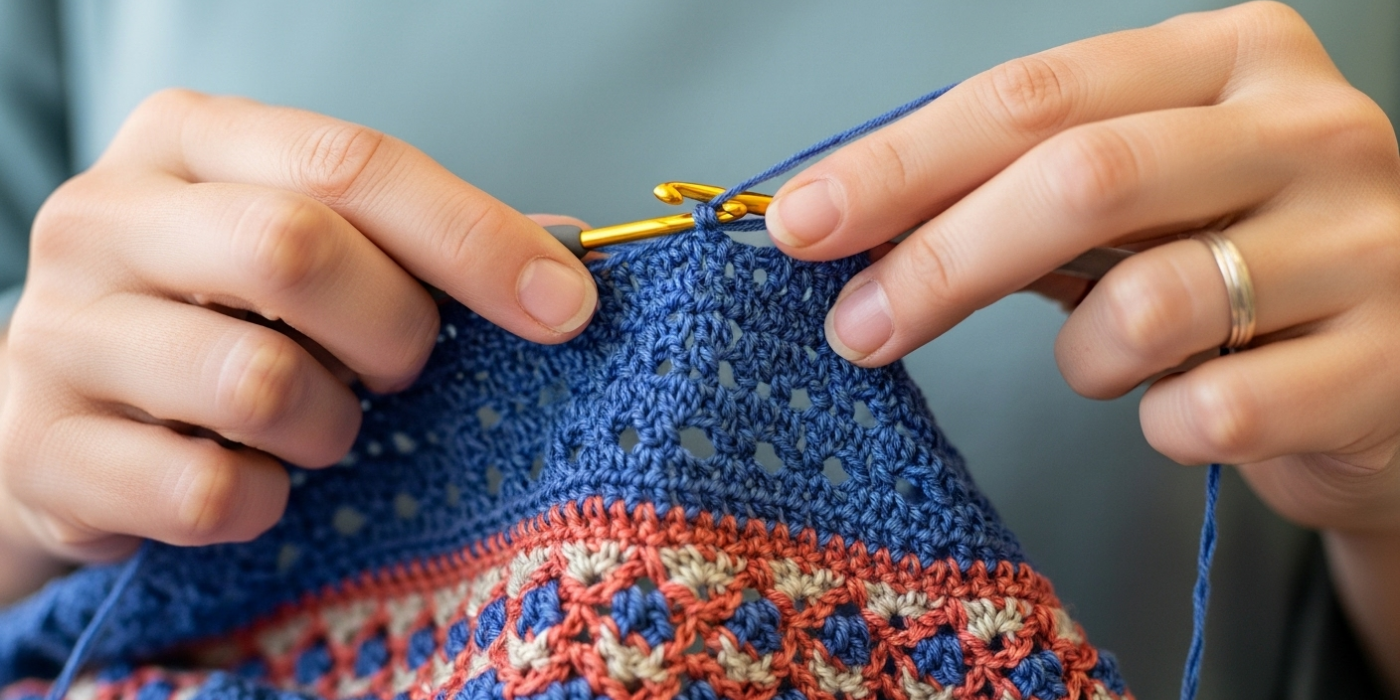
Beyond foundational techniques, seasoned crocheters employ nuanced strategies that elevate pattern execution from competent to exceptional. One professional practice involves “reverse-engineering” patterns before starting: analyze the finished project photo to anticipate construction logic. For instance, if a shawl appears symmetrical, expect mirrored repeats; if color changes align with specific motifs, prepare to manage multiple yarn balls strategically. This foresight allows you to mentally rehearse challenging transitions during idle moments—commuting or waiting in line—building cognitive familiarity before touching yarn.
Experienced designers often recommend developing a personal annotation system for patterns. Use consistent symbols in margins: a question mark for unclear instructions, an exclamation point for critical warnings, and asterisks for sections requiring special attention. Over time, this system creates a personalized pattern library where your marginalia becomes as valuable as the original instructions. Some professionals even photograph their annotated patterns after completion, creating digital archives of solved challenges for future reference.
Tension management in complex patterns demands proactive strategies beyond standard swatching. For projects combining multiple stitch types (e.g., lace panels bordered by dense ribbing), practice “tension switching” during swatching—deliberately altering your grip when transitioning between stitch types to maintain consistent fabric density. Advanced crocheters also employ “tension anchors”: placing a finger against the working yarn at consistent pressure points to create muscle memory for problematic sections.
When working with vintage or non-English patterns, leverage community resources strategically. Platforms like Ravelry’s pattern database often contain user comments documenting ambiguities and solutions—these crowdsourced insights function as unofficial errata sheets. For historical patterns using obsolete terms, consult specialized dictionaries like The Crochet Answer Book by Edie Eckman before assuming modern equivalents.
Perhaps most valuable is cultivating “pattern intuition”—the ability to recognize when a pattern contains errors versus when you’ve misread instructions. This discernment develops through experience but accelerates when you maintain a project log noting discrepancies between written instructions and visual outcomes. Over time, you’ll distinguish between designer oversights (e.g., mathematically impossible stitch counts) and execution errors, allowing confident correction without second-guessing your skills.
Real-World or Hypothetical Examples
Consider a hypothetical but realistic scenario involving “Aurora’s Lace Wrap,” a complex pattern featuring 12-row repeats with shifting lace motifs and color changes every fourth row. Sarah, an intermediate crocheter, initially struggled with row 7 where the instructions read: “*Ch 5, sk next dc, dc in next ch-2 sp, (ch 2, dc in same sp) twice, ch 2, sk next dc, dc in next ch-2 sp; repeat from * to last 3 sts.” Her first attempt resulted in misaligned motifs because she misinterpreted “ch-2 sp” as the chain space from two rows prior rather than the immediate previous row’s space.
Applying systematic decoding, Sarah printed the pattern and highlighted all “ch-2 sp” references in yellow. She then created a small swatch focusing solely on rows 5–8, working slowly while verbalizing each action. She discovered that the pattern assumed right-handed crocheters would naturally work into the correct space, but her left-handed technique required mirroring the stitch placement. By annotating her pattern with “LH: work into next visible ch-2 sp below” and placing a locking marker at each repeat start, she completed the wrap flawlessly. This example illustrates how methodical troubleshooting transforms confusion into mastery—a process observed repeatedly across crochet communities where shared problem-solving accelerates collective skill development.
Another example comes from professional pattern testing: a designer released a complex amigurumi pattern with 30+ pieces requiring precise shaping. Testers consistently failed at the paws due to ambiguous instructions about decreasing rounds. The designer revised the pattern to include both written instructions and a supplemental chart showing decrease placement visually. Post-revision, error rates dropped by 75 percent. This case demonstrates why multiple instructional formats aren’t redundant—they address different cognitive processing styles, a principle validated through years of pattern testing across diverse user groups.
Customization and Adaptation Ideas
Complex patterns often serve as springboards for personalization once you understand their structural logic. For garment patterns, strategic customization begins with analyzing the schematic diagram to identify adjustable elements. Sleeve length, for instance, can typically be modified by adding or subtracting repeat sequences in non-shaping sections—simply continue the established stitch pattern for additional rows before beginning cap shaping. Similarly, torso length adjustments work best between waist shaping and armhole divisions, where stitch counts remain constant.
Colorwork patterns invite customization through palette experimentation. Before committing to a full project, create a mini-swatch using your chosen colors in the pattern’s repeat sequence. This reveals how hues interact in the specific stitch structure—some color transitions that look harmonious in solid swatches may clash when worked into textured stitches. For lace patterns, consider using variegated yarns with subtle tonal shifts rather than high-contrast stripes, which can obscure delicate motifs.
Advanced crafters often deconstruct patterns to hybridize elements. For example, you might apply the edging motif from a shawl pattern to a blanket border, adjusting repeat counts to fit the new dimensions. This requires calculating the base multiple (e.g., “pattern repeat requires multiples of 8 + 3”) and solving for your project’s stitch count. Document these calculations in your pattern journal—they become reusable formulas for future adaptations.
When adapting patterns for different yarn weights, maintain the original stitch architecture by adjusting hook size proportionally rather than altering stitch counts arbitrarily. A lace pattern designed for fingering weight might work beautifully in DK weight with a larger hook, preserving the motif’s integrity while creating a denser fabric. Always swatch the adapted version to verify drape and gauge before proceeding. These customization practices transform patterns from rigid prescriptions into collaborative dialogues between designer and crafter.
Care, Maintenance, or Best Practices
Preserving your ability to read complex patterns requires ongoing care for both tools and cognitive habits. Tool maintenance seems mundane but directly impacts precision: hooks develop microscopic burrs with use that catch yarn and distort tension. Monthly, inspect hooks under bright light; smooth minor imperfections with fine-grit sandpaper or replace damaged tools. Store stitch markers in compartmentalized containers sorted by type—locking versus split-ring—to avoid frantic searches mid-pattern.
Cognitive maintenance proves equally vital. Schedule regular “pattern literacy” practice sessions separate from project work. Dedicate 15 minutes weekly to decoding a challenging pattern excerpt without crocheting—simply translate written instructions into mental stitch sequences. This mental rehearsal strengthens neural pathways for pattern interpretation without yarn consumption. Similarly, maintain a “mistake journal” documenting errors and solutions; reviewing this quarterly reveals personal pattern-reading blind spots requiring focused improvement.
For pattern archives, implement a digital organization system. Scan printed patterns into cloud storage with descriptive filenames including designer name, project type, and difficulty level (e.g., “Smith_LaceShawl_Intermediate.pdf”). Tag files with technique keywords (“cables,” “colorwork”) for rapid retrieval. Physical patterns benefit from acid-free sheet protectors within binders organized by technique rather than project type—grouping all lace patterns together, for instance, facilitates comparative analysis when tackling new challenges.
Finally, prioritize ergonomic practices during extended pattern-reading sessions. Position lighting to eliminate shadows on text, use document stands to maintain neutral neck posture, and take micro-breaks every 20 minutes to rest eye muscles. These seemingly minor habits prevent fatigue-induced errors that compound in complex projects, ensuring sustained concentration when precision matters most.
Monetization Opportunities
For artisans seeking to monetize crochet skills, mastering complex pattern reading unlocks multiple revenue streams grounded in education rather than direct sales. Pattern testing represents a foundational opportunity—designers pay testers to identify ambiguities in complex patterns before publication. Success requires meticulous documentation of errors and suggestions, transforming your decoding skills into marketable expertise. Platforms like Crochet Crowd or designer-specific calls on Instagram connect skilled readers with testing opportunities.
Teaching emerges as a sustainable monetization path. Develop workshops focused on specific pattern-reading challenges—such as “Decoding Lace Charts” or “Mastering Garment Construction Diagrams”—delivered through local craft stores or online platforms like Skillshare. These educational offerings attract students willing to pay for structured guidance, especially when you incorporate real pattern examples (with designer permissions). From working with multiple crochet brands, I have observed that teachers who emphasize troubleshooting over technique alone command premium pricing, as they address the precise pain points complex patterns create.
Content creation offers scalable income through blogs or YouTube channels dedicated to pattern literacy. Instead of generic tutorials, produce deep-dive analyses of specific complex patterns—walking viewers through your decoding process step by step. Monetize through ad revenue (Google AdSense compliant when educational), affiliate links to recommended tools, or sponsored content from yarn companies seeking to showcase their products in challenging projects. Crucially, maintain educational integrity: never promise unrealistic outcomes (“master cables in 5 minutes”) but instead position content as skill-building journeys.
Pattern design itself becomes accessible after extensive pattern reading practice. Start by creating simplified versions of complex techniques you’ve mastered, complete with exceptional instructional clarity. Sell these through Etsy or Ravelry, emphasizing your unique value proposition: patterns designed by someone who understands where crocheters struggle. This authentic positioning resonates with buyers fatigued by poorly written instructions, building a loyal customer base through demonstrated empathy and expertise.
Frequently Asked Questions
What does “pattern repeat” mean in crochet instructions?
A pattern repeat is a sequence of stitches designed to be worked multiple times across a row or round. It is typically enclosed in asterisks (*) or brackets [ ]. For example, “*sc in next 2 sts, ch 1, sk 1 st; repeat from * to end” means you work the stitches between asterisks repeatedly until the row concludes. Understanding repeats prevents miscounting and ensures design consistency.
How do I fix a mistake several rows back in a complex pattern?
For errors within 5–10 rows, carefully “frog” (rip out) stitches row by row while counting to maintain correct stitch count upon restarting. For deeper errors, employ the “lifeline” technique: before starting complex sections, thread a smooth contrasting yarn through all live stitches on your hook. If mistakes occur later, rip back to the lifeline—stitches remain secure for easy reworking. This preventive measure saves hours of frustration in lace or cable patterns.
Why does my gauge swatch match but my project doesn’t?
Gauge can shift when working larger pieces due to tension changes during extended sessions or fabric weight pulling stitches downward. Always swatch in the actual pattern stitch (not just single crochet), block the swatch identically to the planned project, and measure after resting overnight. If discrepancies persist, adjust hook size by half-millimeter increments rather than forcing original numbers.
What should I do when a pattern abbreviation isn’t in standard lists?
First, check the pattern’s own abbreviation key—designers sometimes create custom terms. If absent, search the abbreviation within the pattern context to infer meaning (e.g., “trcl” might mean “treble cluster” based on surrounding stitches). Consult Ravelry forums or designer social media for clarification before proceeding. Never assume—misinterpreted abbreviations cause cascading errors.
How can I follow charted patterns if I’m a text-based learner?
Convert charts to written instructions systematically: work row by row, translating each symbol into its stitch equivalent while noting spatial relationships (e.g., “dc into ch-1 sp below”). Many designers provide both formats—prioritize patterns offering this flexibility while building chart literacy gradually through simple motifs before tackling complex designs.
Are vintage crochet patterns harder to follow than modern ones?
Vintage patterns often use obsolete terms (“s” for single crochet instead of “sc”) and assume greater foundational knowledge. They may lack schematic diagrams or detailed finishing instructions. To navigate them successfully, cross-reference terms with historical dictionaries, seek modern adaptations of classic designs, and join vintage crochet communities where members share decoded versions of challenging patterns.
Conclusion
Reading and following complex crochet patterns with confidence is an achievable skill built through systematic practice, not innate talent. By approaching patterns as structured languages to be decoded rather than obstacles to overcome, you transform intimidation into intellectual engagement. The strategies outlined—from pre-reading rituals to real-time tracking systems—provide a scaffold for tackling increasingly sophisticated designs while minimizing frustration. Remember that every expert crocheter once struggled with their first lace repeat or cable sequence; mastery emerges from persistent, mindful practice rather than perfectionism.
As you apply these techniques, you’ll discover that complex patterns offer profound creative satisfaction. The moment a confusing sequence clicks into place and your hands execute stitches with fluid precision marks a significant milestone in your crafting journey. This confidence extends beyond individual projects, empowering you to adapt designs, troubleshoot independently, and contribute meaningfully to the crochet community. Start with one challenging pattern this month, implement just three strategies from this guide, and document your progress. With each successfully completed project, your pattern literacy deepens, opening doors to artistic expression limited only by imagination—not instruction sheets. The world of complex crochet awaits your unique interpretation; approach it with curiosity, patience, and the assurance that every stitch brings you closer to mastery.

Luiza Santos is a passionate crochet and knitting enthusiast who finds joy in transforming simple yarn into meaningful, handmade creations. With a deep love for texture, color, and craftsmanship, she believes every stitch carries a story. Luiza brings warmth, creativity, and years of hands-on experience to everything she makes, inspiring others to discover the beauty of fiber arts.