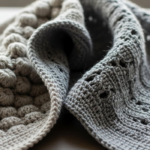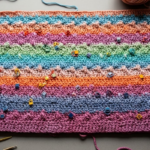
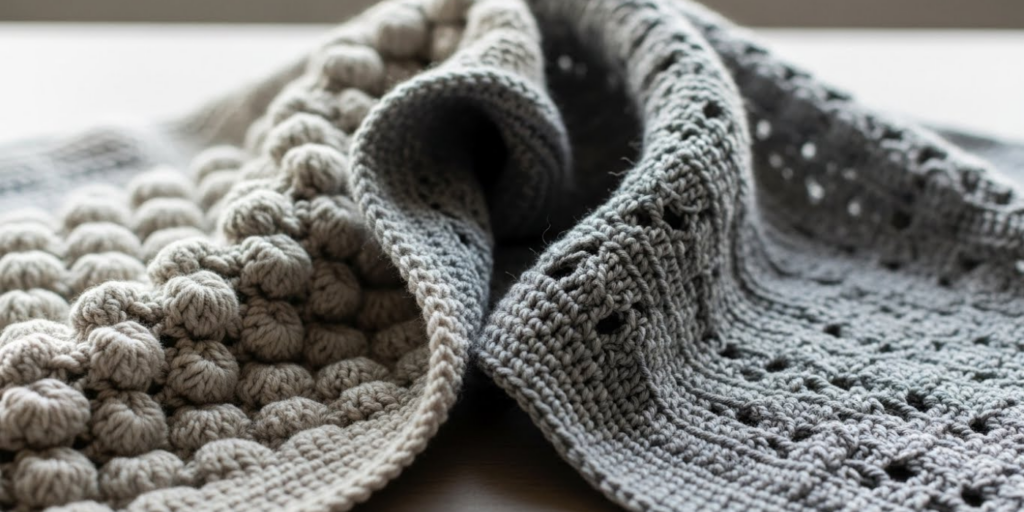
Have you ever finished a stunning scarf—only to flip it over and see a messy, uneven back? Or started a cozy blanket, only to realize one side looks polished while the other looks like a tangle of “oops”? If so, you’re not alone. Many crocheters assume that one side of their work will always be “the right side”—but what if both sides could be beautiful?
Enter reversible crochet stitches: clever stitch patterns designed to look nearly identical—or equally intentional—on both the front and back. Whether you’re making a lightweight scarf that drapes freely, a baby blanket that gets snuggled from all angles, or a market bag that shows off its texture inside and out, reversible stitches ensure your project looks thoughtful, professional, and finished—no matter how it’s turned.
In this guide, we’ll explore why reversible stitches matter, share five beginner-friendly patterns you can start today, explain how to identify reversible structures, and even tackle common mistakes. By the end, you’ll have the confidence to choose—and create—projects that are just as lovely on the “wrong” side as they are on the “right.” Because in reversible crochet, there is no wrong side.
Why Reversible Stitches Matter (Beyond Just Aesthetics)
At first glance, reversible crochet might seem like a fancy technique reserved for advanced makers. But in reality, it’s a practical superpower for everyday crafting.
Think about it: when you wear a scarf, it twists and flips. A baby rolls around on a blanket. A market tote gets turned inside out while you’re digging for your keys. In all these cases, both sides are visible—so why let one side look like an afterthought?
Reversible stitches solve this by creating symmetry, balance, and consistency in texture and structure. They also eliminate the need to “hide” the back or add linings—saving time, yarn, and bulk.
Moreover, many reversible patterns are denser and more stable than lacy, openwork designs—making them ideal for items that need structure (like dishcloths, bags, or ear warmers). And because they often use simple combinations of single and double crochet, they’re surprisingly accessible—even for confident beginners.
So whether you’re driven by function, form, or both, reversible crochet is a skill worth adding to your toolkit.
5 Beginner-Friendly Reversible Stitches to Try Today
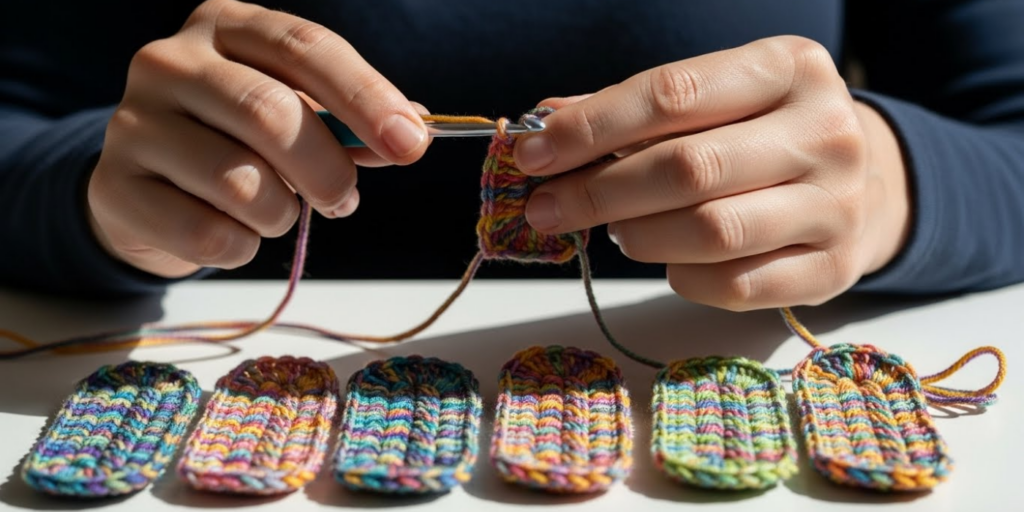
You don’t need complex charts or dozens of special stitches to create reversible fabric. Often, repetition, symmetry, and mindful placement are all it takes. Here are five of the most reliable—and gorgeous—reversible stitches you can start tonight.
1. Single Crochet (in the Back Loop Only)
Yes, even basic single crochet can be reversible! When worked in the back loop only (BLO), it creates subtle horizontal ridges on both sides. The front shows clean “V” shapes, while the back reveals neat, parallel lines—almost like ribbing.
Perfect for: cuffs, headbands, and minimalist scarves.
Tip: Use a smooth, plied yarn (like cotton or merino) to highlight the texture.
2. Half Double Crochet (HDC) Reversible Rib
Work HDC in the third loop (the horizontal bar on the back of the stitch) for a deeply textured rib that looks nearly identical on both sides. The result? A squishy, stretchy fabric with soft ridges that run vertically.
Why it works: The third loop anchors the stitch in a way that mirrors itself on the reverse.
Perfect for: infinity scarves, hat brims, and cozy cowls.
3. The Linen Stitch (Moss Stitch for Crochet)
Alternate single crochet and chain stitches across the row, working each single crochet into the chain space from the row below. The result is a woven, tweed-like fabric that’s completely reversible, with a subtle grid pattern on both sides.
Bonus: It’s dense, durable, and drapes beautifully.
Perfect for: lightweight throws, shawls, and market bags.
4. Reversible Shell Stitch
Unlike traditional shell stitches (which have a bumpy front and messy back), a reversible shell alternates clusters of double crochet in a mirrored pattern. For example, one row might have shells pointing up, and the next has them pointing down—creating balance.
Look for patterns that specify “reversible shell” or “double-sided shell.”
Perfect for: baby blankets, afghans, and decorative pillows.
5. The Waffle Stitch (Modified for Reversibility)
While classic waffle stitch isn’t fully reversible, a modified version using front post and back post double crochet in alternating rows can create a 3D grid that reads clearly on both sides. It takes a bit more practice, but the payoff is huge: a thick, squishy, fully reversible textured fabric.
Tip: Use a lighter-weight yarn to keep the texture defined without bulk.
Perfect for: washcloths, spa sets, and winter scarves.
How to Spot (or Design) a Reversible Stitch Pattern
Not all stitch patterns are reversible—but you can learn to spot the signs. Ask yourself:
- Is the stitch structure symmetrical? Reversible patterns often repeat the same elements in mirrored rows (e.g., Row 1 = front post, Row 2 = back post).
- Does it avoid directional slant? Stitches that lean heavily to one side (like some treble-based patterns) rarely reverse well.
- Are chains and gaps evenly distributed? In reversible lace, open spaces should align on both sides—not just float randomly on the back.
If you’re designing your own pattern, work a small swatch and flip it frequently. If both sides tell the same visual story, you’re on the right track.
Also, remember: “reversible” doesn’t always mean “identical.” Sometimes it means both sides are intentional and attractive, even if slightly different—like a fabric with subtle ridges on one side and clean lines on the other. That still counts!
Common Mistakes (And How to Avoid Them)
Even with the best intentions, reversible projects can go sideways. Here’s how to stay on track:
1. Ignoring gauge
Because reversible fabrics are often denser, they can behave differently than openwork. Always swatch—and measure your gauge on both sides to ensure consistency.
2. Using fuzzy or novelty yarns
Mohair, eyelash, or chenille yarns obscure stitch definition. For reversible work, choose smooth, plied yarns with clear stitch definition (cotton, linen, bamboo, or smooth acrylic blends).
3. Forgetting turning chains count
In reversible patterns that require turning, your turning chain often doesn’t count as a stitch—or it does, depending on the pattern. Read instructions carefully to avoid wonky edges.
4. Working too tightly
Dense stitches can lead to stiff fabric if your tension is too tight. Loosen your grip slightly, and let the stitch pattern create the structure—not your hands.
When to Choose Reversible Crochet (Project Ideas That Shine)
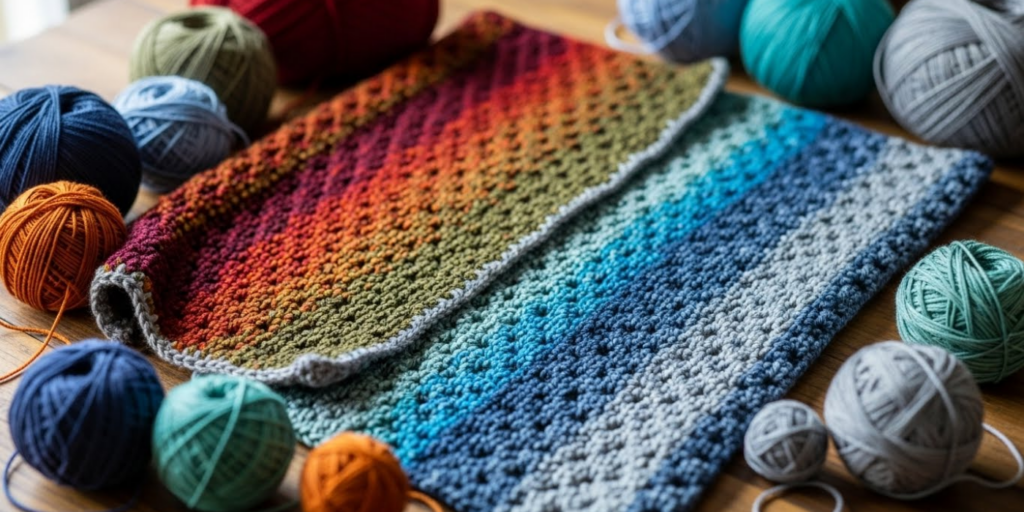
Not every project needs to be reversible—but these are perfect candidates:
- Scarves & Cowls: They twist, drape, and flip constantly.
- Baby Blankets: Babies roll, and parents appreciate a clean look on both sides.
- Market Totes & Bags: The inside is just as visible as the outside.
- Dishcloths & Spa Sets: Function meets form—and both sides get used!
- Double-Sided Blankets (like loveys or security blankets): One side can be soft plush, the other smooth crochet—but if both are crochet, make them match!
Even amigurumi can benefit: try using reversible stitches for ears, wings, or tails that might show both sides.
The Bigger Picture: Why Reversibility Reflects Thoughtful Crafting
Choosing a reversible stitch isn’t just about looks—it’s a mindset. It says: “I care about how this feels, functions, and appears from every angle.” In a world of fast fashion and disposable goods, reversible crochet is a quiet act of intentionality, sustainability, and pride in craftsmanship.
It also invites you to slow down. To check your work from both sides. To consider how your creation will live in the real world—not just on a flat lay.
And there’s something deeply satisfying about handing someone a scarf and saying, “It looks great no matter how you wear it”—knowing you built that versatility right into the stitches.
Conclusion: Stitch with Confidence—Front, Back, and Everything In Between
Reversible crochet stitches aren’t just a technique—they’re a gateway to more polished, functional, and joyful projects. Whether you stick with the simplicity of back-loop single crochet or dive into the texture of a reversible waffle stitch, you’re giving your work a level of care that others will notice (even if they can’t quite put their finger on why it looks so good!).
So next time you pick up your hook, ask yourself: “Will both sides of this be seen?” If the answer is yes, reach for a reversible stitch. Your future self—and anyone who uses your handmade gift—will thank you.
Now it’s your turn! Which reversible stitch are you excited to try? Have you made a project that looks amazing on both sides? Share your photos, tips, or questions in the comments below! And if you found this guide helpful, share it with a fellow crocheter who’s ready to level up their stitch game. Happy (and double-sided) stitching! 🪡✨

Luiza Santos is a passionate crochet and knitting enthusiast who finds joy in transforming simple yarn into meaningful, handmade creations. With a deep love for texture, color, and craftsmanship, she believes every stitch carries a story. Luiza brings warmth, creativity, and years of hands-on experience to everything she makes, inspiring others to discover the beauty of fiber arts.