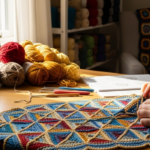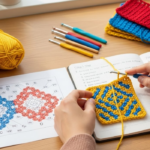
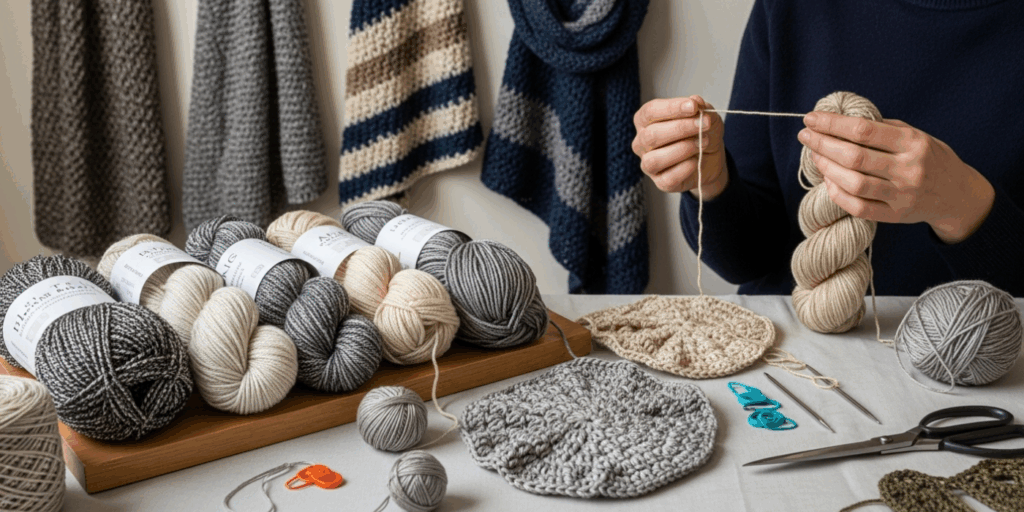
Have you ever run your fingers over a knitted scarf and felt like you were touching clouds, stars, or even tiny fireworks? That’s not magic—it’s specialty yarn.
If you’ve ever stared at a hand-knit sweater in a boutique, mesmerized by its texture, shimmer, or unexpected bumps and loops, you’ve encountered specialty yarn. These aren’t your everyday acrylic or wool skeins. They’re the rebels of the fiber world—unpredictable, bold, and full of personality. And while they might seem intimidating at first, learning how to work with them can transform your projects from ordinary to extraordinary.
In this guide, we’ll explore what specialty yarns really are, why they’re making a comeback in both artisanal and mainstream crafting, and—most importantly—how to use them without frustration or disaster. Whether you’re a seasoned knitter, a curious crocheter, or someone who just loves the feel of handmade things, this isn’t just about yarn. It’s about creativity, confidence, and rediscovering the joy of making something truly unique.
We’ll break down the most popular types of specialty yarns, share real-life examples of how crafters are using them, offer practical tips to avoid common mistakes, and even show you how to pair them with simpler yarns for stunning results. By the end, you won’t just know what specialty yarns are—you’ll be excited to pick up your needles and give them a try.
What Exactly Are Specialty Yarns? (And Why They’re Not Just “Fancy” Yarn)
Let’s start by clearing up a common misconception: specialty yarns aren’t just “expensive” or “decorative.” They’re defined by their construction—not their price tag.
While regular yarns (like worsted weight wool or cotton) are spun uniformly for consistent texture and drape, specialty yarns are intentionally irregular. They might include:
- Slubs (thick, uneven bumps in the fiber)
- Bouclé (looped fibers that create a bumpy, textured surface)
- Metallic threads (tiny strands of foil or glitter woven in)
- Eyelash or furry yarns (long, soft fibers that look like fur or grass)
- Chenille (soft, velvety strands with a fuzzy halo)
- Self-striping or variegated yarns (color changes built into the strand)
- Novelty yarns (anything that breaks the mold—think ribbon yarn, rope yarn, or even yarn with embedded beads)
These yarns are often hand-dyed, small-batch produced, or made from unconventional materials like silk, bamboo, or recycled plastics. And here’s the kicker: they’re not just for show. Many specialty yarns offer unique benefits—like added warmth (bouclé traps air), lightweight drape (chenille), or even moisture-wicking properties (bamboo blends).
Why does this matter now? Because we’re living in a world of mass production. Fast fashion, disposable decor, and digital overload have made us crave authenticity. Specialty yarns—often made by small artisans, dyed in natural pigments, and spun with care—offer a tactile connection to craftsmanship we don’t get from a factory line.
Think of it like this: You can buy a perfectly smooth, identical mug from a big-box store… or you can hold a handmade ceramic cup, still warm from the kiln, with tiny imperfections that tell a story. Specialty yarns are the ceramic cups of the fiber world.
The Top 4 Specialty Yarns You Should Know (and How to Tame Them)
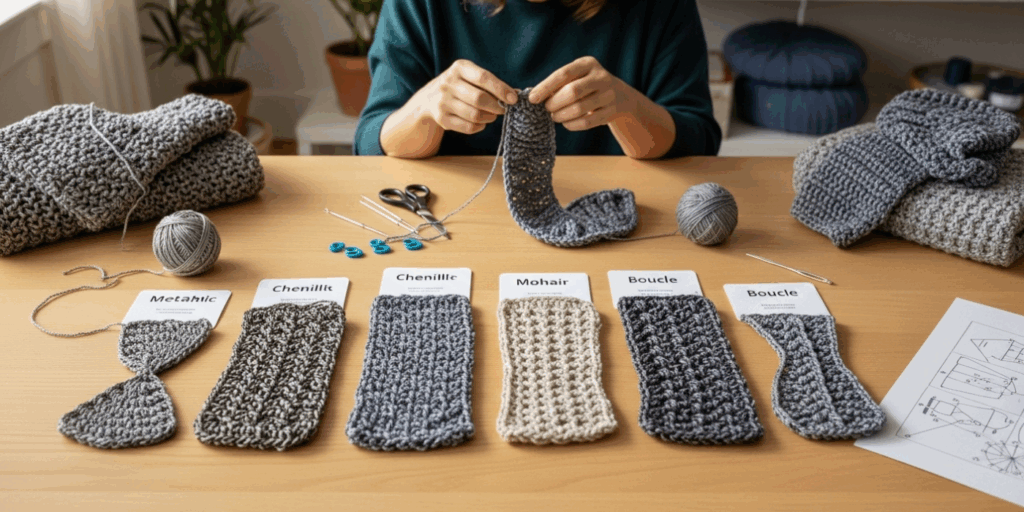
Not all specialty yarns are created equal—and some are trickier than others. Here are four of the most popular (and misunderstood) types, plus how to work with them like a pro.
1. Bouclé: The Textured Trendsetter
Bouclé yarn looks like a miniature version of a cozy, curly rug. Those little loops give it incredible dimension—but they also make it easy to snag or split stitches.
How to use it well:
- Use larger needles or hooks (US 9–11 / 5.5–8 mm). This gives the loops room to breathe.
- Knit or crochet loosely. Tight tension will flatten the texture and make your project stiff.
- Stick to simple stitch patterns. Stockinette, garter, or single crochet let the yarn shine without competing.
- Best for: Scarves, blankets, and oversized sweaters where texture is the star.
Pro tip: Pair bouclé with a smooth, solid-color yarn in the same weight for a subtle contrast. Try holding one strand of bouclé with one strand of merino wool—it adds warmth without overwhelming the eye.
2. Eyelash / Fur Yarn: Soft, Fluffy, and Slightly Chaotic
Eyelash yarn looks like it was spun from a cloud of cat fur. It’s dreamy, soft, and… incredibly hard to see your stitches.
How to use it well:
- Use it as an accent, not your main yarn. Try a single row of eyelash between two rows of cotton for a whimsical border.
- Knit with a contrasting color underneath. This helps you count rows and avoid mistakes.
- Avoid intricate patterns. Cables, lace, or colorwork? Forget it. Stick to garter stitch or seed stitch.
- Best for: Headbands, pet accessories, or decorative pillows.
Real-life example: A crafter in Portland used eyelash yarn to trim the edges of her daughter’s winter hat. The result? A hat that looked like it was woven from snowflakes—and kept her little one toasty.
3. Metallic Yarn: Sparkle Without the Silliness
Metallic yarns add shimmer, but they can also feel scratchy or break easily. The key? Don’t use them alone.
How to use it well:
- Hold it together with a soft base yarn (like cotton or alpaca). This improves drape and durability.
- Use it sparingly. A single row every 10 rows creates a subtle glimmer—not a disco ball.
- Avoid high-friction projects. Don’t make socks or bags with metallic yarn—it’ll pill and fray.
- Best for: Evening shawls, holiday ornaments, or festive table runners.
Bonus idea: Add metallic thread to a plain white blanket for a starry-night effect. It catches the light beautifully under a lamp.
4. Self-Striping Yarn: Magic in a Skein
This is the superstar of specialty yarns. One skein, and your project automatically changes color—no intarsia, no weaving in ends.
How to use it well:
- Match the stripe length to your project. Short stripes work for socks; long ones are perfect for sweaters.
- Avoid complex stitch patterns. Simple stitches (like stockinette) let the colors do the talking.
- Buy enough yarn from the same dye lot. Color changes can vary between batches.
- Best for: Baby blankets, cowls, and quick gifts.
Fun fact: A study by the Craft Yarn Council found that 68% of beginner knitters who used self-striping yarn completed their first project within a month—compared to 32% using solid yarns. Why? Because the color changes feel like rewards.
How to Avoid the “Yarn Disaster” (And Still Look Like a Pro)
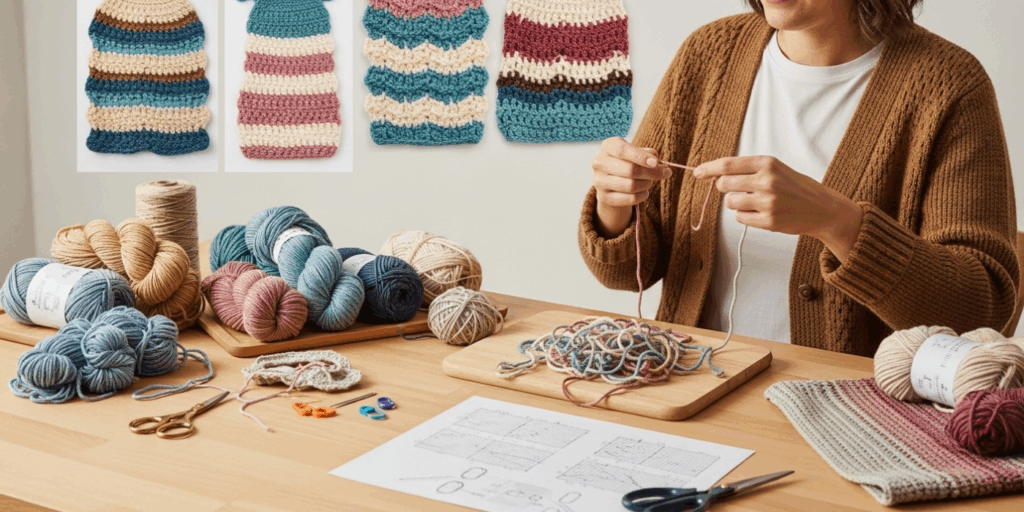
Let’s be honest: specialty yarns can be frustrating. You buy a beautiful skein, start knitting, and suddenly your stitches are uneven, your project looks lumpy, or worse—you can’t even tell where you are in the pattern.
Here are five foolproof tips to avoid common pitfalls:
- Swatch, Swatch, Swatch
Don’t skip this. Specialty yarns behave differently. Knit a 4×4 inch square. See how it drapes. Does it stretch? Does it pill? This tells you everything you need to know. - Use the Right Tools
Metal needles slide better through fuzzy or slippery yarns. Bamboo needles grip better for slubby or textured yarns. Choose wisely. - Work in Good Light
If you can’t see your stitches clearly, you’ll make mistakes. Natural daylight or a bright LED lamp is essential. - Embrace the “Flaws”
Specialty yarns aren’t meant to be perfect. That uneven bump? That’s character. That slightly wonky stripe? It’s handmade. Let go of perfection—it’s the enemy of joy. - Start Small
Don’t jump into a sweater with eyelash yarn. Start with a coaster, a headband, or a keychain. Build confidence before tackling big projects.
“I used to think specialty yarns were too hard,” says Maria, a teacher from Ohio. “Then I made a scarf with bouclé and metallic thread for my mom’s birthday. She cried when she opened it. It wasn’t perfect—but it was her. That’s when I got it.”
Mixing Specialty Yarns with Basics: The Secret to Balanced Beauty
Here’s the game-changer most beginners don’t know: you don’t have to use specialty yarns alone.
In fact, the most stunning projects combine specialty yarns with simple, solid yarns. Think of it like seasoning a dish. A pinch of truffle oil elevates mashed potatoes. A sprinkle of metallic thread transforms a plain beanie.
Try these combinations:
- Bouclé + Cotton: Soft texture + structure = perfect for a cozy throw.
- Metallic + Wool: Glamour + warmth = ideal for winter accessories.
- Self-striping + Solid Alpaca: Color magic + softness = dreamy baby blankets.
- Eyelash + Silk: Fluffy + elegant = magical shawl for special occasions.
You can even hold two strands together—one specialty, one basic—throughout your entire project. This technique, called “doubled yarn,” gives you the best of both worlds: visual interest without sacrificing drape or durability.
Example: Knitter Lisa from Seattle used one strand of self-striping cotton and one strand of smooth merino wool to make a gradient cardigan. The result? A garment that looked expensive, felt luxurious, and was surprisingly easy to knit. She sold it at a local market—and made back her yarn costs in two days.
When to Skip Specialty Yarns (And What to Use Instead)
Specialty yarns aren’t for every project. And that’s okay.
Avoid them for:
- Socks or gloves (too bulky, too fragile)
- Baby items that need frequent washing (fuzzy yarns trap lint and are hard to clean)
- Items that need structure (like structured bags or hats with brims)
- Beginners learning to knit (stick with smooth worsted weight until you’re comfortable with tension)
Instead, try:
- For socks: Merino wool or nylon-blend yarns.
- For baby blankets: Organic cotton or bamboo blends.
- For structured bags: Linen or cotton tape yarn.
Sometimes, the most beautiful thing you can do is know when not to use something. It’s not about having every yarn in your stash—it’s about using the right tool for the right job.
The Real Magic: Why Specialty Yarns Reconnect Us to Craft
Beyond texture, color, and technique, specialty yarns do something deeper.
They invite us to slow down.
In a world where we scroll, swipe, and rush from task to task, knitting with a slubby bouclé or watching self-striping colors bloom stitch by stitch becomes a meditation. You can’t rush it. You have to feel it. You have to pay attention.
I once met a man in his 70s at a craft fair. He’d never knitted before his wife passed away. “She used to make blankets with all kinds of weird yarns,” he told me. “I didn’t understand them then. Now, I do. Every bump, every sparkle—it’s like she’s still here.”
That’s the power of specialty yarns. They’re not just fibers. They’re memories. They’re stories. They’re love made visible.
When you choose a yarn with personality, you’re choosing to create something that matters.
Ready to Give It a Try? Start Here.
You don’t need to buy a whole closet of specialty yarns. Start small.
Your First Specialty Yarn Challenge:
- Pick one skein of self-striping or bouclé yarn.
- Use size US 8 (5 mm) needles or a 5.5 mm hook.
- Knit or crochet a 6-inch square in stockinette or single crochet.
- Don’t worry about perfection. Just enjoy the feel of it.
- Take a photo. Post it. Tag someone who loves handmade things.
That’s it. No pressure. No rules.
If you love it, you’ll want more. If you don’t? You’ve still learned something valuable—and you’ve made something beautiful, even if it’s just a square.
Specialty yarns aren’t about being fancy. They’re about being alive. They remind us that creativity doesn’t have to be perfect to be powerful.
So go ahead. Touch that fuzzy strand. Feel the metallic glint. Let the slubs surprise you.
Your next project isn’t just a scarf, a hat, or a blanket.
It’s a moment. A memory. A little bit of magic, spun by your own hands.
What’s your favorite specialty yarn—and what have you made with it?
Share your story in the comments below. Maybe your project will inspire someone else to pick up their needles and try something new. And if you loved this guide, share it with a friend who needs a little more color, texture, and joy in their life.
Because the world doesn’t need more mass-produced things.
It needs more handmade heart.

Luiza Santos is a passionate crochet and knitting enthusiast who finds joy in transforming simple yarn into meaningful, handmade creations. With a deep love for texture, color, and craftsmanship, she believes every stitch carries a story. Luiza brings warmth, creativity, and years of hands-on experience to everything she makes, inspiring others to discover the beauty of fiber arts.