You’ve just finished a beautiful scarf—only to discover it pills after one wash, stretches beyond recognition, or feels like sandpaper against your skin. Sound familiar? You’re not alone. Many crafters pour hours of love into handmade projects, only to be let down by yarn that looked lovely on the shelf but performs poorly in real life.
The truth is: not all yarn is created equal. Two skeins labeled “worsted weight” can behave like completely different materials—one soft and resilient, the other brittle and rough. That’s why learning to spot quality yarn is just as important as mastering your stitches.
In this guide, we’ll walk you through the key traits of superior fibers, teach you how to read (and question) yarn labels, compare natural vs. synthetic options, and share practical tips for testing yarn before you buy. Whether you’re shopping at a big-box store, a local yarn shop, or an online marketplace, these insights will help you choose yarn that feels great, lasts longer, and makes your projects truly shine.
Because your time, creativity, and care deserve yarn that’s worthy of them.
Why Yarn Quality Matters More Than You Think
It’s easy to assume that “yarn is yarn”—but the fiber you choose directly impacts your project’s look, feel, durability, and even your crafting experience.
Poor-quality yarn can:
- Split easily while crocheting (slowing you down and fraying your patience),
- Shed or pill quickly (making your garment look old after a few wears),
- Lose shape with washing (leaving you with a saggy, misshapen item),
- Irritate sensitive skin (especially important for babies or face-wear items).
On the other hand, high-quality yarn:
- Glides smoothly on your hook,
- Holds stitch definition beautifully,
- Maintains softness and structure over time,
- Makes the finished piece something you’ll want to wear or use every day.
Think of it like cooking: you wouldn’t bake a gourmet cake with stale flour and imitation vanilla. Likewise, your handmade creations deserve ingredients that honor your effort.
Natural vs. Synthetic: Understanding the Core Differences
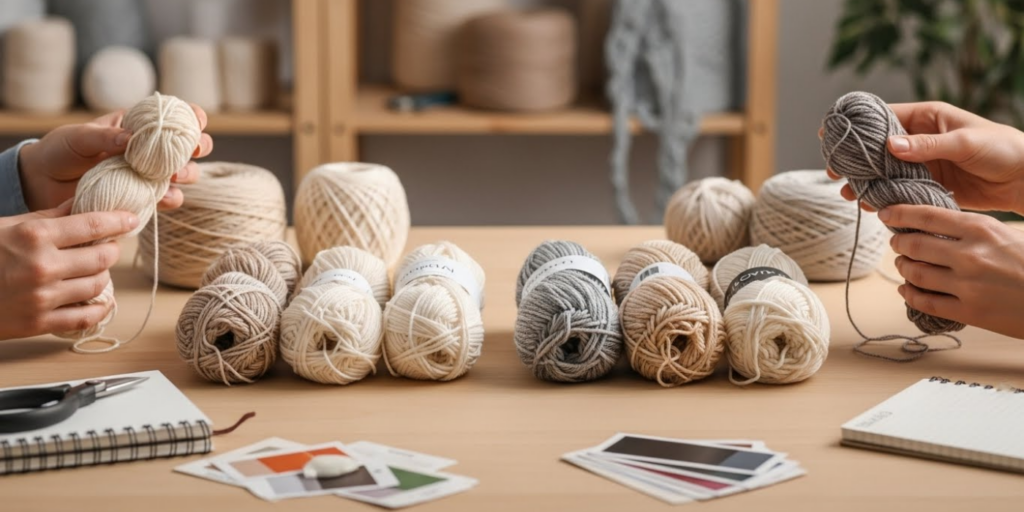
Before diving into quality markers, it helps to understand the two main fiber families: natural and synthetic—and where blends fit in.
Natural Fibers (Wool, Cotton, Alpaca, Silk, Linen, etc.)
- Pros: Breathable, biodegradable, often soft and luxurious, with excellent drape and warmth (depending on type).
- Cons: Can be more expensive, may felt if washed improperly (especially wool), and sometimes less durable for high-abrasion uses (like dishcloths).
- Best for: Garments, heirloom blankets, shawls, and items where comfort and breathability matter.
Synthetic Fibers (Acrylic, Polyester, Nylon, etc.)
- Pros: Affordable, machine-washable, colorfast, and often hypoallergenic.
- Cons: Can feel plasticky, trap heat (less breathable), and pill easily if low-grade. Cheap acrylic may have a “chemical” smell.
- Best for: Budget projects, kids’ items, charity donations, or items needing frequent washing.
Blends (e.g., Wool-Acrylic, Cotton-Bamboo)
- Pros: Combine the best of both worlds—softness + durability, warmth + washability.
- Cons: May not fully deliver on either promise if poorly balanced.
- Tip: Look for blends with at least 50% natural fiber if you want breathability and feel.
Key insight: High-quality synthetics do exist (like premium acrylics from Lion Brand or WeCrochet), just as low-quality natural yarns can feel rough or inconsistent. Fiber type isn’t everything—processing matters just as much.
5 Signs of High-Quality Yarn (What to Look—and Feel—for)
You don’t need a lab to assess yarn quality. Use your senses and these five practical checks:
1. Smooth, Even Texture
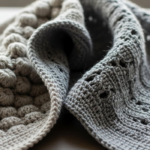
Run your fingers along the strand. Quality yarn feels consistent—no thin spots, thick lumps, or rough patches. It shouldn’t feel “hairy” unless it’s meant to (like mohair). Split-prone yarn often feels dry or loosely spun.
2. Good Twist and Ply
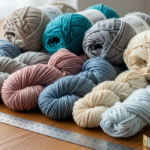
Examine the yarn closely. It should have a tight, balanced twist that holds the plies together firmly. Two-ply or three-ply yarns are generally stronger than single-ply. If you can easily pull the plies apart, it may not hold up over time.
3. Vibrant, Even Color
Dye should be uniform throughout, with no streaks or fading. Natural fibers often take dye more richly, while cheap synthetics may look “flat” or have a slightly dull finish.
4. Softness Without Slipperiness
It should feel pleasant against your skin—not scratchy, stiff, or slimy. High-quality acrylic mimics wool’s softness without the “slip” of cheap versions. Do the “neck test”: drape it over your neck or wrist—if it irritates, it’s not gift- or garment-worthy.
5. Weight and Density
Quality yarn often feels substantial for its weight category. A worsted-weight skein that seems feather-light might be loosely spun or full of air—leading to poor stitch definition. Compare it to a trusted brand if possible.
Pro tip: Unwind a small section and crochet a quick swatch before committing to a large project. See how it feels on your hook and how the stitches look.
Decoding Yarn Labels: What the Fine Print Really Means
Yarn labels are full of clues—if you know how to read them.
- Fiber Content: Always check this first. “Acrylic” alone tells you little; “Premium Anti-Pilling Acrylic” suggests better processing.
- Weight Category (0–7): Helps match patterns, but yardage per gram is more telling. Higher yardage often means finer, less dense yarn.
- Dye Lot Number: Crucial! Even slight dye variations can ruin a large project. Always buy enough skeins from the same dye lot.
- Care Instructions: Machine-washable wool (like superwash) is convenient but may lack the resilience of non-superwash. Hand-wash-only labels often signal luxury fibers.
- Certifications: Look for OEKO-TEX® (free from harmful substances), GOTS (organic cotton), or Responsible Wool Standard (RWS) for ethical sourcing.
Watch out for vague terms like “soft,” “luxury,” or “premium” without fiber details. These are marketing—not guarantees.
Common Pitfalls (And How to Avoid Them)
Even experienced crafters get fooled. Here’s what to watch for:
1. “Bargain” Yarn at Big-Box Stores
Some budget yarns are surprisingly good (like Lion Brand’s Basic Stitch), but others use recycled or low-grade acrylic that pills fast. Read reviews or test a skein before buying 10.
2. Misleading “Natural” Claims
A label saying “bamboo” might actually be rayon/viscose made from bamboo pulp—a semi-synthetic that’s heavily processed. Real bamboo yarn is rare and expensive.
3. Ignoring Ply Structure
Single-ply yarns (like Malabrigo Worsted) are stunning but can felt or stretch. Not ideal for socks or bags—great for shawls.
4. Overlooking Yardage
Two skeins may cost the same, but one gives you 200 yards, the other 300. Calculate price per yard to compare true value.
Where to Buy Quality Yarn (Without Breaking the Bank)
You don’t need to spend $30 per skein to get good fiber. Try these strategies:
- Local Yarn Shops (LYS): Staff can let you touch and compare yarns. Many offer samples or leftover “destash” bins.
- Online Retailers with Clear Specs: WeCrochet, Jimmy Beans Wool, and LoveCrafts provide detailed fiber info, photos, and customer reviews.
- Thrift Stores & Estate Sales: Vintage wool or cotton yarns are often superior to modern budget options.
- Yarn Subscriptions or Clubs: Try curated boxes to discover new high-quality brands risk-free.
Budget tip: Use premium yarn for high-visibility or high-wear items (like sweater fronts), and reliable mid-range yarn for less critical parts (like sleeves).
The Long-Term Value of Investing in Better Yarn
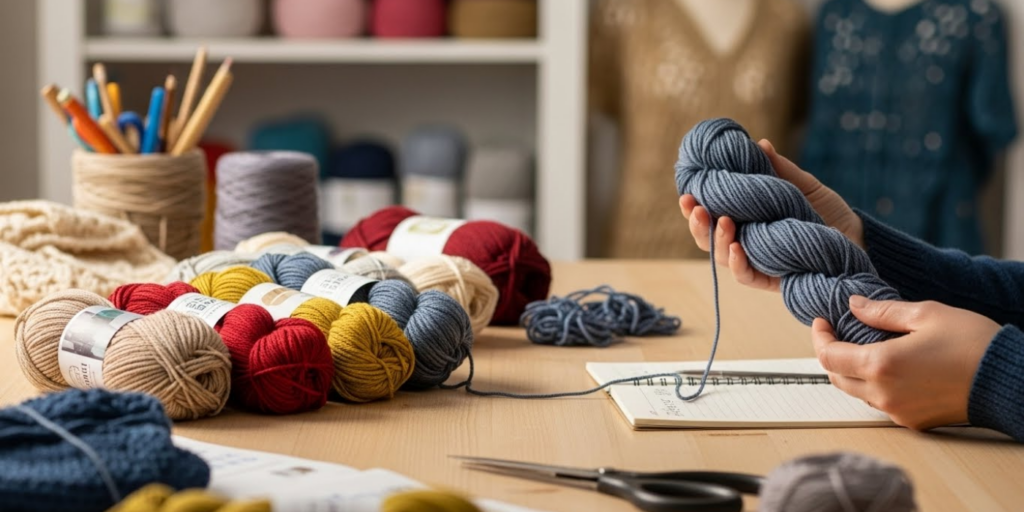
Yes, quality yarn often costs more upfront. But consider this:
- A $25 skein that lasts 10 years is cheaper per wear than a $5 skein that pills and is donated after 3 months.
- Beautiful, durable handmade gifts strengthen your reputation as a thoughtful maker.
- Working with pleasant yarn makes crafting more joyful—and joy is priceless.
As the saying goes: “Buy once, cry once. Buy cheap, cry often.” Your future self—and your handmade heirlooms—will thank you.
Conclusion: Trust Your Hands, Not Just the Label
Choosing quality yarn isn’t about snobbery—it’s about respecting your time, your craft, and the people who’ll use your creations. By learning to read fibers like a pro, you’ll avoid disappointment and create pieces that age gracefully, feel wonderful, and bring lasting joy.
So next time you’re yarn shopping, slow down. Touch it. Smell it. Unwind a bit. Crochet a swatch if you can. Let your senses guide you as much as the label.
Your hook deserves great yarn. And your projects? They deserve to be loved for years—not just admired for a day.
What’s the best yarn you’ve ever worked with? Did a fiber surprise you—good or bad? Share your experiences in the comments below! And if this guide helped you avoid a yarn faux pas, pass it along to a fellow crafter who’s ready to stitch with confidence. Happy (and discerning) crocheting! 🪡🧶

Luiza Santos is a passionate crochet and knitting enthusiast who finds joy in transforming simple yarn into meaningful, handmade creations. With a deep love for texture, color, and craftsmanship, she believes every stitch carries a story. Luiza brings warmth, creativity, and years of hands-on experience to everything she makes, inspiring others to discover the beauty of fiber arts.