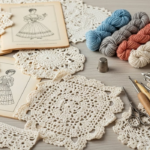
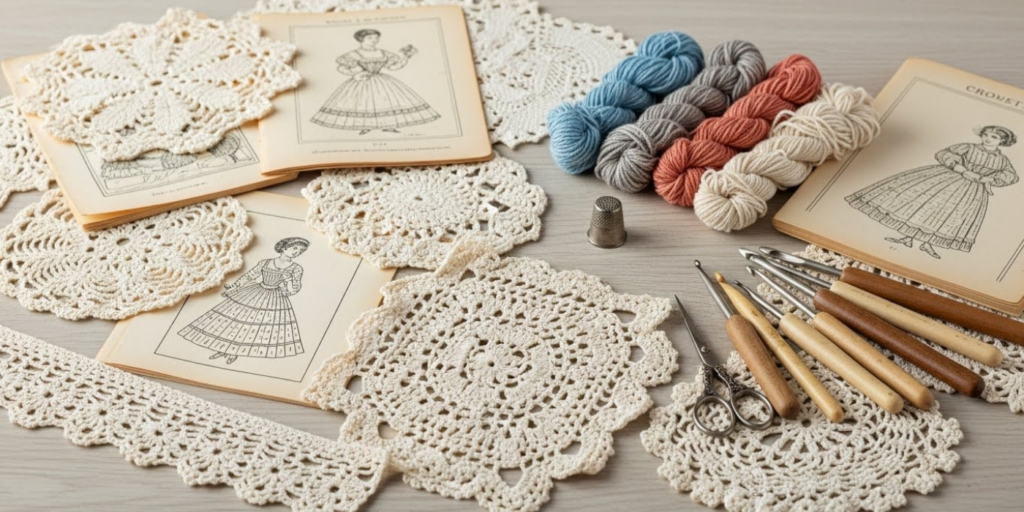
There’s something deeply poetic about holding a 1940s crochet doily—its intricate lace, the faint scent of lavender, the knowledge that someone’s hands once worked each stitch with care and intention. Vintage crochet patterns aren’t just relics of the past; they’re blueprints for beauty, resilience, and quiet creativity that still resonate today.
In a world of fast fashion and disposable décor, returning to vintage crochet is more than nostalgic—it’s a quiet rebellion. These timeless designs offer elegance, durability, and a connection to generations of makers who turned thread into heirlooms. And the best part? You don’t need to be a historian to enjoy them. With a little know-how, any modern crocheter can breathe new life into these classic patterns—adapting them for today’s tastes, yarns, and lifestyles.
In this guide, you’ll discover how to find, understand, and update vintage crochet patterns with confidence. We’ll walk through decoding old terminology, selecting modern yarn substitutes, adjusting gauges, and even transforming a 1950s bedspread into a contemporary wall hanging. Whether you’re drawn to Art Deco motifs, mid-century granny squares, or Victorian lace, you’ll learn how to honor the past while making it uniquely yours.
Why Vintage Crochet Patterns Still Matter Today
You might wonder: Why bother with patterns written before smartphones, when thousands of free modern designs are just a click away? The answer lies in craftsmanship, originality, and soul.
Vintage patterns—especially those from the 1920s to 1970s—were often created by skilled home designers or published in women’s magazines like Woman’s Day or The Delineator. They reflect a time when handmade meant heirloom, and every stitch was meant to last. Unlike many algorithm-driven modern patterns, vintage designs often feature:
- Intricate, hand-drawn charts with artistic detail
- Thoughtful shaping and symmetry
- Clever construction techniques (like seamless motifs or joined-as-you-go)
- A sense of occasion—items were made for real-life use and gifting
Real-life example: Maria, a crafter from Oregon, found her grandmother’s 1938 pattern booklet at a flea market. Using it, she recreated a lace table runner for her wedding—connecting her present joy to her family’s past.
Moreover, working with vintage patterns sharpens your skills. You’ll learn to read between the lines, adapt on the fly, and appreciate the logic behind each stitch—a valuable superpower in any crocheter’s toolkit.
Where to Find Authentic Vintage Crochet Patterns
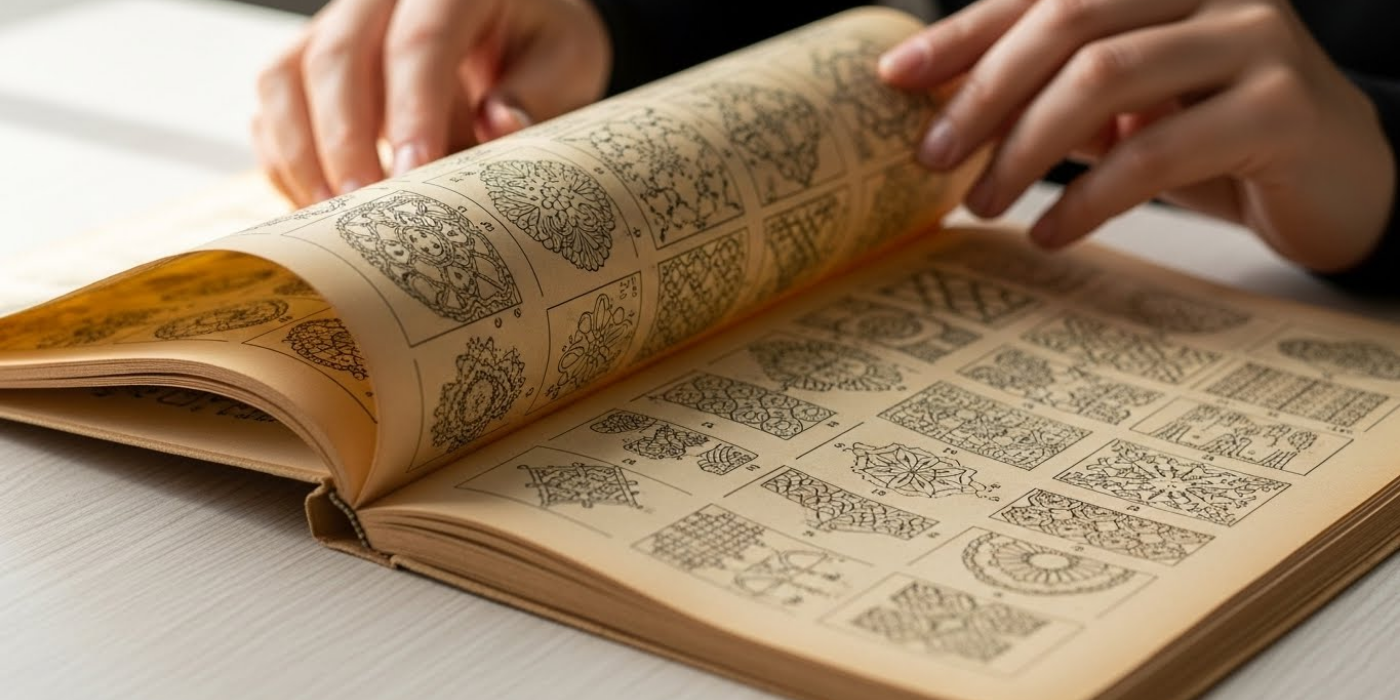
You don’t need to raid an attic to start your collection. Authentic vintage patterns are more accessible than ever—many preserved and digitized for modern makers.
📚 Free Digital Archives
- Vintage Purls (vintagepurls.com): Thousands of scanned patterns from the 1900s–1970s.
- Ravelry’s “Vintage” filter: Search by decade and skill level.
- Internet Archive (archive.org): Search “crochet pattern book 1940s” for full public-domain books.
- Etsy: While not free, many sellers offer PDF scans of original booklets for $2–$5.
🧺 Thrift Stores & Estate Sales
Keep an eye out for:
- Old crochet magazines (Needlecraft, Home Arts)
- Pamphlets from yarn companies like Bernat or Lily
- Handwritten notebooks (often the most personal and creative!)
Pro tip: Look for patterns labeled “Aunt Susie’s Crochet Corner” or similar—these were common syndicated columns in mid-century newspapers and often contain gems.
When downloading or purchasing, check the scan quality. Blurry text or missing charts can make patterns unusable. And always verify that the pattern is public domain (generally, anything published before 1.929 in the U.S. is free to use).
Decoding Vintage Crochet Terminology and Symbols
Here’s where many modern crocheters get stuck: the language has changed. A “double crochet” in a 1930s British pattern means something different than in a U.S. pattern today!
🌍 U.S. vs. U.K. Terms – The #1 Confusion
- U.S. single crochet (sc) = U.K. double crochet (dc)
- U.S. double crochet (dc) = U.K. treble crochet (tr)
How to tell which system a pattern uses:
- If it includes “treble crochet” but no “single crochet,” it’s likely U.K.
- If it mentions “skip sts” and “ch-2 sp,” it’s probably U.S.
- Check the publication origin: U.S. magazines = U.S. terms; British = U.K.
📖 Old-School Abbreviations to Know
- tr = treble (U.S.) or double (U.K.) → always confirm!
- dtr = double treble
- ps = popcorn stitch
- lp = loop (older term for “space”)
- **rep from *** = repeat from the asterisk
Solution: Keep a vintage crochet glossary bookmarked (many free ones online). Or better yet—annotate your pattern with modern equivalents in the margins.
Story: When Lisa tried a 1952 doily pattern, her work kept flaring out. She later realized the pattern used U.K. terms—and she’d been using U.S. stitches! A simple conversion fixed everything.
Adapting Vintage Patterns for Modern Yarns and Tastes
Most vintage patterns call for size 20–100 cotton thread and steel hooks—materials that can feel fiddly or outdated. But you don’t have to stick to them! With smart substitutions, you can recreate the design with modern comfort.
🧶 Yarn Substitution Tips
- For lace projects: Use modern size 10 or 20 mercerized cotton (like DMC or Aunt Lydia’s). It’s smoother and more consistent than vintage thread.
- For blankets or wearables: Scale up! Use worsted-weight yarn and a larger hook to turn a doily into a mandala wall hanging or a granny-square tote bag.
- Check drape: Hold your swatch against the original photo—if it looks stiff or floppy, adjust yarn weight or hook size.
📏 Gauge Adjustment Made Simple
Vintage patterns rarely include gauge—but you can reverse-engineer it:
- Make a 4” x 4” swatch using the suggested hook and yarn.
- Count stitches and rows over 2 inches.
- Compare to the finished size in the pattern.
- Adjust hook size up or down until your swatch matches the intended dimensions.
Creative hack: Love a 1940s collar pattern but want it in chunky yarn? Multiply all stitch counts by 3–4x and use a 6.5mm hook. The motif will scale beautifully!
🎨 Updating Aesthetics
- Simplify: Remove excessive edging if you prefer minimalist style.
- Color-block: Use modern variegated or tonal yarns instead of white thread.
- Repurpose: Turn a bedspread into pillow covers, or a lace yoke into a crop top.
Remember: The goal isn’t to replicate—it’s to reinterpret with respect.
Common Challenges—and How to Overcome Them
Working with vintage patterns comes with unique hurdles. Here’s how to tackle them:
❌ Missing or Unclear Instructions
- Solution: Look for the same pattern on Ravelry—other makers often post notes, corrections, or video tutorials.
- Community help: Post a photo in r/vintagecrochet on Reddit—enthusiasts love solving these puzzles!
❌ Tiny Hooks and Thread Fatigue
- Solution: Use ergonomic steel hooks with comfort grips.
- Take breaks: Work in 20-minute sessions to avoid hand strain.
- Try magnifiers: Clip-on lamp magnifiers or reading glasses help with fine detail.
❌ Outdated Construction (e.g., Seams Everywhere)
- Modernize: Use join-as-you-go techniques or continuous rounds to reduce finishing work.
- Hybrid approach: Keep the vintage motif but assemble with modern methods.
Mindset shift: View gaps in instructions as creative invitations, not roadblocks. What would you do here?
Honoring the Past While Creating for Today
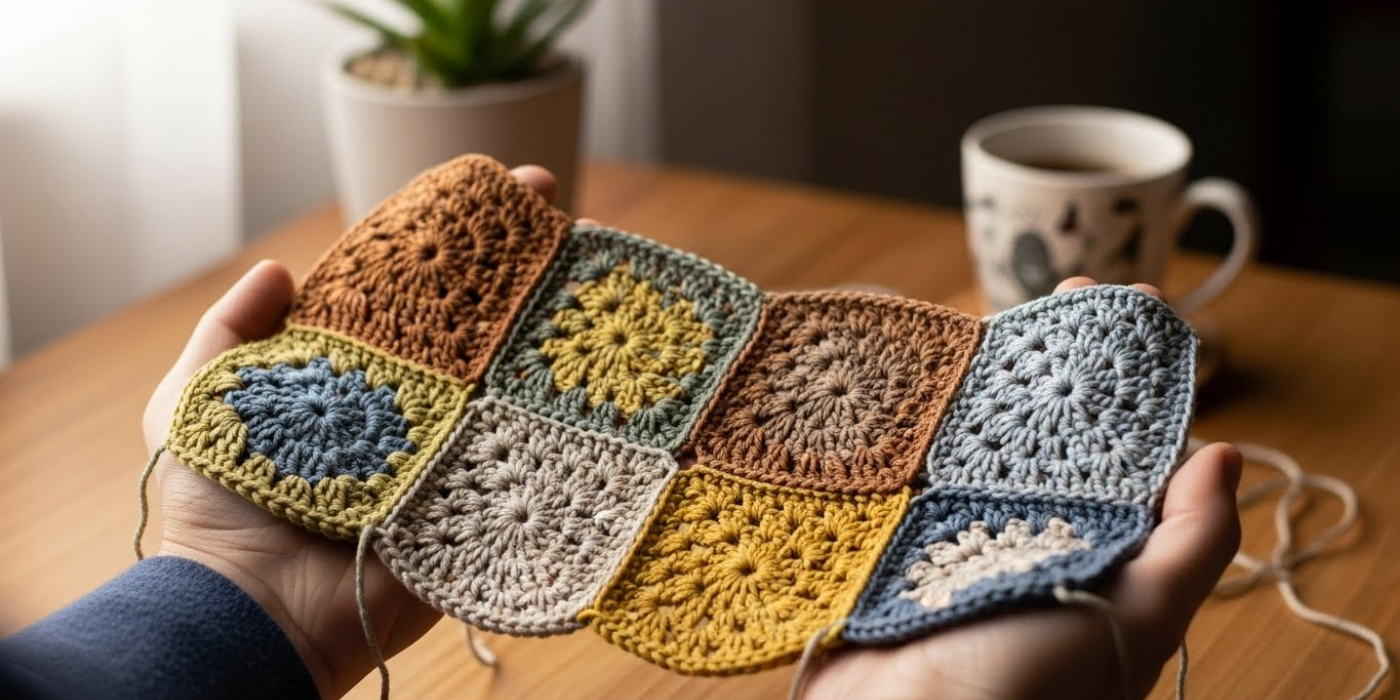
Reviving vintage crochet isn’t about living in the past—it’s about carrying forward beauty, skill, and intentionality into our present lives. These patterns remind us that handmade objects can be both functional and deeply meaningful.
Imagine gifting a baby blanket made from your great-aunt’s 1950s pattern—now reworked in soft organic cotton. Or draping your sofa with a throw inspired by a 1920s Art Deco chart. You’re not just making something pretty; you’re weaving history into your daily life.
And in doing so, you become part of a lineage of makers—women (and men!) who found joy, solace, and pride in the rhythm of hook and thread. That legacy is worth preserving.
Final Thoughts: Start Small, Stitch with Heart
You don’t need to tackle a 200-motif bedspread on your first try. Begin with a simple vintage coaster, a motif square, or a lace edging. Let yourself enjoy the slower pace, the tactile pleasure of fine thread, and the quiet satisfaction of following a design that’s stood the test of time.
As you grow more confident, you’ll find that vintage patterns don’t limit your creativity—they expand it. They teach patience, precision, and the joy of making something meant to last.
So dust off that old booklet, thread your steel hook, and let the past inspire your next stitch.
We’d love to hear from you! Have you ever worked from a vintage crochet pattern? What’s the oldest design you’ve recreated? Share your stories, photos, or favorite resources in the comments—your project might inspire someone else to reach back in time and stitch something beautiful today. 🧶✨

Luiza Santos is a passionate crochet and knitting enthusiast who finds joy in transforming simple yarn into meaningful, handmade creations. With a deep love for texture, color, and craftsmanship, she believes every stitch carries a story. Luiza brings warmth, creativity, and years of hands-on experience to everything she makes, inspiring others to discover the beauty of fiber arts.